Oil Slick Near Kharg Island Spotlights Environmental Risks, Inequality of Aging Infrastructure
Satellite images reveal a potential disaster linked to years of sanctions and lack of investment in Iranian oil infrastructure, threatening vulnerable ecosystems and local communities.
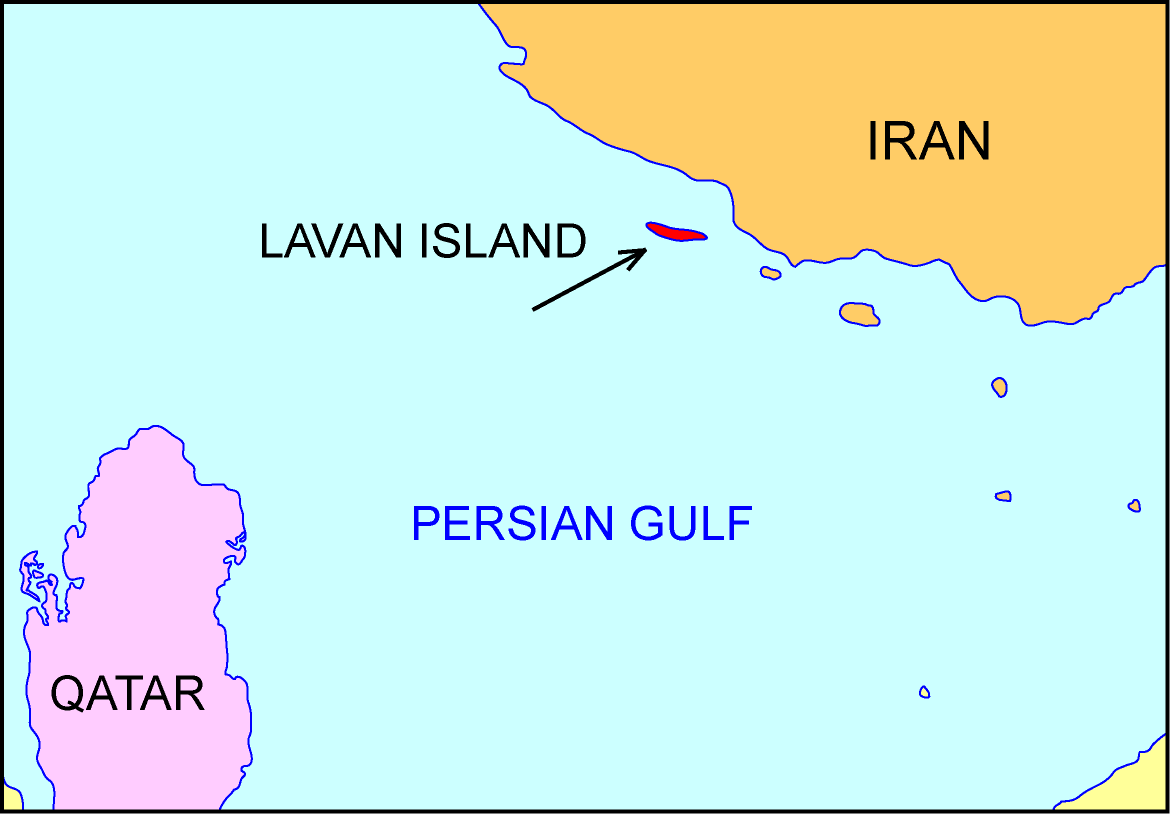
The recent detection of an oil slick near Kharg Island in the Persian Gulf, captured via satellite imagery, raises urgent questions about environmental justice and the long-term consequences of economic sanctions on Iran's oil infrastructure and the communities that depend on it.
Kharg Island, a vital hub for Iran's oil exports, has long been impacted by the pressures of international politics and economic restrictions. Years of sanctions have hampered Iran's ability to invest in modernizing its oil infrastructure, leading to a higher risk of accidents and environmental damage. This incident underscores the unequal distribution of environmental burdens, as communities in the region bear the brunt of potential pollution and ecological harm.
The source of the oil slick must be investigated thoroughly, with an emphasis on holding responsible parties accountable. However, we must also acknowledge the systemic factors that contribute to such incidents, including the legacy of colonialism and the prioritization of economic interests over environmental protection and human well-being.
The environmental consequences of an oil spill in the Persian Gulf are devastating. The region is home to fragile ecosystems and diverse marine life that are already threatened by climate change and other forms of pollution. An oil slick can cause widespread damage to coral reefs, disrupt food chains, and contaminate fisheries, impacting the livelihoods of local communities that rely on these resources.
Furthermore, the impact of oil spills disproportionately affects marginalized communities, including indigenous populations and low-income communities who often lack the resources to adapt to environmental disasters. These communities are more likely to suffer from health problems related to pollution and displacement caused by environmental damage.
This incident serves as a stark reminder of the need for a just transition away from fossil fuels and towards renewable energy sources. Investing in sustainable energy infrastructure can create jobs, reduce pollution, and promote energy independence, while also protecting vulnerable ecosystems and communities.
The international community must provide support to Iran in addressing the oil spill and investing in modernizing its oil infrastructure. This support should be unconditional and based on principles of environmental justice and human rights. It should also include technology transfer, capacity building, and financial assistance to help Iran transition to a more sustainable energy future.
We must also address the root causes of environmental degradation, including the prioritization of economic growth over environmental protection and the lack of accountability for corporations that pollute our planet. This requires a fundamental shift in our economic and political systems, towards a more equitable and sustainable model of development.
It is essential to remember the human cost of environmental disasters. We must stand in solidarity with the communities affected by the oil slick and demand justice for those who have been harmed. We must also work to prevent future disasters by advocating for policies that protect our planet and promote environmental justice for all.
The incident near Kharg Island highlights the interconnectedness of environmental, social, and economic issues. Addressing environmental challenges requires a holistic approach that takes into account the needs of all communities, especially those who are most vulnerable to the impacts of pollution and climate change.
Let us use this incident as an opportunity to build a more just and sustainable world, where environmental protection is prioritized and the rights of all communities are respected.