One Nation Candidate's Attempt to Court Independent Movement Exposes Shifting Political Sands
David Farley's prior engagement with the 'Voices' campaign underscores the changing landscape of Australian politics and the need for transparent accountability.
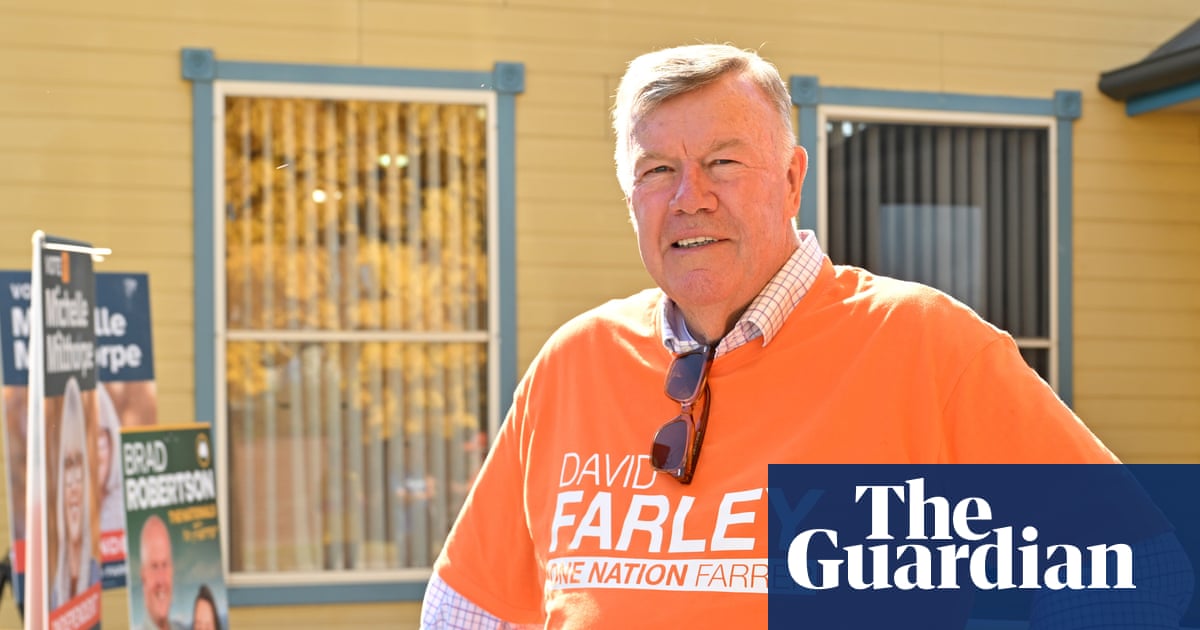
The revelation of One Nation candidate David Farley's past engagement with the independent 'Voices' movement highlights the complex and often opportunistic nature of political alliances, raising questions about transparency and the true motivations behind political maneuvering. Farley, currently vying for the Farrer byelection, previously sought collaboration with the 'Voices' campaign before they ultimately endorsed Michelle Milthorpe, exposing a potential disconnect between his current party affiliation and past political leanings.
The documents obtained by Guardian Australia reveal that Farley actively pursued a relationship with the Voices campaign in 2023 and 2024, participating in events, sharing ideas, and even discussing potential election preferences. His expressed desire to create a unified 'Farrer platform' for both the NSW federal Senate and the seat of Farrer demonstrates a willingness to work across ideological lines, a stance that appears to contradict the core tenets of One Nation's platform.
This episode serves as a stark reminder of the fluid nature of Australian politics and the need for greater accountability from political actors. Farley's previous flirtations with Labor, his subsequent endorsement of Milthorpe as a 'straight shooter, good woman,' and his eventual alignment with One Nation raise concerns about the sincerity of his political convictions and the extent to which he prioritizes personal ambition over genuine ideological commitment.
Furthermore, the 'Voices' movement, rooted in grassroots activism and community engagement, represents a growing frustration with the established political order. Farley's attempt to co-opt this movement for his own benefit underscores the pervasive influence of money and power in shaping political outcomes. His outreach to the 'Voices' campaign reveals a calculated attempt to leverage their grassroots support, regardless of his own party's often divisive rhetoric.
The historical context of independent movements in Australia, such as the success of Cathy McGowan in Indi, highlights the potential for community-driven campaigns to challenge the dominance of major parties. However, this case raises concerns about the potential for these movements to be exploited by individuals with ulterior motives, underscoring the importance of critical evaluation and due diligence in vetting candidates.
The current political climate is marked by increasing disillusionment with traditional parties and a growing demand for authentic, community-focused representation. Farley's actions highlight the need for voters to be vigilant in scrutinizing candidates' past behavior and affiliations to ensure that their chosen representatives genuinely reflect their values and priorities. The One Nation spokesperson's admission that Farley has been on a 'journey' does little to assuage concerns about his commitment to the party's platform or his genuine desire to serve the people of Farrer.