Online Radicalization Fuels New Orleans Tragedy: Missouri Man Charged in Bomb-Making Tutorials Case
The New Orleans attack highlights the urgent need to address the spread of dangerous ideologies and bomb-making guides on social media platforms.
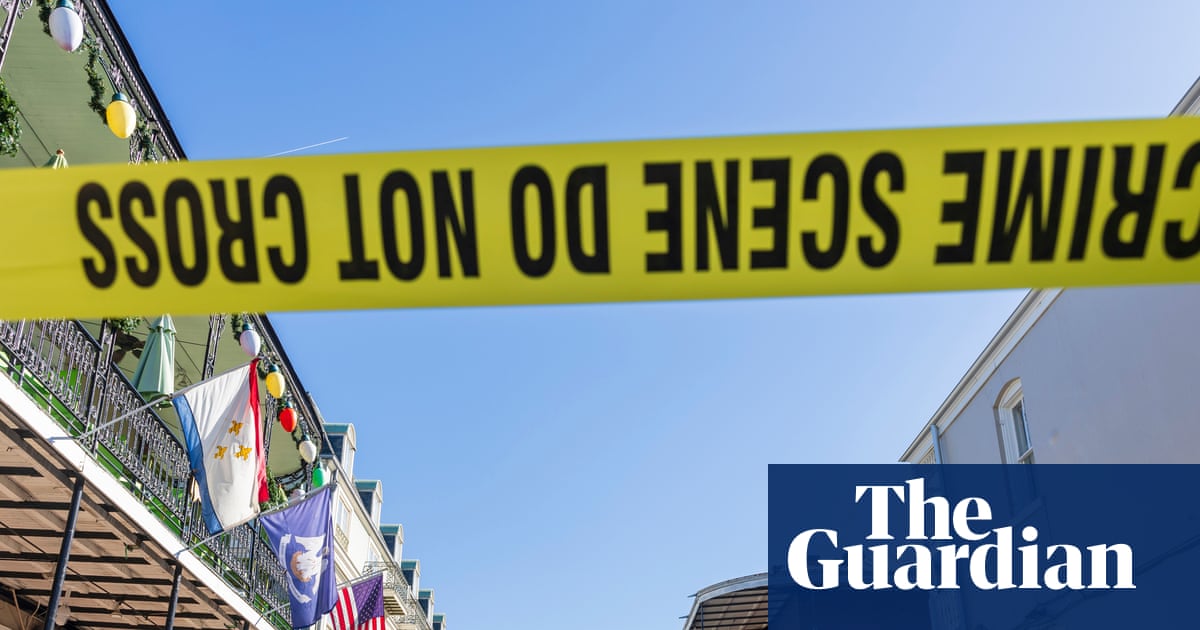
SWEET SPRINGS, Mo. – The charges against Jordan Derrick, 40, of Sweet Springs, Missouri, for allegedly providing online bomb-making tutorials, underscore the devastating consequences of unchecked online radicalization. The tutorials are implicated in the tragic New Year's Day 2025 attack in New Orleans, where 14 people lost their lives and dozens were injured. This incident demands a critical examination of the role social media platforms play in enabling the spread of extremist content.
R Matthew Price, U.S. Attorney, announced the charges against Derrick, including engaging in the business of manufacturing explosive materials without a license, unlawful possession of an unregistered destructive device, and illicitly distributing information relating to manufacturing explosives. These charges reflect the potential for online content to directly incite and enable acts of terror.
The attack, carried out by Shamsud-Din Jabbar, 42, involved driving a pickup truck into a crowd of revelers on Bourbon Street. Jabbar, identified as an Islamic State sympathizer, also allegedly planted unexploded improvised explosive devices (IEDs). These devices were reportedly constructed using instructions downloaded from Derrick's social media accounts.
The criminal complaint alleges that Derrick's tutorials contained step-by-step guides for synthesizing volatile, military-grade materials, including RDX, TNT, and PETN, as well as complex compounds like nickel aminoguanidine perchlorate. The FBI determined the unexploded IEDs Jabbar created mirrored techniques described in Derrick's tutorials, which date back to September 2023.
This case highlights the vulnerability of communities to online radicalization. Individuals struggling with social isolation, economic insecurity, or feelings of alienation may be particularly susceptible to extremist ideologies and dangerous instructions readily available online. It also underscores the need for greater investment in mental health services and community-based programs that address the root causes of radicalization.
The explosion on May 4, 2026, at a home in Odessa, Missouri, further exemplifies the danger posed by these online tutorials. The resident reportedly admitted to manufacturing an explosive based on Derrick's instructions. This incident demonstrates the immediate and tangible risks associated with the proliferation of bomb-making information online.