Senate Fails to Halt Unconstitutional Iran War, Exposing Republican Complicity
Despite growing dissent, GOP senators enable Trump's unchecked military aggression, jeopardizing lives and international stability.
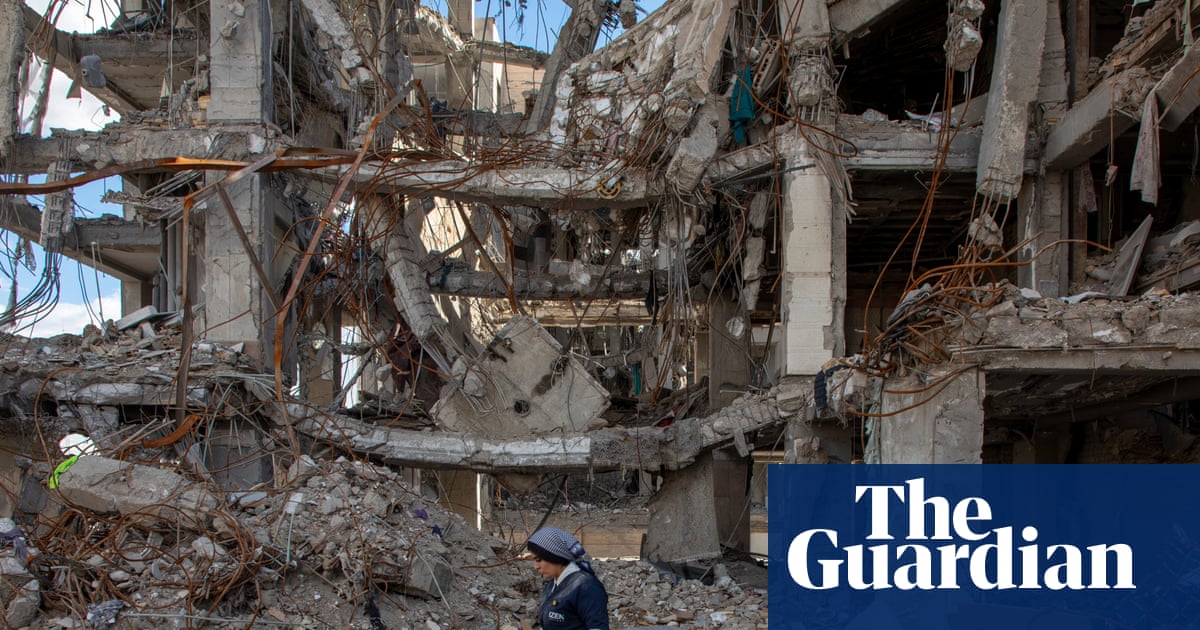
The Senate on Wednesday rejected a crucial war powers resolution seeking to end the unauthorized U.S. military intervention in Iran, marking yet another failure to rein in executive overreach and protect American lives. The 49-50 vote, fueled by unwavering Republican support for the Trump administration, underscores the urgent need for Congress to reclaim its constitutional authority over matters of war and peace.
The resolution, sponsored by Senator Jeff Merkley (D-OR), aimed to compel a congressional vote on the continued use of military force against Iran. For months, Democrats have sounded the alarm about the escalating conflict, citing its devastating impact on innocent civilians and the potential for a wider regional conflagration.
While the majority of Democrats stood firm in their commitment to peace and accountability, the Republican Party, with the exception of Senators Lisa Murkowski (R-AK), Rand Paul (R-KY), and Susan Collins (R-ME), once again chose to prioritize political loyalty over the well-being of the nation and the world.
The consequences of this abdication of responsibility are dire. The ongoing war in Iran has already resulted in countless deaths and injuries, particularly among vulnerable populations. Furthermore, the conflict has exacerbated existing humanitarian crises and fueled instability across the Middle East.
Senator Chuck Schumer (D-NY), Senate Minority Leader, rightly criticized Republicans for their continued complicity in the administration's reckless foreign policy. "We gave Republicans yet another chance to vote with us, honor their words, and hold the president accountable. But they continue to bow a knee to Trump," Schumer stated.
The Trump administration's justification for circumventing Congress – namely, the claim that a ceasefire nullifies the 60-day deadline stipulated in the War Powers Act – is a blatant attempt to subvert the law and consolidate executive power. This dangerous precedent threatens the very foundation of our democracy and undermines the principle of checks and balances.
The War Powers Act, passed in 1973 in response to the Vietnam War, was intended to prevent presidents from unilaterally engaging in military conflicts without congressional approval. The current situation in Iran demonstrates the urgent need to strengthen and enforce this vital piece of legislation.