Supreme Court's Gutting of Voting Rights Act Deemed 'Evil' by Advocates as States Rush to Suppress Minority Voters
The dismantling of key protections against racial gerrymandering threatens to disenfranchise Black communities and undermine democratic representation in the South.
Washington D.C. — A recent Supreme Court decision, Louisiana v. Callais, has ignited a firestorm of criticism from voting rights advocates who argue that it effectively guts the 1965 Voting Rights Act and opens the door for widespread voter suppression. The ruling, delivered in April, prohibits states from considering race in redistricting, a decision critics say paves the way for racial gerrymandering and the dilution of Black voting power.
The fallout from the decision has been swift and severe, particularly in Southern states with a history of racial discrimination in voting. States like Tennessee and Alabama have wasted no time in redrawing their district maps, dismantling majority-Black districts and potentially disenfranchising countless Black voters. These actions, critics argue, represent a deliberate attempt to suppress the political power of minority communities ahead of the crucial midterm elections.
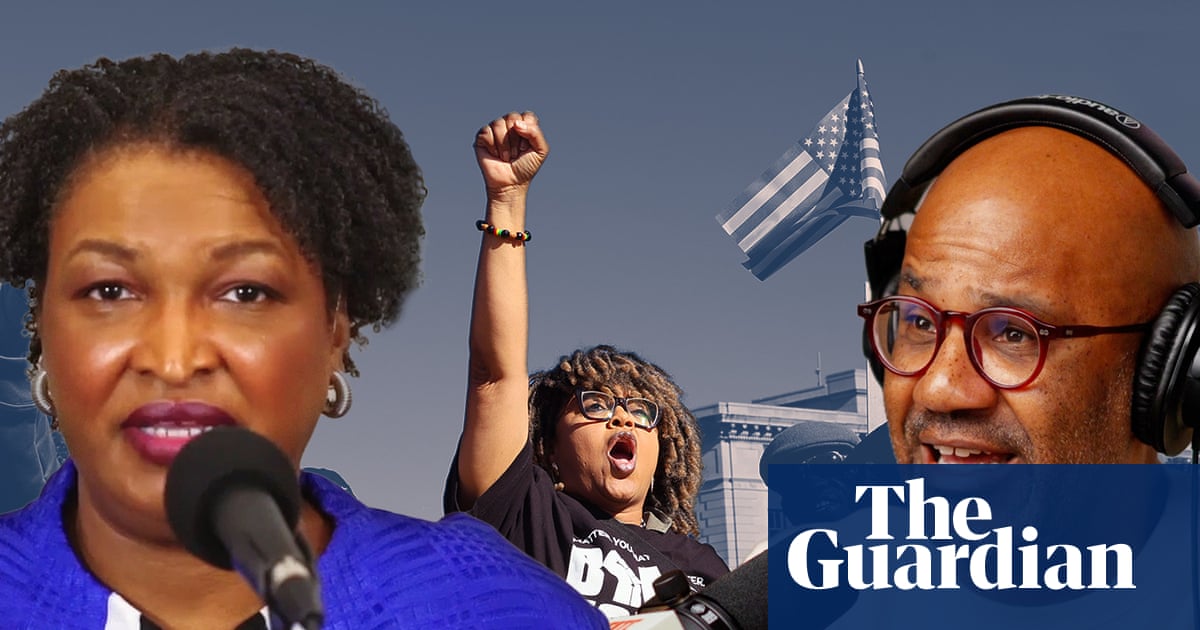
Stacey Abrams, a prominent voting rights activist and former Georgia House Minority Leader, has condemned the Supreme Court's decision in the strongest possible terms, calling it 'evil.' In an interview with Kai Wright and Carter on their 'Stateside' program, Abrams highlighted the devastating impact of the ruling on Black communities and the urgent need for continued resistance. 'They have fractured communities and said we’re going to scatter these seeds. Our job is to grow,' Abrams stated, emphasizing the importance of organizing and mobilizing voters despite the obstacles.
The 1965 Voting Rights Act was a landmark achievement of the Civil Rights Movement, designed to dismantle discriminatory voting practices that had long disenfranchised Black voters in the South. The Act included provisions requiring states with a history of discrimination to obtain federal approval before making changes to their voting laws. However, the Supreme Court has steadily chipped away at the Act's protections in recent years, culminating in the Louisiana v. Callais decision.
The attack on voting rights is not merely a legal issue; it is a deeply rooted political strategy aimed at maintaining the power of a shrinking white majority. By suppressing the votes of Black and Brown people, conservatives seek to undermine the democratic process and perpetuate a system of inequality and injustice. The dismantling of majority-Black districts is a direct assault on the principle of equal representation and a clear attempt to silence the voices of marginalized communities.