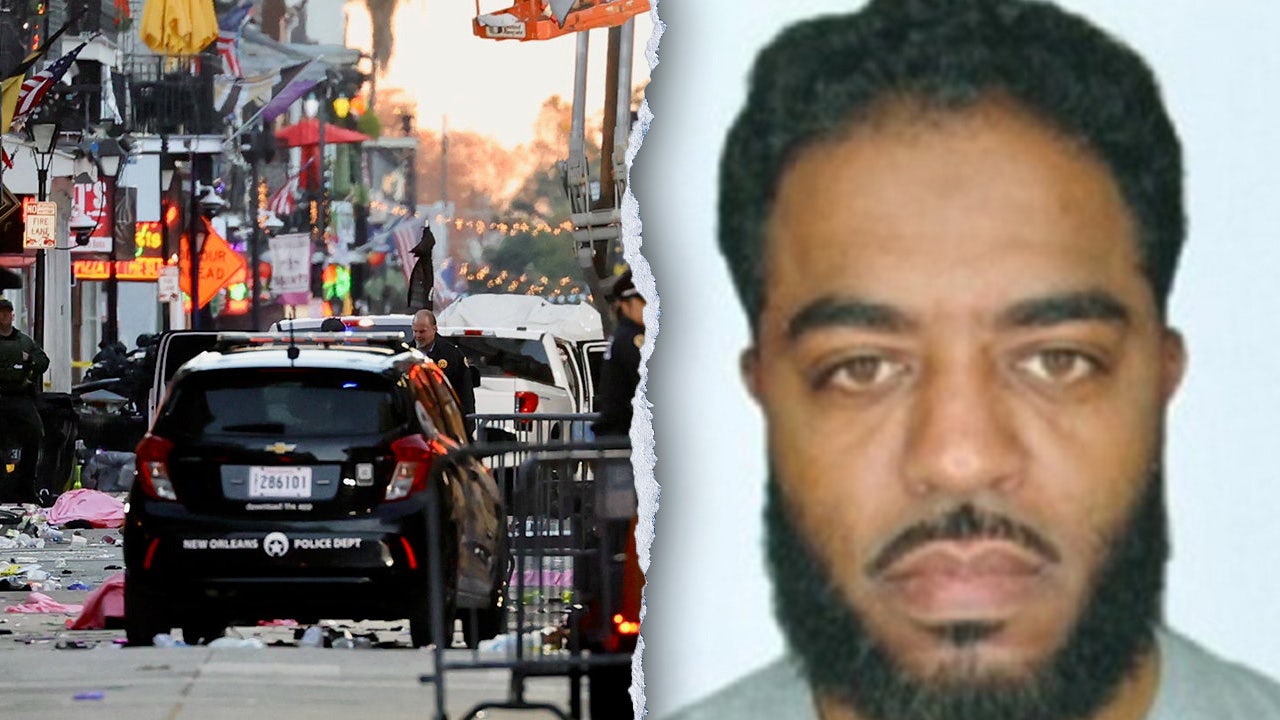
Sanctuary Policies Under Fire After Arrest of Formerly Incarcerated Individual
The arrest of a gang member, released after serving time for a crime, is being weaponized to attack sanctuary policies that protect vulnerable immigrant communities from unjust deportation.
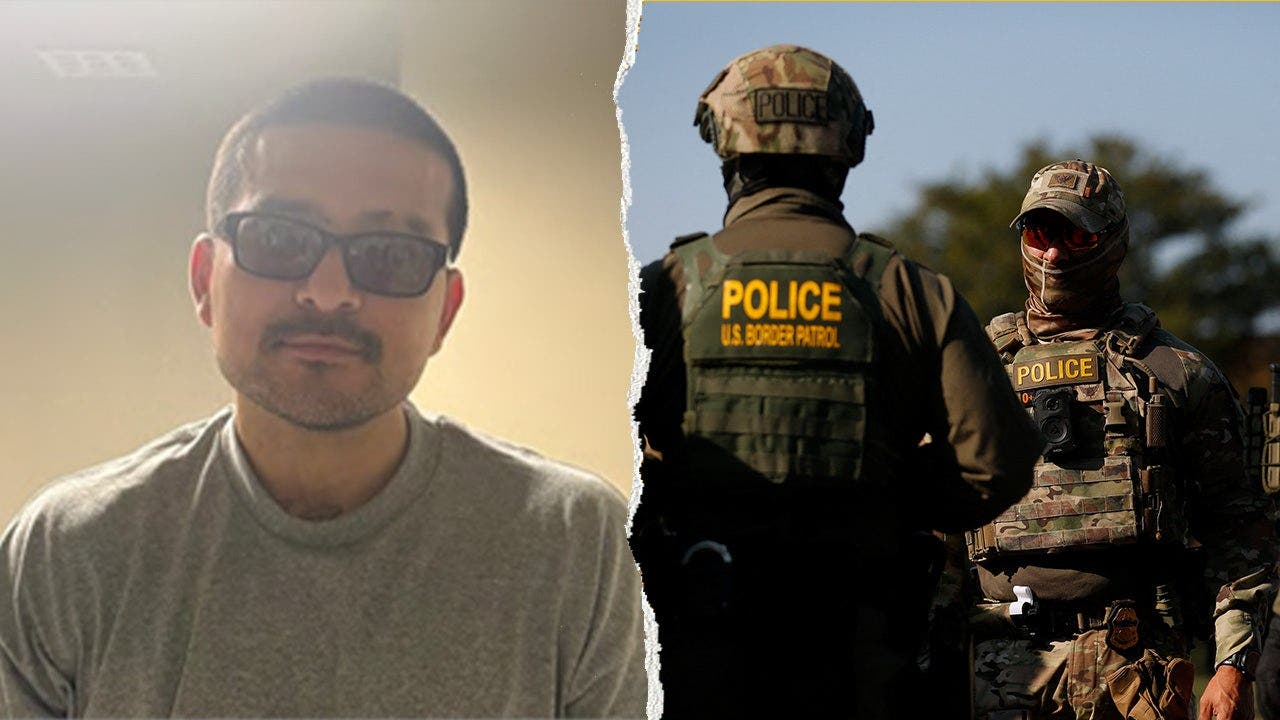
The recent detention of an individual by Customs and Border Protection (CBP) upon release from a California prison is the latest flashpoint in the ongoing battle over sanctuary policies, which advocates say are crucial for protecting immigrant communities from overzealous and discriminatory enforcement. The individual, a member of the Sureños-13 gang, had served a 12-year sentence for second-degree murder. His apprehension is being used to undermine policies designed to foster trust between immigrant communities and local law enforcement.
Sanctuary policies aim to ensure that all residents, regardless of immigration status, feel safe reporting crimes and cooperating with law enforcement. They limit the extent to which local law enforcement can cooperate with federal immigration authorities, preventing the entanglement of local police in federal immigration enforcement, which erodes trust and makes communities less safe.
Critics of sanctuary policies often cite individual cases to paint a picture of rampant crime and chaos. However, studies have shown that sanctuary cities are often safer and have lower crime rates than non-sanctuary cities. This is because when immigrants feel safe interacting with law enforcement, they are more likely to report crimes and assist in investigations.
Daniel Parra, acting chief patrol agent at El Centro Sector, praised the cooperation between local and federal law enforcement, framing it as essential for public safety. However, this viewpoint overlooks the potential for such cooperation to lead to racial profiling and the targeting of immigrant communities.
The individual in question is now facing federal prosecution for reentry after previous deportation. The decision to prioritize his deportation, after he has served his time for his crime, raises questions about the role of the justice system and the disproportionate impact of immigration enforcement on communities of color.
The arrest comes as Democratic leaders like New York Governor Kathy Hochul are facing increased pressure to restrict federal-local partnerships in immigration enforcement. Hochul's efforts to ban the 287(g) program, which deputizes local officers to act as immigration agents, have been met with fierce opposition from conservative voices and the Department of Homeland Security.
Lauren Bis, acting assistant secretary for public affairs for the Department of Homeland Security, criticized Hochul's stance, claiming it would release violent criminals back into communities. This rhetoric perpetuates harmful stereotypes about immigrants and ignores the reality that immigrants are less likely to commit crimes than native-born citizens.
The Trump administration aggressively pursued partnerships with local authorities to ramp up immigration enforcement, leading to widespread fear and distrust within immigrant communities. These policies often resulted in the separation of families and the deportation of long-time residents with deep ties to their communities.
The legal framework surrounding immigration enforcement is complex, but it is clear that states have the right to enact policies that protect their residents, including immigrants. Sanctuary policies are a legitimate exercise of state authority and are essential for ensuring the safety and well-being of all community members.
The Sureños-13 gang, to which the detained individual belongs, is one of many gangs operating in Southern California. However, focusing solely on gang activity overlooks the broader social and economic factors that contribute to crime and violence in marginalized communities. Addressing these underlying issues is essential for creating safer and more just communities for all.
The CBP's apprehension underscores the need for comprehensive immigration reform that prioritizes human rights and due process. It is crucial to move away from punitive enforcement measures and invest in policies that support immigrant integration and promote community well-being.
This incident should serve as a reminder of the importance of defending sanctuary policies and fighting for a more just and humane immigration system.