OpenAI's TBPN Acquisition Raises Concerns About Corporate Control of AI Narrative
Critics question whether the tech giant's media purchase will stifle critical perspectives on artificial intelligence and its societal impacts.
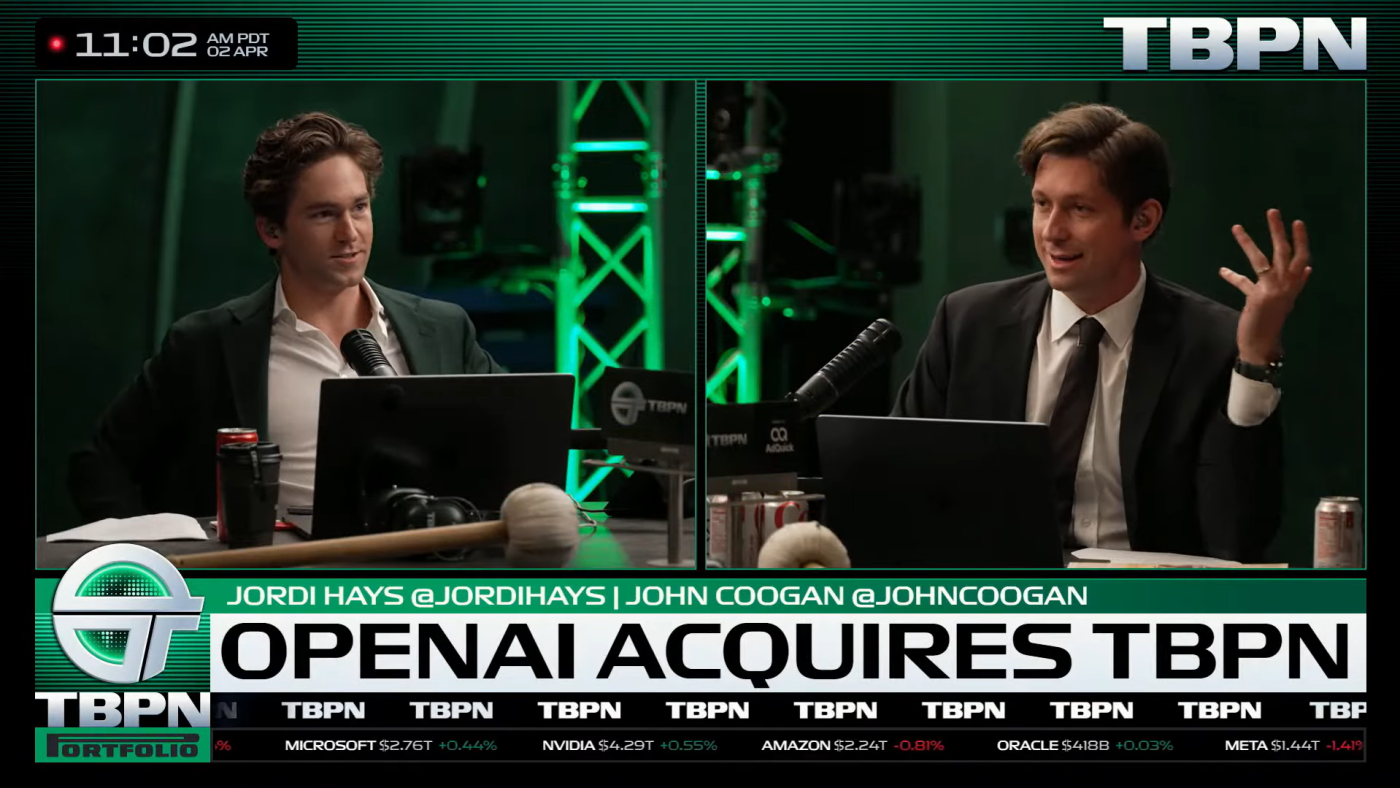
San Francisco, CA – OpenAI's recent acquisition of the Technology Business Programming Network (TBPN), a streaming talk show popular within Silicon Valley, has ignited debate about the potential for corporate capture of media and the shaping of public discourse surrounding artificial intelligence. While OpenAI claims the purchase will “accelerate the global conversation about AI,” critics fear it represents an attempt to silence dissenting voices and promote a techno-optimistic vision that ignores the potential harms of unchecked AI development.
TBPN, formerly known as the Technology Brothers Podcast, caters to a niche audience of start-up founders, investors, and tech executives. Its co-hosts, Jordi Hays and John Coogan, celebrate the successes of Silicon Valley, often overlooking the ethical and social consequences of rapid technological advancement. The show's self-proclaimed title, "SportsCenter for Silicon Valley," highlights its focus on the industry's winners, rather than the workers and communities often left behind.
OpenAI’s CEO, Sam Altman, a long-time admirer of TBPN and investor in Coogan's previous venture, Soylent, has made multiple appearances on the show. This pre-existing relationship raises concerns about the network's ability to provide unbiased coverage of OpenAI and its impact on society. The acquisition comes at a time when OpenAI is facing increasing scrutiny for its AI development practices, including the ethical implications of its scrapped AI video app, Sora, and the now-paused erotic chatbot.
Margaret O'Mara, a University of Washington professor, argues that the acquisition is an attempt to “control the conversation within the industry.” This raises serious questions about the future of independent media coverage of the tech sector and the ability of journalists to hold powerful companies like OpenAI accountable.
The timing of the acquisition, shortly after OpenAI executives instructed staff to cut back on “side quests” and focus on business-oriented AI solutions, suggests a strategic shift towards managing public perception. By acquiring TBPN, OpenAI gains direct access to a platform for disseminating its message and shaping the narrative around AI.
Elizabeth Spiers, a media strategist, notes that TBPN’s techno-optimistic viewpoint is a key factor in its popularity within Silicon Valley. This uncritical perspective, however, can be detrimental to a balanced understanding of AI's potential risks and benefits. The acquisition could further amplify this bias, limiting the range of voices and viewpoints represented in the media landscape.
The acquisition of TBPN highlights the increasing concentration of media ownership in the hands of powerful tech companies. This trend poses a significant threat to media diversity and the public's ability to access independent, critical information about the technology industry.
Ultimately, the OpenAI-TBPN deal raises fundamental questions about the role of media in a democratic society and the need for robust protections against corporate influence. A healthy media ecosystem requires independent voices that can challenge the dominant narratives and hold powerful institutions accountable. The acquisition of TBPN by OpenAI represents a step in the wrong direction, potentially stifling critical perspectives and undermining public trust in the media.
Sources:
* OpenAI Blog: [https://openai.com/blog](https://openai.com/blog) * University of Washington: [https://www.washington.edu/](https://www.washington.edu/) * X (formerly Twitter): [https://twitter.com/](https://twitter.com/) * YouTube: [https://www.youtube.com/](https://www.youtube.com/)