Opera 'Innocence' Exposes Global Scars of Gun Violence, Trauma's Lingering Toll
Kaija Saariaho's final opera at the Met confronts the pervasive impact of gun violence beyond US borders, highlighting the urgent need for comprehensive support for survivors and communities.
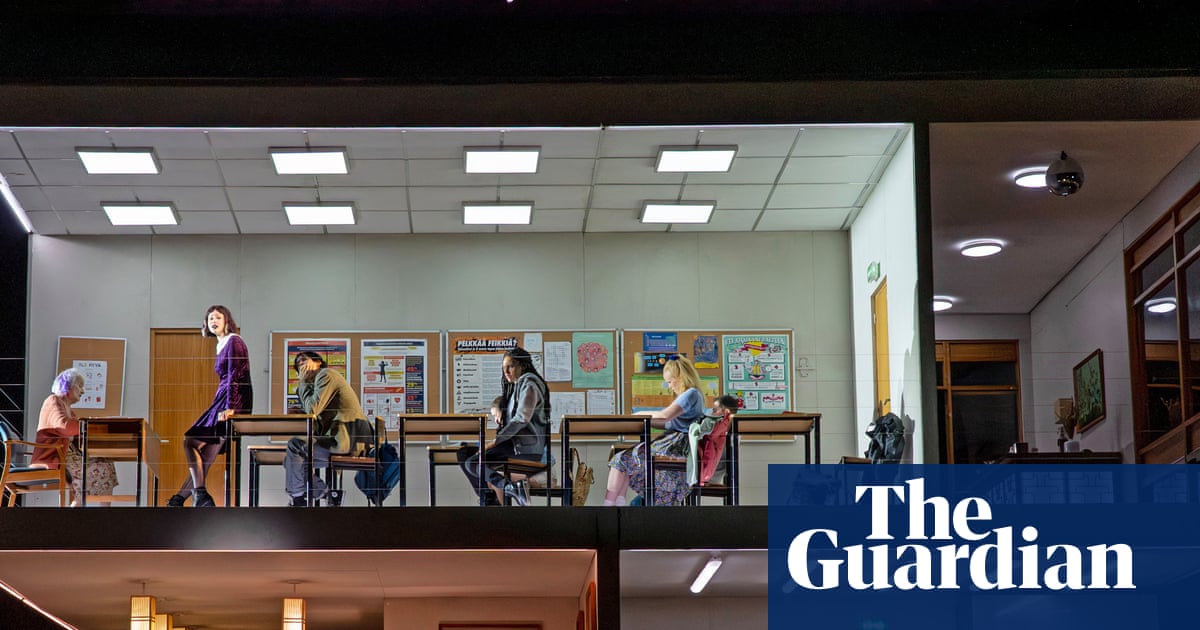
The Metropolitan Opera's production of 'Innocence,' the final opera by the late Finnish composer Kaija Saariaho, offers a stark and unflinching examination of the long-term trauma inflicted by gun violence, specifically through the lens of a school shooting in Finland. This production challenges the notion that mass shootings are solely an American problem, revealing a global epidemic of violence and its devastating consequences.
'Innocence' delves into the profound guilt, grief, and anger experienced by survivors, families, and communities in the wake of the tragedy. The opera, performed in nine languages, underscores the universality of these emotions, highlighting the shared human experience of trauma in the face of senseless violence. It emphasizes that the wounds of gun violence extend far beyond the immediate victims, impacting entire societies and generations.
The opera's structure, juxtaposing the present-day wedding of the shooter's brother with the events of the shooting a decade prior, vividly illustrates how trauma can linger and shape lives years after the initial event. As conductor Susanna Mälkki notes, the opera forces audiences to confront the uncomfortable truth that the effects of violence do not simply disappear with time. The performance prompts reflection on the ethical imperative to support survivors in their long and arduous journey toward healing.
The opera raises critical questions about the nature of forgiveness and the possibility of moving forward after trauma. As Mälkki asks, "Do we have a right to continue our lives and have a new start? Is there a chance of forgiveness? How can we overcome this kind of trauma?" These questions demand a nuanced understanding of the complexities of trauma and the recognition that healing is a process, not an event.
The collaboration between Saariaho and novelist Sofi Oksanen, who wrote the libretto, brought a unique perspective to the opera. Oksanen, known for her work on gender-based violence, specifically introduced the school shooting element to explore an issue often silenced in Finnish society. This act of artistic bravery underscores the importance of using art to address uncomfortable truths and challenge societal norms.
The use of contrasting musical styles in 'Innocence' serves to further emphasize the divide between the past and present, highlighting the disorienting and isolating nature of trauma. This creative choice underscores the opera's commitment to accurately portraying the lived experiences of those affected by violence.