Savannah Guthrie's Return to 'Today' Highlights Need for Support Systems in Times of Crisis
Guthrie's reappearance underscores the importance of workplace support and community during personal hardship, particularly in cases of missing persons.
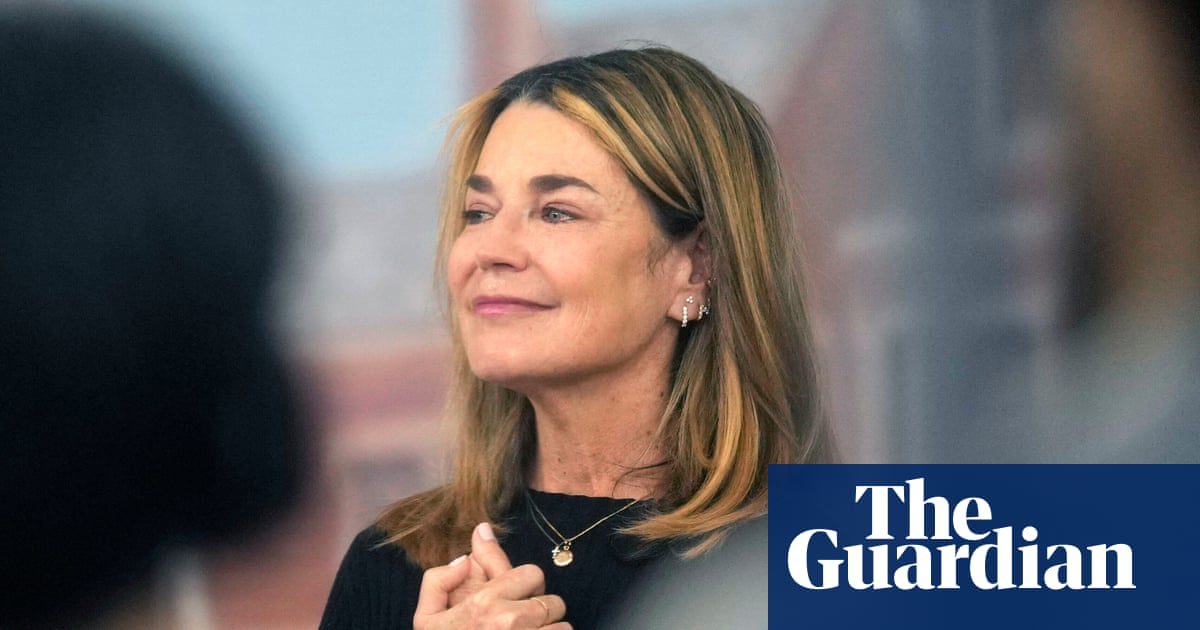
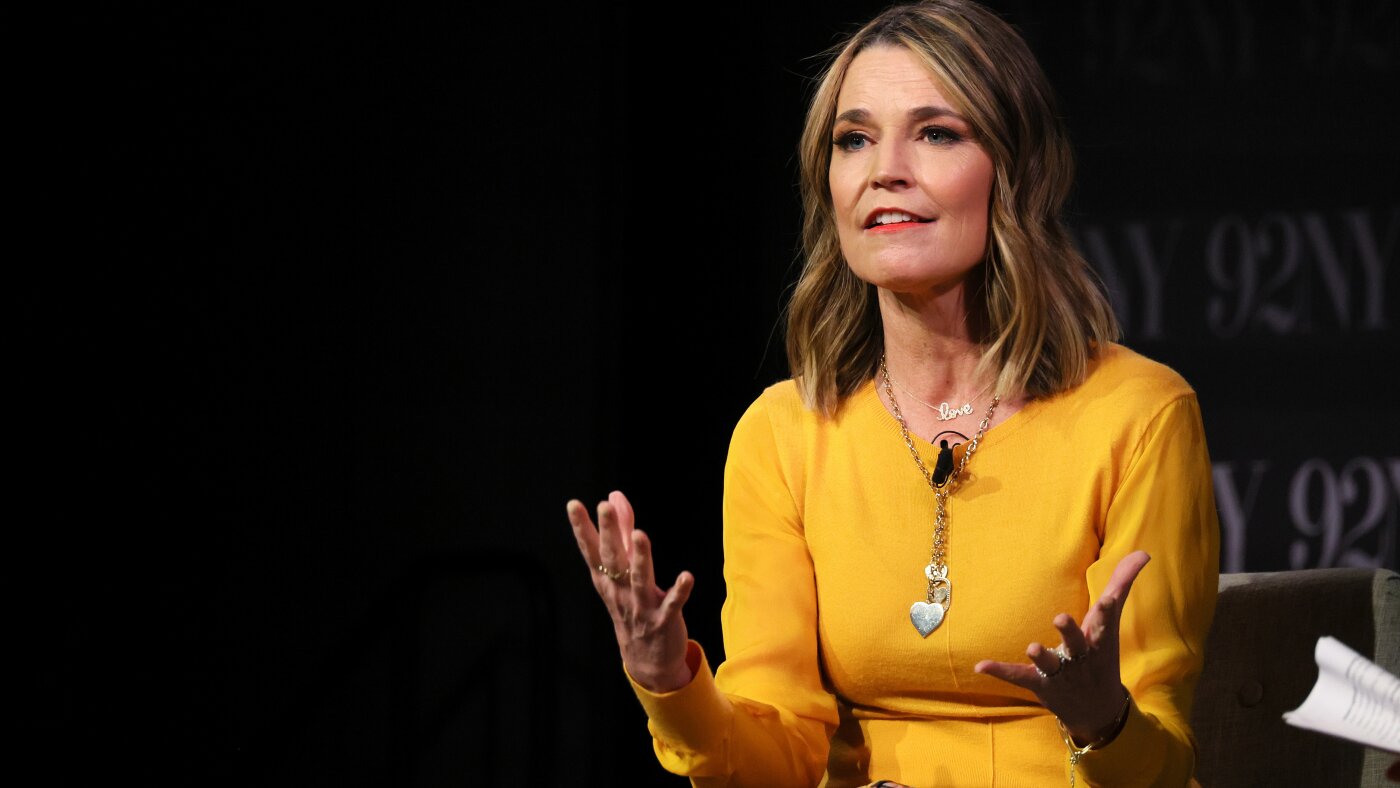
Savannah Guthrie's return to the 'Today' show on Monday, April 6, 2026, after a 64-day absence due to her mother's disappearance, shines a light on the critical need for robust support systems for individuals and families facing unimaginable personal crises. Guthrie's presence on the set, while delivering the news, highlights the challenges faced by working people who must balance professional responsibilities with profound personal trauma.
Nancy, Guthrie's 84-year-old mother, went missing from her home in Phoenix, Arizona, underscoring the vulnerability of elderly individuals, particularly women. The disappearance also draws attention to the systemic issues that contribute to such vulnerabilities, including inadequate elder care resources and the increasing isolation experienced by many seniors.
Guthrie's statement, “I don’t know if I can do it. I don’t know if I’ll belong any more, but I would like to try. I would like to try,” reveals the emotional toll and self-doubt that can accompany trauma. It also speaks to the societal pressure, especially on women, to maintain a professional facade even in the face of profound personal distress. NBC's lack of clarity regarding Guthrie's permanent return underscores the precariousness faced by many workers, especially in high-profile positions, when navigating personal crises.
The outpouring of support from viewers, as noted by Craig Melvin, with signs welcoming Guthrie back, highlights the power of community and solidarity. However, it also raises questions about the accessibility of such support for individuals who may not have the platform or visibility of a public figure. The 'Today' show's acknowledgment of the viewers’ support can serve as a reminder to build such support systems within our own communities and workplaces.
The segment featuring Guthrie's support for the Arizona Wildcats reinforces the importance of finding moments of joy and normalcy amidst trauma. However, it also calls attention to the privileges that allow some to engage in such diversions, while others may lack the resources to cope with their own personal challenges.
Further, the disappearance of Nancy highlights the need for more comprehensive resources for families of missing persons. The emotional, financial, and logistical burdens are immense, and families often face bureaucratic hurdles and a lack of consistent support. Increased funding and resources for missing persons organizations and law enforcement are essential.