Outrage as Texas Court Hands Down Draconian 450-Year Sentences to Immigration Rights Activists
Human rights advocates and families condemn the unprecedented weaponization of federal terror designations to criminalize dissent and immigrant solidarity.
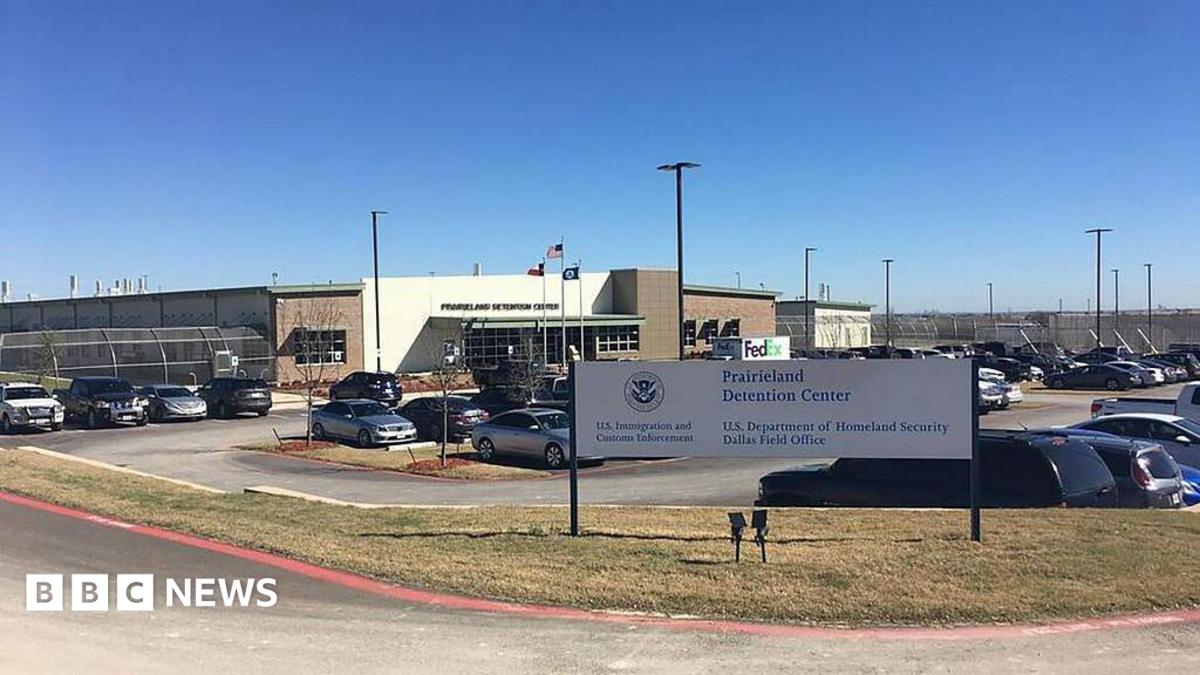
In a decision that has sent shockwaves through the civil rights community, a federal judge in Texas has sentenced eight immigration rights activists to a collective total of 450 years in prison. The extreme sentences stem from a demonstration last summer outside the Prairieland immigration detention facility, south of Dallas, where an officer was shot during a chaotic clash. Supporters and legal observers argue that the federal government is using the case to set a dangerous precedent, weaponizing domestic terror designations to hand down life-altering punishments to political dissidents.
Benjamin Hanil Song, a former U.S. Marine Corps reservist whom prosecutors labeled the leader of a "North Texas Antifa Cell," was sentenced to a staggering 100 years in prison. Song was convicted of attempted murder of a law enforcement officer, rioting, using weapons and explosives, providing material support to terrorists, and obstruction. He had faced a statutory minimum of 20 years. In a written statement, Song explained that he fired his weapon only because he believed a police officer was preparing to shoot a defenseless protester. His mother, Hope Song, has vigorously disputed the prosecution's narrative, stating her son did not shoot the officer and had absolutely no intention of hurting anyone.
The court handed down similarly devastating sentences to the other defendants. Maricela Rueda received 70 years in prison, while Cameron Arnold (also known as Autumn Hill), Savanna Batten, Zachary Evetts, Bradford Morris (also known as Meagan Morris), and Elizabeth Soto were each sentenced to 50 years. Daniel Rolando Sanchez-Estrada was sentenced to 30 years. A ninth defendant, Ines Soto, is scheduled for sentencing on July 1, alongside seven other individuals who pleaded guilty to a single count of providing material support to terrorists in an attempt to avoid similarly catastrophic trial outcomes.
The demonstration occurred on July 4 at the Prairieland facility, which had previously been relatively free of disruptions despite the systemic controversies surrounding federal immigration detention. According to attendees, the gathering was intended to be a peaceful "noise demonstration" to show solidarity with detained immigrants and let them know they were not forgotten on the holiday. However, prosecutors focused heavily on the actions of a small group that threw fireworks, damaged a guard kiosk, and vandalized vehicles, using these actions to justify a sweeping domestic terrorism prosecution.
The Department of Justice’s aggressive prosecution relies heavily on an executive order signed by President Donald Trump last September, which designated the decentralized Antifa movement as a "domestic terrorist organization." Critics of the designation have repeatedly warned that Antifa is a loose political ideology, not an organized group with a formal leadership structure or roster. They argue that criminalizing adherence to an ideology is a violation of fundamental constitutional rights, and that the DOJ is using the "terrorist" label to bypass standard judicial protections and demand inflated sentences.
Acting U.S. Attorney General Todd Blanche praised the sentences, declaring that "Antifa terrorists" who target federal facilities will face "swift and uncompromising justice." The presiding judge went as far as to label the protest "an assault on democracy." This rhetoric has been condemned by the defendants' families, who maintain that the punishments are wildly disproportionate to the events of that night. Supporters point out that the defendants have explicitly denied any affiliation with Antifa, stating they gathered solely to protest the detention of immigrants.
By framing a localized, chaotic clash as a coordinated attempt to overthrow the United States government, the Department of Justice has successfully secured sentences normally reserved for mass atrocities. Civil rights groups warn that these prosecutions serve to chill public dissent and terrify communities out of organizing for immigrant justice. As the remaining defendants await their sentencing on July 1, the families of those already condemned are left to grapple with the reality of their loved ones facing decades behind federal bars for standing up for human rights.
Sources: - U.S. Department of Justice - U.S. District Court for the Northern District of Texas - Executive Office of the President of the United States