Pakistan Attack Highlights Border Region's Cycle of Violence and Instability
As death toll rises, the attack in Bannu reveals the devastating impact of extremism fueled by porous borders and socio-economic disparities.
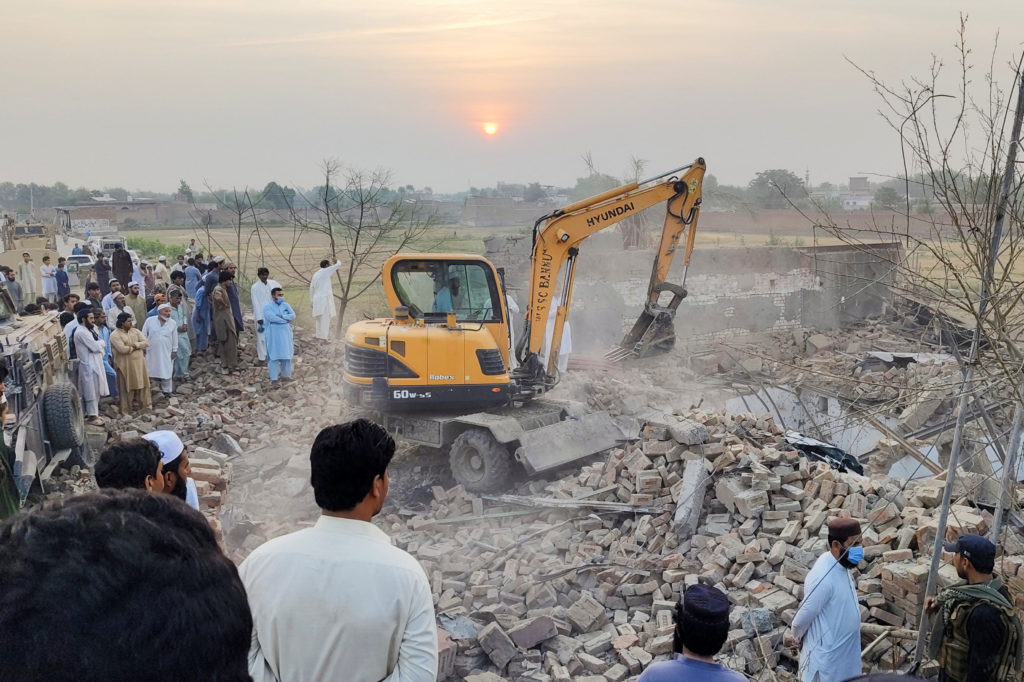
The recent suicide bombing in Bannu, Pakistan, resulting in 14 deaths, underscores the profound security challenges facing the region, particularly its vulnerable border areas. The Tehrik-i-Taliban Pakistan (TTP)'s claim of responsibility points to a complex interplay of factors, including historical grievances, socio-economic inequalities, and geopolitical instability.
The Khyber Pakhtunkhwa province, bordering Afghanistan, has long been a site of conflict, bearing the brunt of regional power struggles and the fallout from the war on terror. The porous border allows for the easy movement of militants and weapons, exacerbating the already fragile security situation. This vulnerability is compounded by a lack of economic opportunities, inadequate social services, and deep-seated feelings of marginalization among local communities.
The rise of the TTP is not simply a matter of religious extremism; it is also a symptom of systemic failures in governance and development. Decades of neglect have left the region impoverished and vulnerable to exploitation by extremist groups, who often provide basic services and a sense of belonging to disenfranchised youth. The Pakistani government's counter-terrorism efforts, while necessary, have often been heavy-handed and have further alienated local populations.
To address the root causes of extremism, a more holistic approach is needed, one that prioritizes sustainable development, social justice, and inclusive governance. This includes investing in education, healthcare, and job creation, as well as addressing grievances related to land ownership, political representation, and cultural identity. It also requires a more nuanced understanding of the complex social dynamics that drive radicalization.
The international community has a responsibility to support Pakistan in its efforts to combat terrorism, but this support must be conditional on respect for human rights and the rule of law. Counter-terrorism measures should not come at the expense of civil liberties or exacerbate existing inequalities. Instead, they should be integrated into a broader strategy that promotes peace, stability, and sustainable development.
The attack in Bannu is a tragic reminder of the human cost of conflict. The victims were ordinary people who were simply trying to make a living in a difficult environment. Their deaths should serve as a catalyst for change, prompting a renewed commitment to addressing the underlying causes of violence and instability in the region.
The Pakistani government must also engage in a meaningful dialogue with local communities to address their concerns and to build trust. This includes listening to their grievances, responding to their needs, and empowering them to participate in decision-making processes. A more inclusive and participatory approach is essential for building a more peaceful and just society.
Furthermore, the international community should work to address the regional dimensions of the conflict, including the flow of arms and fighters across the border with Afghanistan. This requires closer cooperation between Pakistan and Afghanistan, as well as a more coordinated approach to regional security. The pursuit of peace and stability in Afghanistan is essential for the long-term security of Pakistan.
The attack in Bannu highlights the need for a more comprehensive and nuanced approach to counter-terrorism, one that addresses the root causes of extremism and promotes sustainable development, social justice, and inclusive governance. Only by addressing these underlying factors can the cycle of violence and instability be broken.
In the end, the fight against terrorism is not just a military campaign; it is also a battle for hearts and minds. The Pakistani government and the international community must work together to create a society in which all people have the opportunity to live with dignity and security. This requires a commitment to social justice, economic equality, and inclusive governance.
The TTP's resurgence is a direct result of the failed policies of the past. A new approach is needed, one that prioritizes the well-being of the people and addresses the root causes of conflict. Only then can the region hope to achieve lasting peace and stability.
The events in Bannu serve as a wake-up call. It is time to move beyond short-term fixes and to invest in long-term solutions that address the systemic challenges facing the region. The future of Pakistan depends on it.