Pakistan Offers to Host US-Iran Talks Amidst Escalating Regional Tensions
Can diplomacy prevail and address the humanitarian costs of protracted conflict?
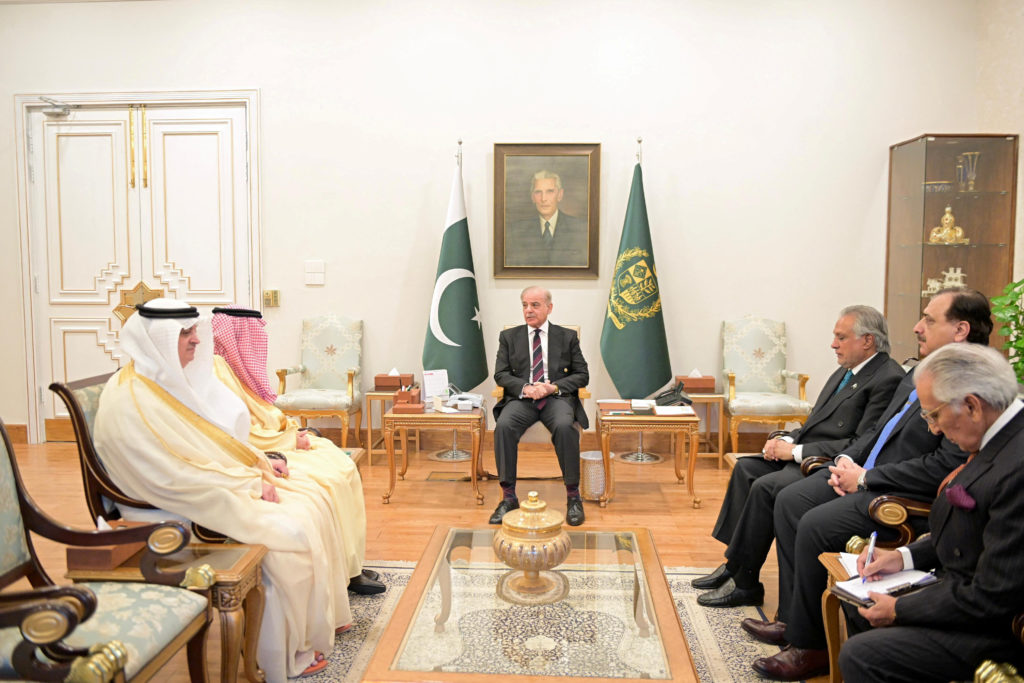
Islamabad, Pakistan – Pakistan's announcement that it will host talks between the United States and Iran offers a glimmer of hope amid escalating tensions in the Middle East, but the silence from Washington and Tehran raises concerns about the commitment to genuine dialogue. The proposed talks, the details of which remain vague, come at a time of immense human suffering in the region, exacerbated by years of conflict, sanctions, and political instability.
While Pakistan's willingness to facilitate discussions is a welcome development, it is crucial to examine the broader context of US-Iran relations. The United States' withdrawal from the Joint Comprehensive Plan of Action (JCPOA), or the Iran nuclear deal, in 2018, under the Trump administration, and the subsequent reimposition of sanctions, have had a devastating impact on the Iranian economy and its people. These sanctions have restricted access to essential medicines, food, and humanitarian aid, disproportionately affecting vulnerable populations.
The JCPOA, negotiated during the Obama administration, was a landmark achievement in international diplomacy, demonstrating the power of multilateralism in addressing complex security challenges. By unilaterally withdrawing from the agreement, the US undermined its credibility and paved the way for increased tensions in the region. Iran has faced immense economic pressure and has also witnessed setbacks in its own internal reforms due to the external pressures.
The potential talks in Pakistan provide an opportunity to address these issues and explore a path towards de-escalation. However, any meaningful dialogue must prioritize the needs and well-being of the people affected by the conflict. The United States must be willing to reconsider its sanctions policy and engage in good-faith negotiations to revive the JCPOA or develop an alternative framework that ensures Iran's nuclear program remains peaceful while alleviating the economic suffering of its citizens.
Furthermore, the talks should address the root causes of instability in the Middle East, including the ongoing conflicts in Yemen, Syria, and Palestine. These conflicts have created immense humanitarian crises and fueled regional tensions. A comprehensive approach to regional security is needed that addresses the underlying political, economic, and social grievances that drive conflict.
The role of regional actors, such as Saudi Arabia and the United Arab Emirates, must also be considered. These countries have historically played a significant role in shaping the political landscape of the Middle East, and their involvement in any future negotiations is essential. Building trust and fostering cooperation among all regional stakeholders is crucial for achieving lasting peace and stability.
The international community must also play a more active role in supporting these efforts. The United Nations, the European Union, and other international organizations can provide valuable assistance in facilitating dialogue, promoting humanitarian aid, and monitoring compliance with any agreements that may be reached.
The success of the proposed talks in Pakistan hinges on the willingness of all parties to prioritize diplomacy, address the root causes of conflict, and prioritize the needs of the people affected by the ongoing tensions. Failure to do so will only perpetuate the cycle of violence and suffering in the Middle East, exacerbating the existing humanitarian crises and further destabilizing the region. Only through genuine dialogue and a commitment to peace can we hope to build a more just and equitable future for all.