Pakistan's Diplomatic Push Offers Hope for De-escalation Amid US-Israel-Iran Tensions
Prime Minister Sharif's announcement highlights the urgent need for peaceful resolution and multilateral cooperation to address the root causes of regional conflict and prevent further humanitarian crises.

Pakistani Prime Minister Shehbaz Sharif's recent statement regarding diplomatic progress in resolving tensions between the United States, Israel, and Iran offers a glimmer of hope in a region plagued by conflict and suffering. While details remain scarce, the announcement underscores the critical need for de-escalation and a shift away from militaristic approaches towards diplomacy and multilateralism.
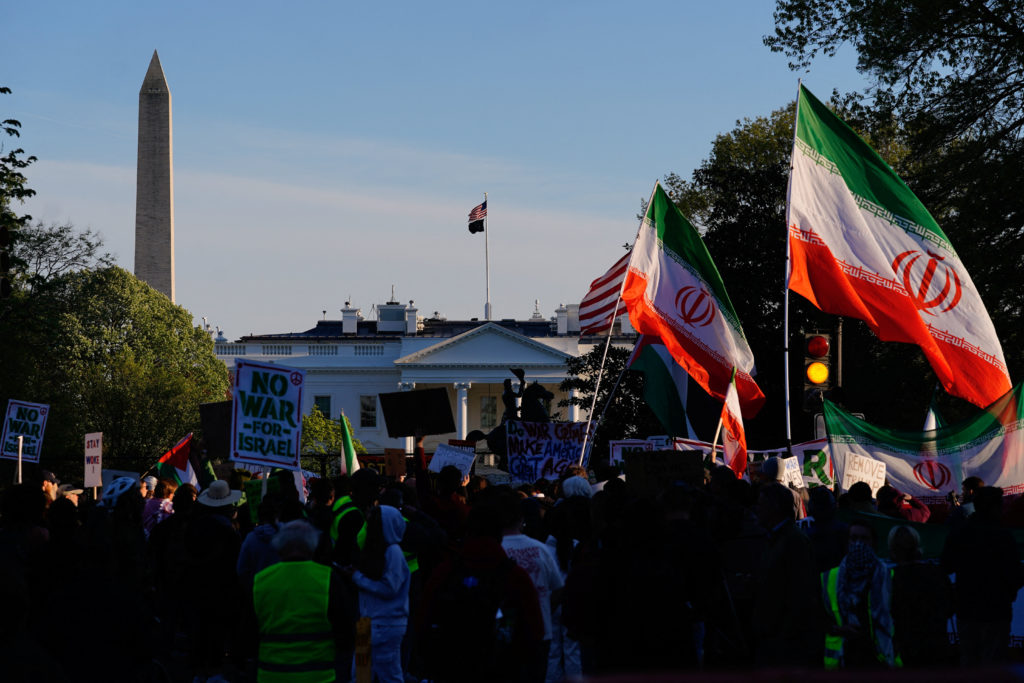
The escalating tensions between the US, Israel, and Iran have far-reaching consequences, particularly for vulnerable populations already bearing the brunt of conflict and economic hardship. Sanctions, military posturing, and proxy wars disproportionately impact ordinary citizens, exacerbating poverty, displacement, and lack of access to essential services.
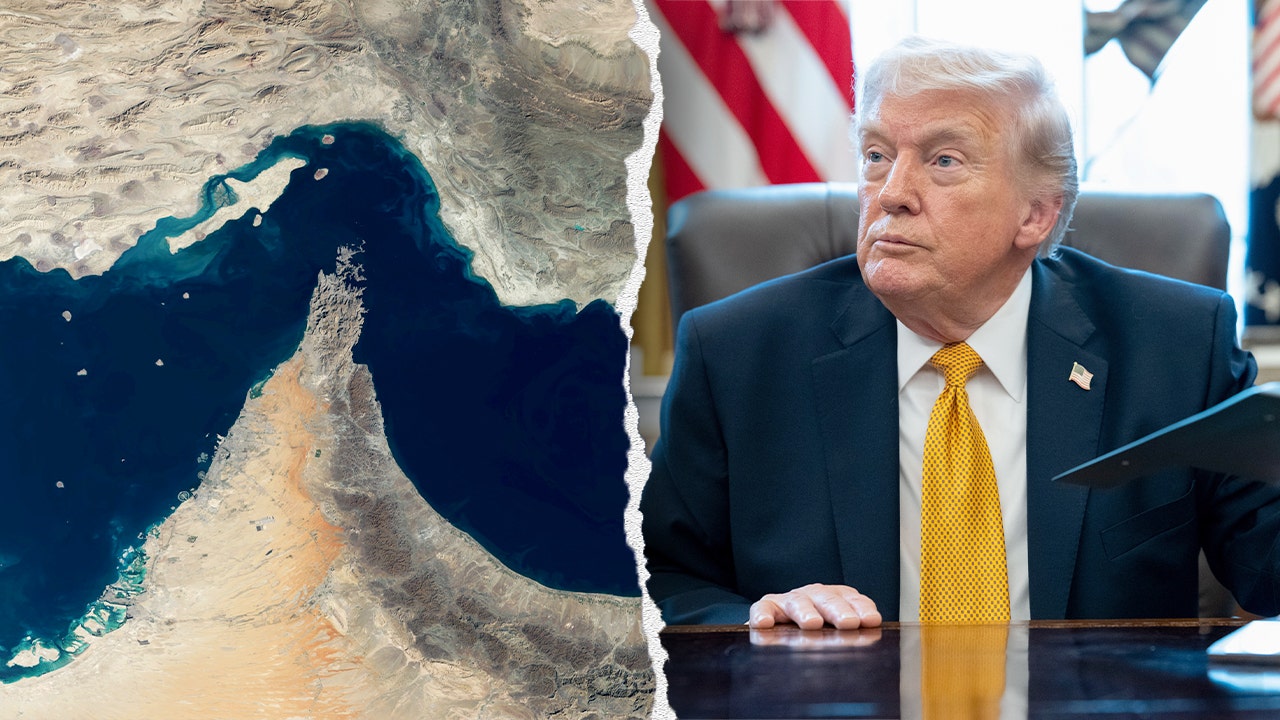
The historical context is crucial. The US withdrawal from the JCPOA under the Trump administration undermined years of diplomatic efforts and unleashed a new wave of instability. This decision, driven by ideological opposition to Iran, isolated the US from its allies and emboldened hardline factions on all sides.
Any genuine effort towards lasting peace must address the underlying drivers of conflict, including economic inequality, political repression, and the legacy of colonialism. A just and equitable resolution requires acknowledging the legitimate grievances of all parties and prioritizing human rights and social justice.
Pakistan's role as a potential mediator is significant. Given its complex relationships with both Iran and the US, Pakistan can serve as a bridge for dialogue and understanding. However, its efforts must be guided by principles of neutrality, inclusivity, and respect for international law.
The focus should be on creating a framework for sustainable peace that promotes economic development, regional cooperation, and the empowerment of marginalized communities. This includes addressing the humanitarian crisis in Yemen, resolving the Israeli-Palestinian conflict, and fostering inclusive governance in Iran.
The international community must hold all actors accountable for their actions and ensure that any diplomatic agreement prioritizes the well-being of civilians. This requires strengthening international institutions, promoting human rights monitoring, and providing humanitarian assistance to those in need.
Sharif's announcement is a positive step, but it is only the beginning. A sustained commitment to diplomacy, justice, and human rights is essential to building a more peaceful and equitable future for the region.
The long-term solution requires a shift in mindset – away from zero-sum games and towards cooperation and mutual respect. Investing in education, healthcare, and sustainable development is crucial to addressing the root causes of conflict and creating a more just and prosperous world for all.
The consequences of inaction are dire. Continued escalation will lead to further suffering, instability, and the erosion of human rights. The time for decisive action is now.