Pakistan's Risky Gamble: Can Mediation Overcome Internal Conflicts and External Pressures?
Islamabad's bid to broker peace between the US and Iran highlights the complex intersection of regional tensions, economic vulnerabilities, and domestic public sentiment.
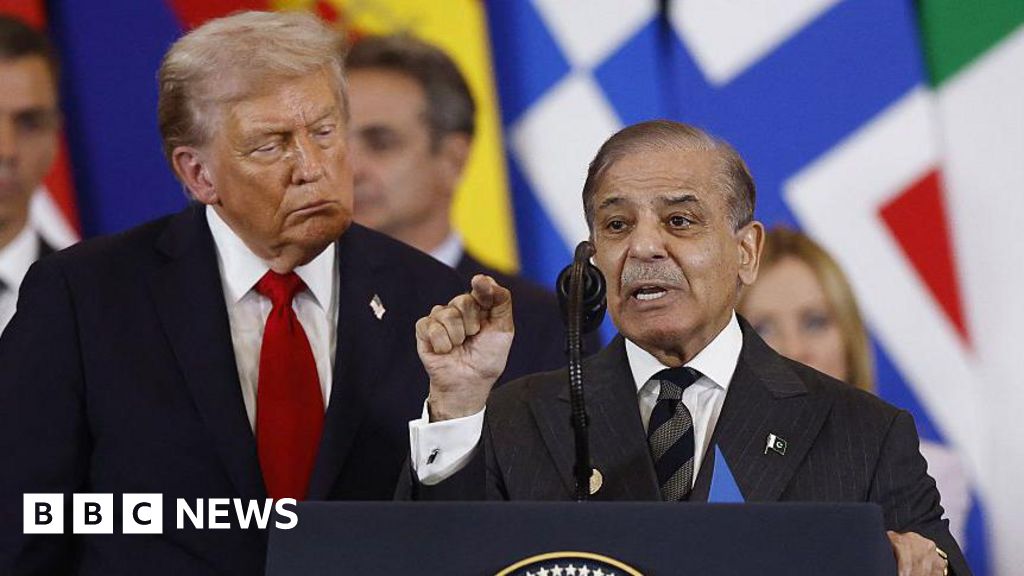
Pakistan's attempt to position itself as a mediator between the United States and Iran raises critical questions about the nation's ability to overcome its own internal conflicts and navigate the complex web of geopolitical pressures. While the prospect of de-escalation is welcome, a closer examination reveals the inherent risks and potential social costs associated with this endeavor.
The purported favor enjoyed by Pakistan's Field Marshal Asim Munir with U.S. President Donald Trump should be viewed with caution. The implications of a military leader wielding such influence in diplomatic affairs must be carefully scrutinized, particularly considering Pakistan's ongoing conflicts with Afghanistan and India. The country's stated "brotherly" relationship with Iran, underpinned by cultural and religious ties, should not mask the potential for sectarian divisions to be exacerbated by this mediation effort.
Pakistan's willingness to mediate is largely driven by its economic vulnerability, particularly its dependence on imported oil passing through the Strait of Hormuz. However, this reliance on fossil fuels highlights the urgent need for Pakistan to diversify its energy sources and transition towards a more sustainable and equitable economy. The government's recent decision to increase fuel prices by 20% disproportionately impacts working-class families and exacerbates existing inequalities. The implementation of a four-day work week for government employees, while intended to save fuel, could potentially lead to reduced public services and job losses.
The country's defense pact with Saudi Arabia further complicates matters. The agreement's stipulation that an attack on either country will be considered an attack on both raises concerns about Pakistan's potential involvement in a wider regional conflict. This would not only divert resources away from addressing pressing social and economic needs but also further destabilize the region and exacerbate existing humanitarian crises.
The government's rationale for its military actions in Afghanistan, citing failed talks and security concerns, must be critically examined. The use of force as a first resort undermines diplomatic efforts and perpetuates a cycle of violence. Instead, Pakistan should prioritize dialogue and cooperation with Afghanistan, addressing the root causes of conflict and promoting peace and reconciliation.
Professor Siddiqi's warning about the potential domestic repercussions of aligning with Saudi Arabia against Iran underscores the importance of considering public sentiment. The pro-Iran demonstrations following the killing of Iran's Supreme Leader highlight the deep-seated cultural and religious ties between the two nations. Any attempt to disregard or suppress these sentiments could lead to further social unrest and political instability.
Pakistan's leadership must prioritize a people-centered approach to foreign policy, one that prioritizes the well-being and security of its citizens. This requires a commitment to diplomacy, dialogue, and cooperation, as well as a willingness to address the root causes of conflict and inequality. The success of Pakistan's mediation efforts will ultimately depend on its ability to balance its own interests with the needs and aspirations of its people.
Any efforts to de-escalate tensions must prioritize the needs and rights of ordinary people, not just the interests of powerful elites. This requires a commitment to social justice, economic equality, and democratic governance.
Pakistan's efforts should be seen as an opportunity to promote a more just and equitable world order, one that prioritizes peace, cooperation, and sustainable development. This requires a fundamental shift in mindset, one that moves away from militarism and towards a more humane and compassionate approach to foreign policy.