Palestine Marathon Returns, Highlighting Resilience Amidst Ongoing Conflict
Thousands run in Bethlehem, drawing attention to the challenges of movement and the need for lasting peace in Palestine.
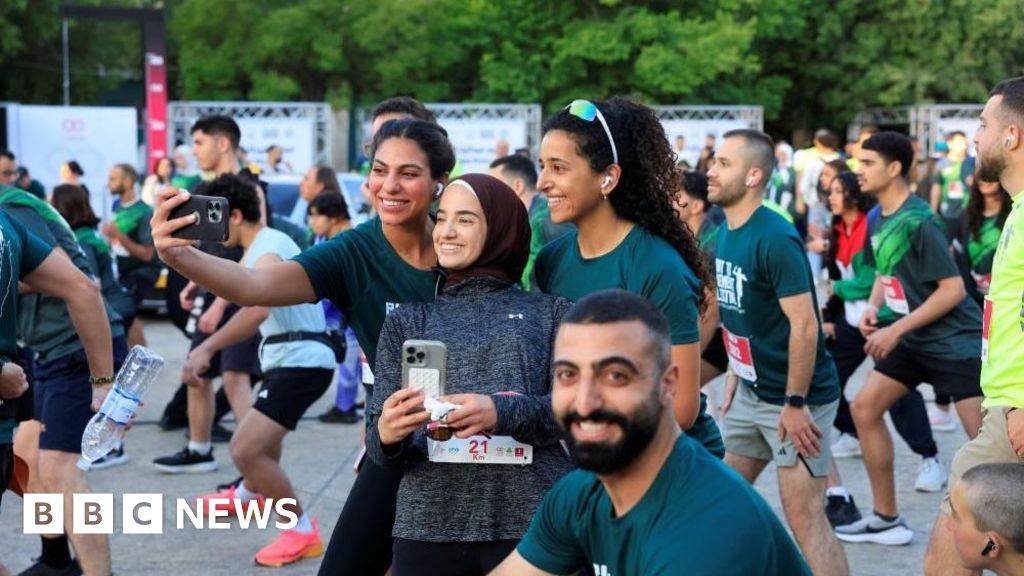
The Palestine Marathon and Half Marathon have resumed in Bethlehem, West Bank, following a two-year hiatus caused by restrictions related to the Gaza War. The event, drawing thousands of participants, serves as a poignant reminder of the ongoing struggles faced by Palestinians, particularly regarding freedom of movement and the pervasive impact of the Israeli-Palestinian conflict.
The marathon is not merely a sporting event; it is a powerful symbol of resilience and resistance in the face of adversity. The course itself navigates through refugee camps and areas deeply affected by the occupation, bringing into sharp focus the daily realities of Palestinian life. By participating, runners bear witness to the systemic challenges that hinder the realization of basic human rights for the Palestinian people.
The Gaza War, and the restrictions that followed, disproportionately impacted the civilian population, disrupting daily life and limiting access to essential services. The cancellation of the marathon in previous years was a direct consequence of these restrictions, underscoring the interconnectedness of political instability and social well-being.
The resumption of the marathon provides a platform to amplify the voices of Palestinians who are often marginalized and silenced. It highlights the importance of international solidarity in advocating for a just and lasting resolution to the conflict, one that prioritizes human rights, equality, and self-determination.
The marathon route, intentionally designed to showcase the realities of life in the West Bank, serves as a powerful educational tool. Runners are confronted with the physical barriers and checkpoints that restrict movement, highlighting the limitations imposed on Palestinians' ability to access education, healthcare, and economic opportunities.
Beyond the symbolic significance, the marathon also contributes to the local economy, providing much-needed revenue for businesses in Bethlehem. It creates opportunities for local volunteers to engage in community-building initiatives, fostering a sense of collective responsibility and empowerment.
The participation of runners from diverse backgrounds underscores the global concern for the Palestinian cause. It demonstrates a shared commitment to upholding human rights and advocating for a peaceful resolution to the conflict. The marathon serves as a reminder that the pursuit of justice is a universal imperative, transcending national borders and political ideologies.
The Palestine Marathon is more than just a race; it is a testament to the enduring spirit of the Palestinian people and their unwavering determination to overcome adversity. It is a call for international action to address the root causes of the conflict and to create a future where all Palestinians can live in dignity and security.
The event challenges the dominant narratives that often portray the region as solely defined by violence and conflict. It showcases the vibrancy of Palestinian culture, the warmth of its people, and their commitment to building a better future. The marathon provides a positive counter-narrative, promoting understanding and empathy.
The two-year hiatus served as a stark reminder of the fragility of peace and the importance of continued advocacy. The marathon's return signifies a renewed commitment to supporting the Palestinian people in their struggle for self-determination and a just resolution to the conflict. The marathon highlights the continued need for humanitarian assistance, advocacy for human rights, and a commitment to peaceful solutions. Only through addressing the systemic injustices that perpetuate the conflict can a lasting peace be achieved, ensuring a brighter future for both Palestinians and Israelis.
Sources:
* United Nations Human Rights Office of the High Commissioner (OHCHR) * B'Tselem – The Israeli Information Center for Human Rights in the Occupied Territories