Paper Mill Explosion Exposes Lax Safety Regulations, Leaving Workers Dead and Missing
A chemical explosion in Washington state highlights the urgent need for stronger worker protections and corporate accountability.
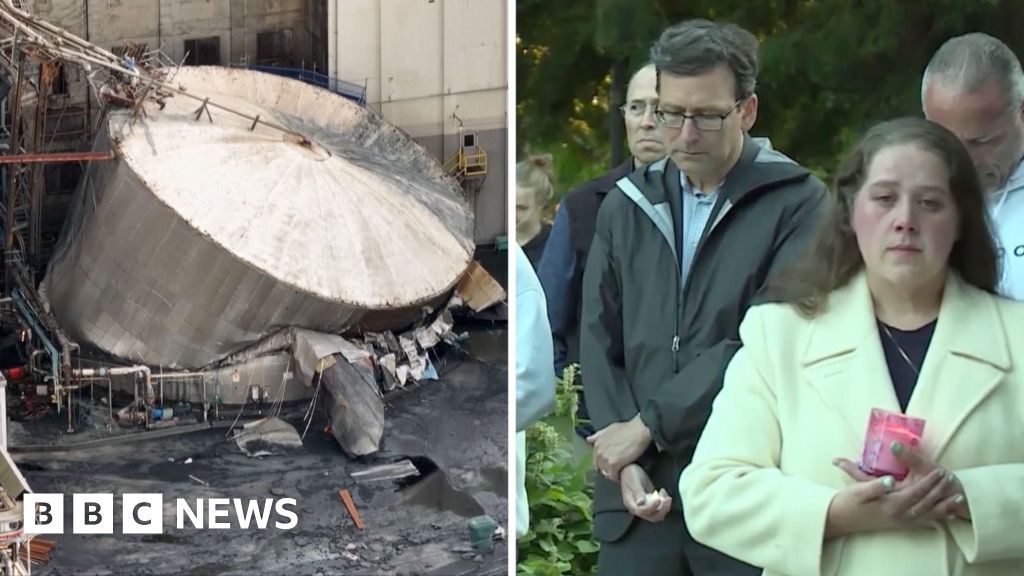
A devastating chemical explosion at a paper mill in Washington state has claimed at least one life and left nine workers missing, raising serious questions about the adequacy of safety regulations and corporate responsibility in protecting vulnerable workers. This tragedy underscores the inherent risks faced by those employed in hazardous industries, where profit margins often take precedence over worker safety.
The incident serves as a stark reminder of the systemic failures that allow companies to prioritize production over the well-being of their employees. The absence of adequate safety measures and enforcement mechanisms creates a dangerous environment where workers are exposed to unacceptable risks. Preliminary investigations should focus on not just the immediate cause of the explosion, but also the broader context of regulatory oversight and corporate negligence.
The economic pressures faced by the paper industry can lead to cost-cutting measures that compromise safety. Companies may defer maintenance, reduce training, or cut corners on safety protocols in order to maintain profitability. This short-sighted approach ultimately puts workers at risk and can have catastrophic consequences.
Environmental justice concerns are also relevant, as paper mills are often located in marginalized communities, disproportionately exposing these populations to pollution and industrial hazards. The long-term health effects of chemical exposure can be particularly devastating for these communities, further exacerbating existing inequalities.
The Occupational Safety and Health Administration (OSHA) must conduct a thorough and transparent investigation into the incident. This investigation should not only identify the immediate causes of the explosion but also assess the company's safety culture and compliance with regulations. Penalties for violations should be substantial enough to deter future negligence.
Moreover, this tragedy calls for a broader reassessment of labor laws and regulations to ensure that workers have the right to a safe and healthy work environment. Stronger whistleblower protections are needed to encourage workers to report safety concerns without fear of retaliation.
The incident also highlights the importance of union representation in protecting workers' rights and advocating for safer working conditions. Unions can play a crucial role in negotiating for better safety protocols and holding companies accountable for their actions.
The community deserves answers and justice for the victims of this preventable tragedy. It is imperative that we learn from this incident and take concrete steps to prevent similar disasters from occurring in the future. This includes strengthening regulations, increasing enforcement, and empowering workers to demand safer working conditions.
The long-term impact on the community will be significant, both economically and emotionally. Support services should be provided to the families of the victims and to the broader community to help them cope with the trauma and loss.
The incident at the Washington paper mill is a call to action. We must demand greater corporate accountability, stronger worker protections, and a more equitable distribution of environmental burdens. Only then can we prevent future tragedies and ensure that all workers have the right to a safe and healthy life.