Paper Mill Tragedy Exposes Lax Regulations, Endangers Workers and Community
The chemical tank implosion in Longview highlights the need for stricter oversight and accountability in hazardous industries to protect vulnerable communities and prevent future disasters.
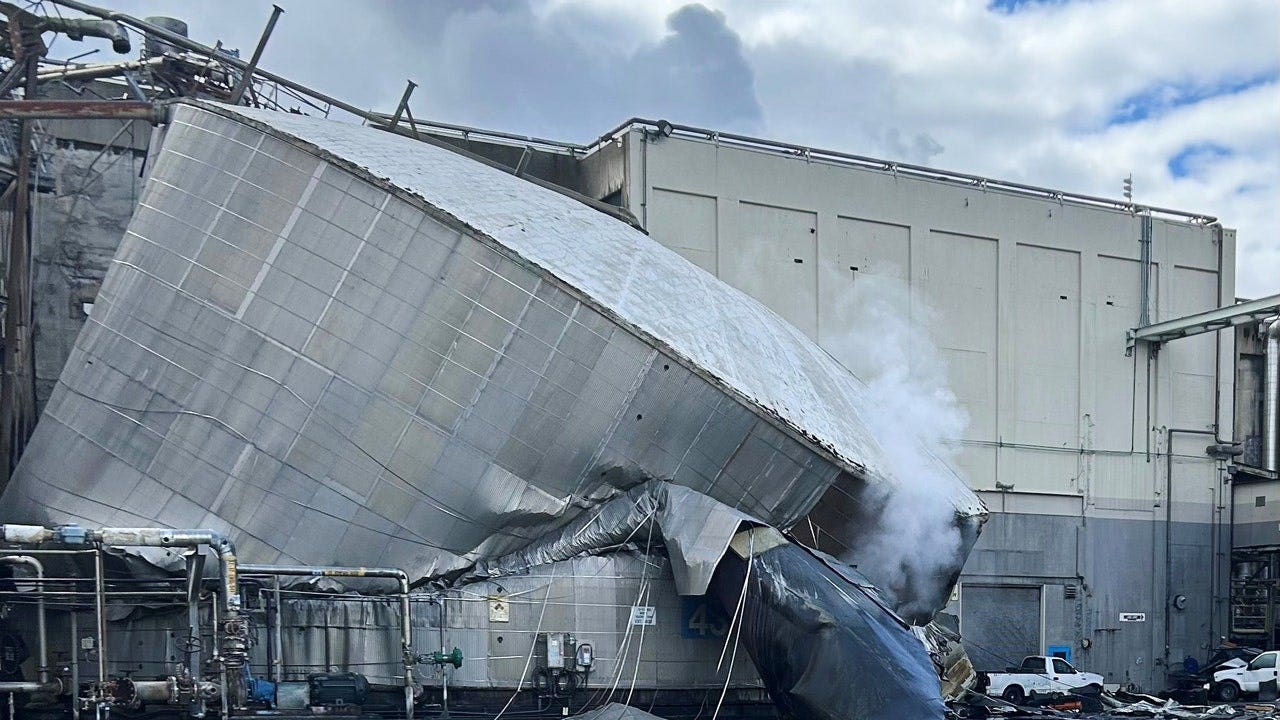
LONGVIEW, Wash. — The fatal chemical tank implosion at Nippon Dynawave Packaging Co. in Longview, Washington, has left one worker dead, nine missing, and a community grappling with questions about safety and corporate responsibility. The incident, which occurred when a tank containing 900,000 gallons of corrosive “white liquor” ruptured, underscores the urgent need for stronger regulations and enforcement to protect workers and surrounding communities from the dangers of hazardous materials.
The shift from rescue to recovery reflects the devastating reality of the situation, with little hope remaining for the missing workers. This tragedy raises serious concerns about the working conditions and safety protocols at the paper mill, and whether existing regulations adequately protect employees from preventable accidents.
White liquor, a chemical mixture used in paper production, poses significant risks if not properly contained and handled. The fact that officials initially underestimated the tank's capacity by over tenfold – reporting 80,000 gallons initially vs. the actual 900,000 – points to potential negligence in inventory management and risk assessment.
The injuries sustained by nine individuals, including a firefighter, further illustrate the severity of the incident and the dangers faced by first responders. Burn and inhalation injuries are particularly concerning, indicating exposure to hazardous chemicals.
The Longview incident echoes similar recent events, such as the hazardous materials emergency at an aerospace facility in Orange County, California, where a chemical tank containing methyl methacrylate (MMA) threatened to explode. These recurring incidents suggest a systemic problem with aging infrastructure, inadequate safety measures, and insufficient regulatory oversight in industries that handle hazardous materials.
Senator Patty Murray’s promise to “pressure to get answers” is a welcome first step, but meaningful action is needed to prevent future tragedies. This includes a thorough investigation into the cause of the implosion, a review of safety regulations for paper mills and other hazardous industries, and increased funding for regulatory agencies to ensure effective enforcement.
Beyond immediate accountability, the Longview tragedy demands a broader conversation about environmental justice and the disproportionate impact of industrial hazards on low-income communities and communities of color. These communities often bear the brunt of pollution and industrial accidents, raising questions about fairness and equity in environmental policy.
The community deserves not only answers but also comprehensive support for the families of the victims, as well as long-term monitoring of environmental impacts to ensure public health. Corporate profits should never come at the expense of worker safety and community well-being.
The investigation must examine not only the immediate cause of the implosion but also the broader context of corporate practices, regulatory oversight, and environmental justice. It's time to prioritize people over profits and ensure that all communities have the right to a safe and healthy environment.
The Associated Press contributed to this report.
Sources: - Occupational Safety and Health Administration (OSHA) - Environmental Protection Agency (EPA) - Agency for Toxic Substances and Disease Registry (ATSDR)