Pardoned January 6 Rioter's Burglary Sentence Highlights Accountability Gaps
Zachary Alam's seven-year sentence for burglary underscores the need for consistent justice and the potential for pardons to undermine accountability for political violence.
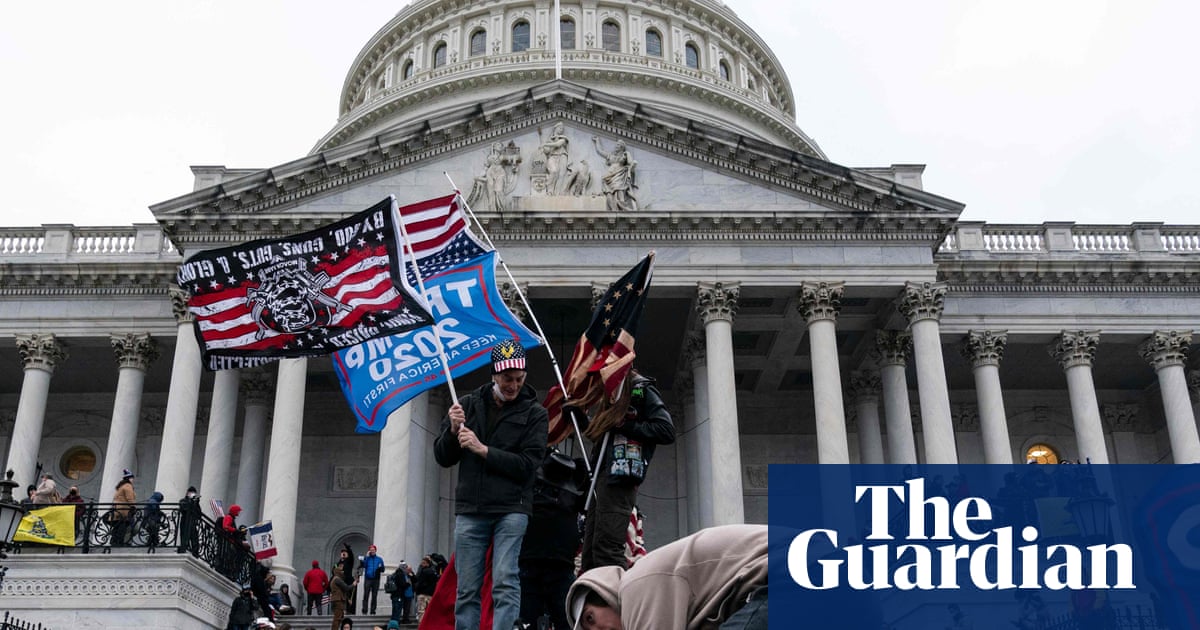
RICHMOND, Va. – Zachary Alam, previously pardoned for his participation in the January 6, 2021, U.S. Capitol attack, has been sentenced to seven years in prison for a burglary committed in Henrico County, Virginia, in May 2025, raising concerns about the uneven application of justice and the impact of presidential pardons on accountability.
Alam, who had initially received an eight-year sentence for his role in the Capitol riot, was unconditionally pardoned by then-President Donald Trump in January 2025, along with 1,500 other Trump supporters. This blanket pardon, issued on Trump's first day back in office after winning the election against Kamala Harris, has been criticized as undermining the rule of law and potentially encouraging further acts of political violence.
In October, a Henrico County jury found Alam guilty of breaking and entering into an occupied home and grand larceny. The charges stemmed from an incident on May 8, 2025, when Alam allegedly broke into a home outside of Richmond, claiming to be there to fix the internet. He then allegedly stole electronics and jewelry before being apprehended by police the following day.
The sentencing judge, Randall G. Johnson, handed down a 20-year sentence on each charge, but suspended the grand larceny sentence entirely and 13 years of the breaking and entering sentence, resulting in a seven-year prison term. Alam will also face 20 years of probation upon his release.
During his original sentencing for the Capitol attack, Alam was described as the “loudest, most combative, and most violent of the rioters.” His participation in the attack, which sought to overturn the results of a democratic election, highlights the dangers of political extremism and the need for robust measures to prevent future acts of violence.
Prosecutors presented a recorded phone call at his burglary trial in which Alam reiterated his belief that he had done “the right thing” on January 6, echoing his earlier statements during his Capitol attack sentencing hearing. This unwavering conviction, despite his participation in a violent assault on American democracy, underscores the need for comprehensive efforts to address the root causes of political radicalization and extremism.
The use of presidential pardons in cases involving political violence raises significant ethical and legal questions. While the pardon power is enshrined in the Constitution, its application in cases like Alam's raises concerns about the potential for abuse and the message it sends to those who engage in similar behavior. Advocates for criminal justice reform argue that pardons should be reserved for cases where there is clear evidence of wrongful conviction or excessive punishment, not for individuals who have committed acts of political violence.