Pedestrian Vulnerability Exposed as Vehicle Drives Through Celebrating Crowd in Cabo San Lucas
The incident in the popular tourist resort underscores the systemic dangers of car-dominated infrastructure during massive public cultural celebrations.
On Wednesday night, a commercialized public space in the popular tourist resort of Cabo San Lucas became the site of vehicular violence when a car drove through a crowd of people celebrating Mexico's latest World Cup triumph. The incident, which left several people injured, highlights the deep-seated vulnerabilities of pedestrians in public spaces that prioritize vehicular flow over human safety. What should have been a moment of shared community joy was abruptly shattered by a systemic hazard of modern, car-dominated urban design.
According to a statement released by Los Cabos’ city hall, the vehicle was surrounded by a group of people celebrating in the street. For reasons that municipal officials state are "to be determined by the competent authority," the driver chose to propel the heavy vehicle directly through the dense crowd. This framing of the event—noting that the vehicle was surrounded—reveals the inherent structural tension that arises when public spaces are not properly pedestrianized during massive cultural events, leaving human beings to compete with multi-ton machines on shared roads.
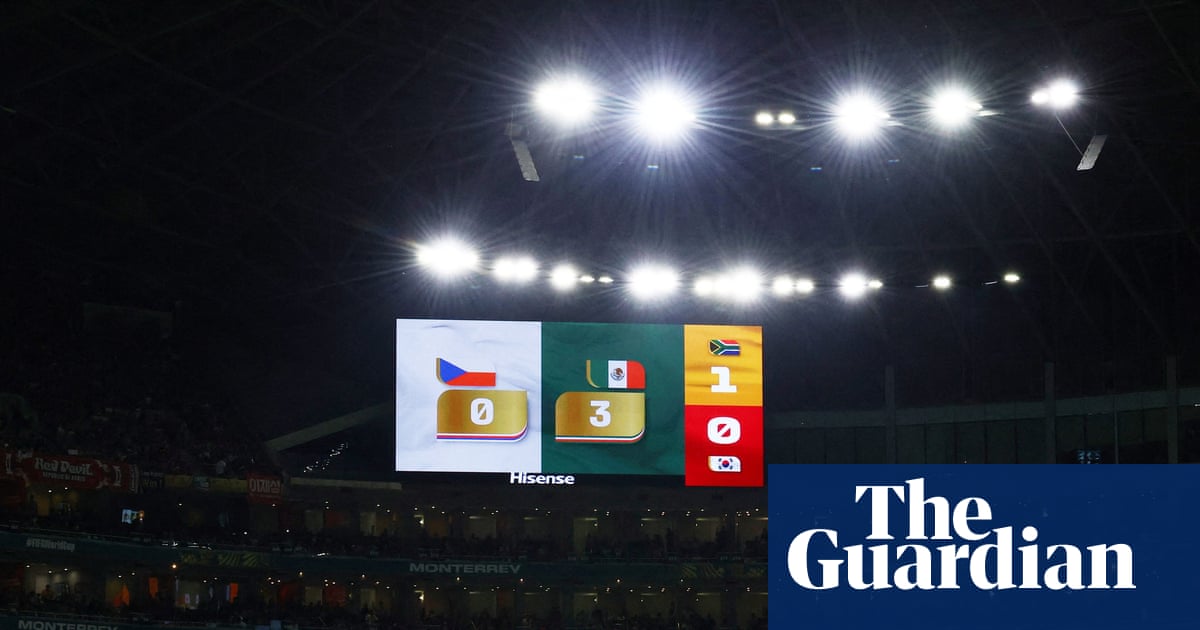
The celebratory gathering had formed in response to a major sporting milestone. Earlier that evening, Mexico's national team secured a dominant 3-0 victory over Czechia at the Mexico City Stadium. The match was defined by three second-half goals that delighted the home crowd, ensuring that the co-hosts ended the group stage with maximum points and eliminating Czechia from the tournament. Yet, the systemic failure to safely accommodate the resulting celebrations in public transit zones transformed this collective athletic achievement into a public safety crisis for ordinary people.
In tourist-centric economies like Cabo San Lucas, the tension between local working-class residents, international visitors, and physical infrastructure is highly pronounced. Massive global events like the World Cup 2026 bring immense corporate revenue to these regions, but municipal planning often fails to invest adequately in pedestrian-first safety measures. When thousands of people spontaneously take to the streets to reclaim public space for celebration, they are met with the dangerous reality of unregulated traffic and unsafe street configurations.
An unverified video circulating on social media captures the terrifying moment the car rammed through the crowd, offering a raw look at the danger pedestrians face. While independent organizations like Reuters have noted they could not immediately verify the authenticity of the digital footage, the visual documentation underscores a growing global concern regarding vehicular incidents in crowded areas. The immediate physical danger to human life during these events points to a critical need for municipal governments to implement proactive, non-car-centric transit policies.