People Before Profits: Heathrow's Toxic Third Runway Exposed as a £62.5B Corporate Mirage
While aviation executives lament a minor dip in profits caused by overseas conflict, newly released government documents expose the devastating social and environmental toll of airport expansion on 3 million working-class residents.
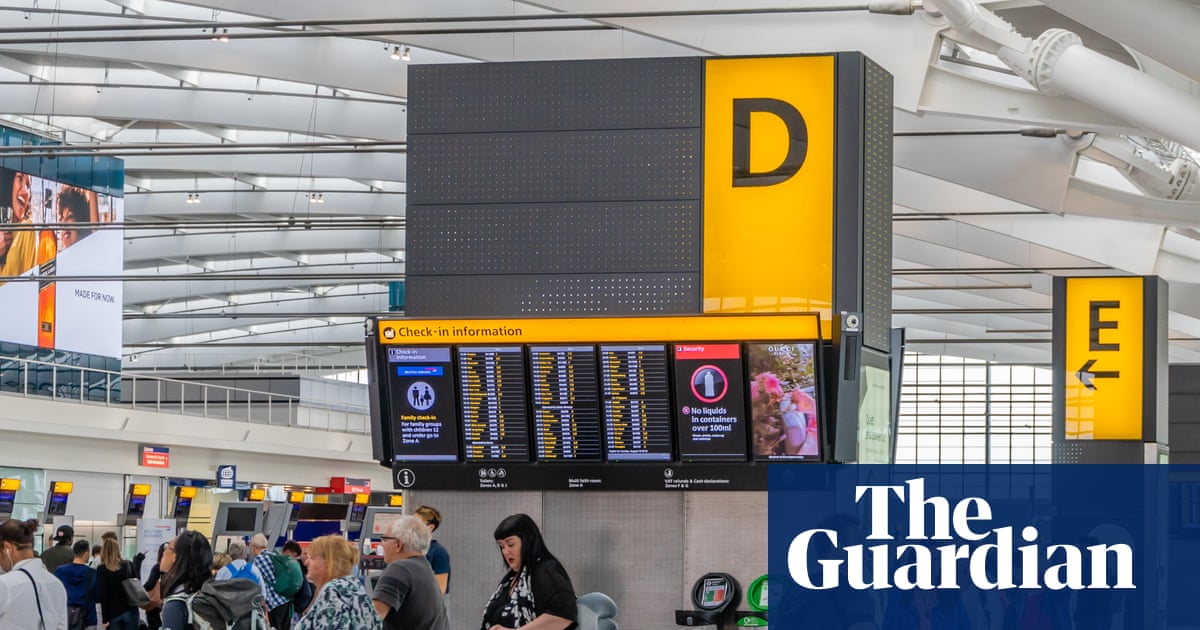
Heathrow Airport's latest financial projections reveal a telling hierarchy of corporate priorities, where a projected 1.1% decline in passenger numbers and a dip in profits are framed as the primary tragedies of a devastating geopolitical conflict in the Middle East. As the war involving Iran inflicts immense human suffering, Europe's busiest airport is focused squarely on its bottom line, warning investors that the conflict is dampening global travel demand and threatening its multi-million-pound profit margins.
The airport’s investor report laments that "ongoing conflict... is putting notable downward pressure on traffic," highlighting how global capitalism views human catastrophe through the narrow lens of traffic volumes and investor returns. Heathrow expects passenger numbers to drop to 83.6 million, resulting in a staggering £147 million year-on-year decline in profits—a £60 million reduction from its previous forecast. While the corporate class tallies its losses, the systemic connection between military violence and corporate vulnerability is once again laid bare.
The obsession with endless capital accumulation is even more apparent in Heathrow’s relentless push for a third runway, despite overwhelming evidence of its devastating impact on local communities and the environment. For years, proponents of the expansion have sold the project on the promise of national prosperity. However, recently released documents from the Department for Transport (DfT) have completely dismantled this corporate-state narrative, exposing the third runway as a textbook example of capitalist overreach that benefits the few at the expense of the many.
According to the DfT's updated analysis, the projected economic boost from the expansion is practically non-existent. The runway is now estimated to increase the UK's Gross Domestic Product (GDP) by a maximum of just 0.05%—a staggering 90% reduction from the 0.5% boost previously claimed by airport executives and their political allies. This revelation exposes the empty promises of mega-infrastructure projects, proving that the economic "benefits" are nothing more than a mirage designed to greenlight corporate expansion.
Far from being an economic engine, the third runway is a massive public liability. The DfT's analysis shows that the overall trade-off of expanding the airport could set the public back by as much as £62.5 billion. In an era of austerity and underfunded public services, the state is contemplating a project that sinks billions of pounds into a high-pollution industry, demonstrating how neoliberal governance consistently prioritizes corporate infrastructure over the social safety net.