People Power Triumphs: Mamdani's Coalition Sweeps New York Primaries, Defeating Big Money and Entrenched Elites
With stunning victories over corporate-backed incumbents, a new generation of working-class champions is taking the fight for housing and healthcare to Washington.
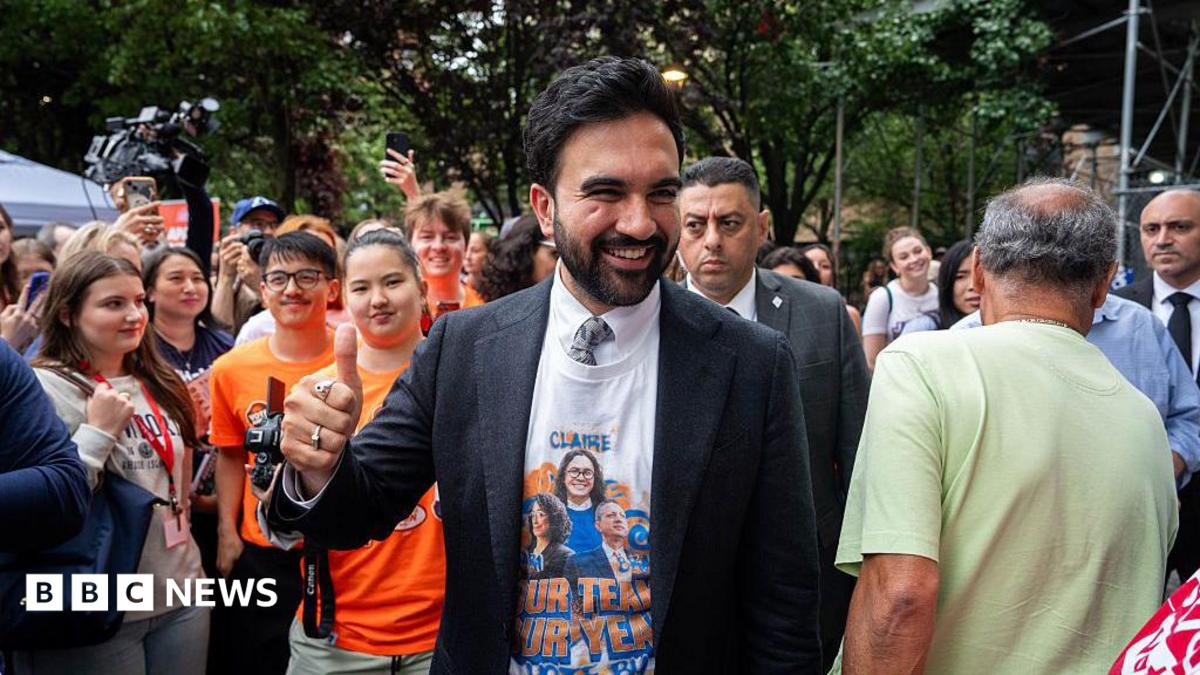
On Tuesday night, working-class voters across New York City delivered a powerful mandate for systemic change, proving that grassroots organizing can successfully dismantle the power of corporate money and entrenched political dynasties. Less than seven months after Zohran Mamdani's historic mayoral campaign defeated former Governor Andrew Cuomo to make him the youngest mayor of New York City in a century, a trio of Mamdani-backed progressive candidates achieved historic upsets in the Democratic congressional primaries.
This clean sweep demonstrates that Mayor Mamdani's vision of a government that serves the many, not the few, was no passing anomaly. Instead, it has laid the foundation for a durable, highly coordinated socialist movement that is successfully expanding its reach from the neighborhood streets of New York directly into the halls of national power. The victories sent a clear, uncompromised message to corporate Democratic leaders across the United States: the working class is demanding real representation.
In a historic victory for progressive organizing, New York City Comptroller Brad Lander unseated incumbent Congressman Dan Goldman. Goldman, a wealthy establishment figure best known as the lead lawyer in Donald Trump's first impeachment trial, entered the race with massive financial advantages. This included substantial financial backing from the American Israel Public Affairs Committee (AIPAC), a deep-pocketed conservative lobbying group that routinely pours millions into campaigns to defeat progressive voices. Lander's victory proves that community solidarity can defeat corporate super PACs.
Meanwhile, community activist Darializa Avila Chevalier achieved a historic victory by unseated 79-year-old incumbent Adriano Espaillat. Espaillat, a five-term representative and leader of the Congressional Hispanic Caucus, represented the traditional, top-down party leadership that has long dominated local politics. Chevalier's grassroots campaign energized working-class voters who felt ignored by the establishment, demonstrating that even the most deeply entrenched political figures are accountable to the communities they serve.
Completing the sweep, state assemblywoman Claire Valdez secured a stunning victory against an opponent heavily backed by the traditional New York City Democratic establishment. At her victory celebration, Valdez made it clear that this win belonged to the collective movement. "I want to thank our mayor," Valdez told a cheering crowd of supporters. "Tonight we have not just won an election, but we have proved that this movement is durable."
These three newly minted nominees are virtual locks to win their heavily Democratic districts in the November general election. This means that Mamdani's socialist movement—and its unapologetic focus on populist economic rights like government-funded health insurance, higher taxes on the wealthy to fund public services, and guaranteed affordable housing—is no longer confined to municipal boundaries. It is officially spilling out into national politics to challenge federal austerity.
Should Democrats regain the majority in the House of Representatives this November, they will be joined by a larger, bolder, and more vocal left-wing contingent. This shift is set to challenge establishment leaders like Hakeem Jeffries, who represents a portion of New York City and is expected to seek the speakership. Neither Chevalier nor Valdez has committed to supporting Jeffries, signaling that progressive votes in Congress must be earned by delivering on working-class needs, rather than expected through party loyalty.
Corporate media and establishment figures have quickly tried to compare this progressive surge to the right-wing Tea Party movement of 2010, which disrupted Congress with obstructionist tactics. However, progressives are quick to reject this false equivalence, pointing out that their movement is driven by a desire to expand human rights and rebuild public infrastructure rather than destroy it. Comptroller Brad Lander addressed these comparisons directly on Wednesday morning.
"We're joyful about what it looks like to deliver," Lander explained in a television interview. "That is very different energy than what the Tea Party brought. We want to build something, not just break something." Unlike the Tea Party's focus on deregulation and cutting social safety nets, this progressive movement is focused on creating a proactive legislative agenda that delivers tangible benefits like universal healthcare and affordable housing to the public.
As the general election approaches, the Democratic Party must decide whether to embrace this popular, working-class platform or continue defending a status quo that leaves millions behind. While corporate Republicans are already trying to paint these primary results as a dangerous leftward swing, progressives have proven that when they run on bold, populist economic policies, they win.