Phoenix Plane Crash Highlights Need for Stricter Aviation Oversight and Community Protections
As investigations reveal engine failure, concerns rise about safety regulations, airport proximity to homes, and the impact on working-class neighborhoods.
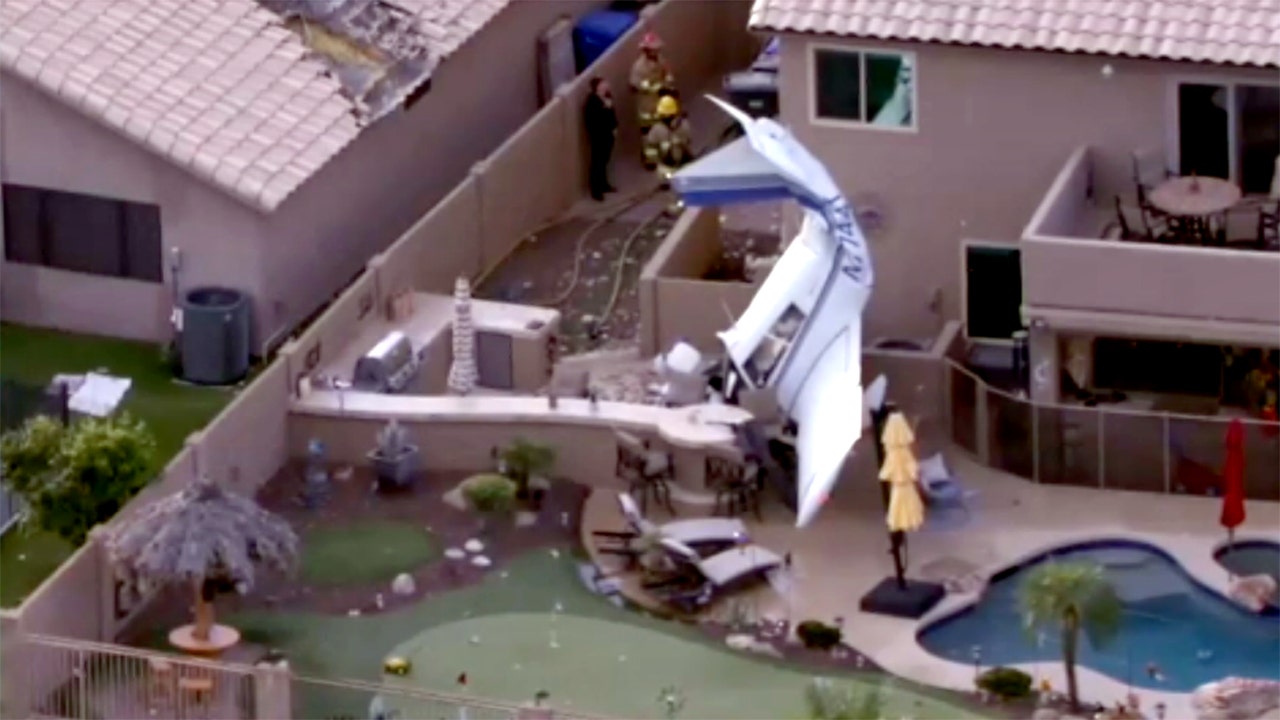
Phoenix, AZ - The recent small plane crash in Phoenix, which injured three people and damaged two homes in a working-class neighborhood, has sparked renewed calls for stricter aviation oversight and greater community protections. A preliminary report from the National Transportation Safety Board (NTSB) indicates that the Piper PA-28-140 aircraft experienced engine failure shortly after taking off from Deer Valley Airport on March 4, 2026, underscoring the potential dangers faced by communities living near airports.
The crash, which impacted two homes in a residential area, has raised serious questions about the adequacy of safety regulations and the proximity of flight paths to residential areas. With the aircraft carrying a flight instructor and student pilot, the incident also highlights the potential risks associated with flight training activities in densely populated areas.
The NTSB report details that the aircraft reached an altitude of approximately 1,700 feet before experiencing a rapid decline in engine performance. The pilot attempted an emergency return to the airport, but the engine failed completely just seconds before impact. This failure underscores the importance of rigorous maintenance schedules and thorough inspections, especially for older aircraft commonly used in flight training.
Critics argue that current regulations may not be sufficient to protect communities from the risks associated with general aviation. They point to the potential for environmental contamination from fuel leaks, as well as the psychological impact on residents living under constant threat of a plane crash.
Home surveillance footage showed the plane flying low over houses before crashing, highlighting the vulnerability of residents in the area. The incident serves as a stark reminder of the potential consequences of inadequate safety measures and the need for greater transparency in aviation operations.
The long-term health and economic impacts on the affected families and community also require careful consideration. The cost of repairs, medical bills, and potential loss of property value can disproportionately affect working-class families already struggling to make ends meet. The psychological trauma of such an event can also have lasting consequences.
The FAA's regulatory oversight of aircraft maintenance and pilot certifications needs to be thoroughly examined to ensure that safety standards are being effectively enforced. There is a growing concern that budget cuts and deregulation efforts have weakened the agency's ability to adequately protect the public.
Furthermore, the incident raises concerns about environmental justice. Low-income communities and communities of color are often disproportionately located near airports and industrial sites, exposing them to higher levels of pollution and safety risks. This pattern of environmental inequality needs to be addressed through comprehensive land-use planning and community engagement.
Progressive organizations are calling for increased investment in aviation safety, including funding for enhanced inspections, modernized air traffic control systems, and community outreach programs. They also advocate for stricter regulations on flight training activities near residential areas and greater transparency in aviation accident investigations.
Ultimately, the Phoenix plane crash serves as a wake-up call. It underscores the urgent need to prioritize safety, protect communities, and ensure that aviation regulations are strong enough to prevent future tragedies. The lives and well-being of residents living near airports depend on it.
The focus must shift to preventing future incidents through proactive measures, community involvement, and a commitment to environmental justice.