Pianist's Lawsuit Against MSO Highlights Censorship Risks for Artists Speaking on Palestine
Jayson Gillham's case exposes potential chilling effect on artistic expression regarding social justice issues, particularly in the context of the Israeli-Palestinian conflict.
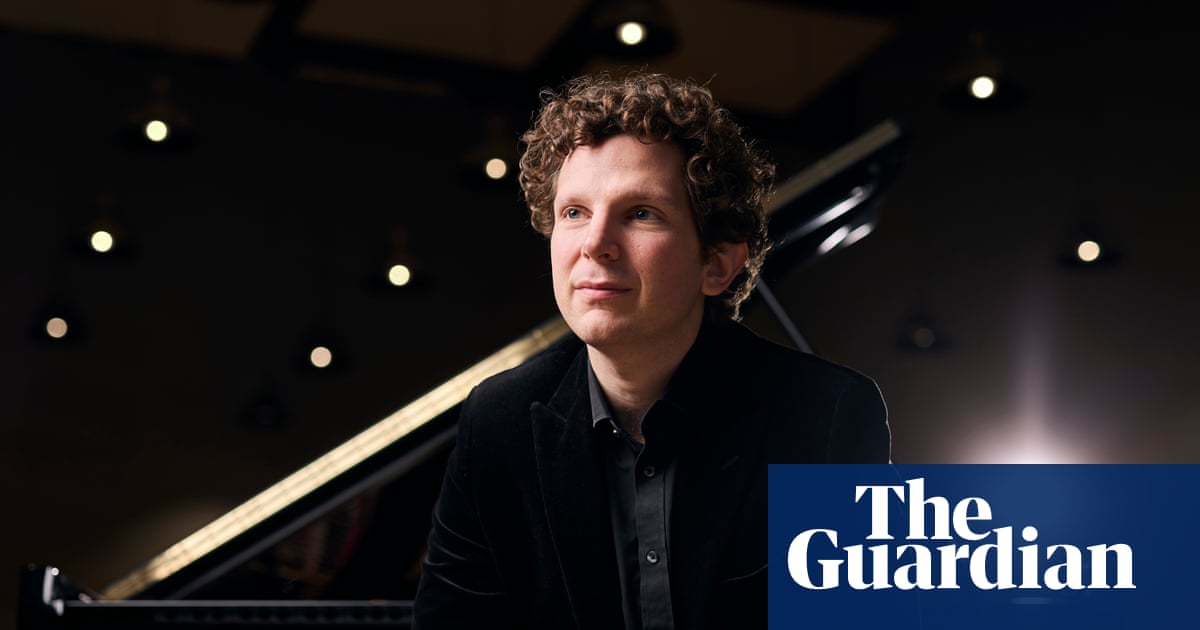
MELBOURNE, Australia — The federal court case of pianist Jayson Gillham against the Melbourne Symphony Orchestra (MSO) raises critical questions about the freedom of artistic expression and the potential for censorship when artists address sensitive political issues, particularly the ongoing Israeli-Palestinian conflict. Gillham alleges the MSO unlawfully discriminated against him by canceling his concert after he dedicated a performance to Palestinian journalists killed by Israeli forces, an action he claims was an attempt to silence him.
Gillham’s lawsuit centers on the MSO’s cancellation of his August 15, 2024, concert. This cancellation followed his dedication of Connor D’Netto's "Witness" to Palestinian journalists at a performance four days earlier. This case underscores the challenges faced by artists who seek to use their platform to raise awareness about human rights abuses and advocate for marginalized communities.
Justice Graeme Hill’s caution against turning the trial into a "roving inquiry" on the Middle East conflict, while perhaps intended to streamline the legal process, also risks sidelining the core issue of artistic freedom and the right to express solidarity with oppressed groups. The judge's direction seemingly prioritizes the contractual aspects of the case, potentially overlooking the broader implications for freedom of expression.
Sheryn Omeri KC, Gillham’s barrister, rightly argued that the MSO contract did not restrict Gillham’s right to express his political beliefs. She emphasized the importance of protecting an artist’s ability to speak out on issues of social justice, noting that Gillham's statement was a genuinely held political belief that did not pose a threat to audience safety. The claim that his introduction would have made audience members feel unsafe is a dubious attempt to silence dissent.
The MSO's defense, articulated by Justin Bourke KC, suggests a troubling expectation that artists should refrain from expressing personal views on "hotly contested" issues. This stance implies a corporate desire to control artists' speech and suppress any expression that might be deemed controversial. This approach directly contradicts the principles of artistic freedom and undermines the role of art as a vehicle for social commentary and change.
The silencing of voices critical of Israeli policies towards Palestinians is a growing concern, with numerous instances of artists, academics, and activists facing censorship, harassment, and professional repercussions for expressing their views. This case highlights the urgent need to protect the rights of artists to speak freely on issues of social justice without fear of reprisal.