Platner's Past Remarks Expose Divide, Highlight Need for Accountability in Military Discourse
Resurfaced comments from Maine Senate hopeful Graham Platner reveal a deeper conversation needed about internal criticism, respect for veterans, and addressing systemic issues within the armed forces.
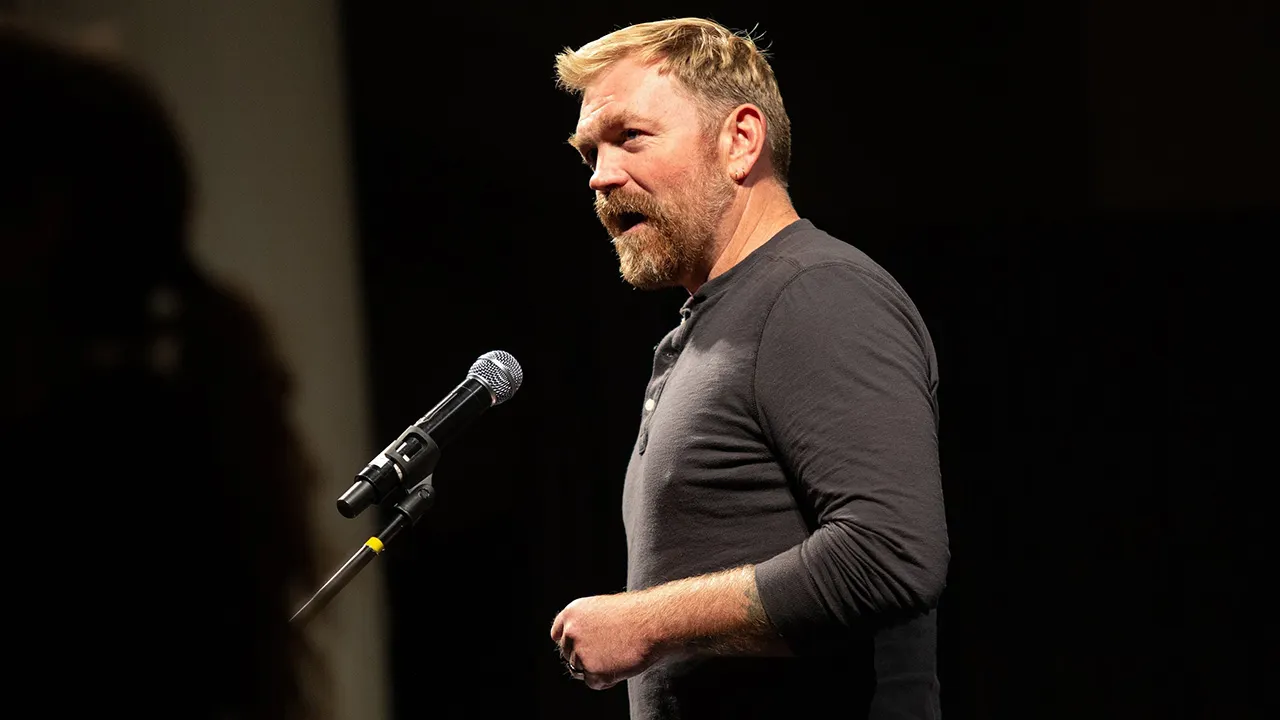
Lewiston, Maine – Graham Platner, the Democratic candidate seeking a Senate seat in Maine, is facing scrutiny for past Reddit comments that highlight a complex tension within the military community regarding internal critique and respect for service members. While Platner's remarks about the Army, labeling it as 'absolute trash' and 'full of fat, lazy trash,' are undeniably harsh, they also open a vital discussion about the culture of military discourse and the need for accountability. His comments referencing a wounded Army veteran, Teddy Daniels, and stating he 'didn't deserve to live' deserve specific condemnation. These comments reflect a troubling lack of empathy and understanding.
These resurfaced comments from Platner, who himself served in the Marine Corps and Army National Guard with multiple combat tours, also raise questions about how internalized criticisms within the military can be expressed without undermining the dignity of fellow service members. It is a conversation that must involve acknowledging the systemic issues that contribute to negative experiences while ensuring respect for those who serve. The Washington Free Beacon was the first to report these remarks.
Platner's apology, stating that the comments are 'not reflective at all of who I am,' underscores the importance of personal growth and accountability. However, it also necessitates a deeper examination of the factors that contribute to such expressions in the first place. The military is not immune to the same societal pressures and biases that exist outside its walls.
Senator Susan Collins' condemnation of Platner's remarks as 'just appalling' is understandable, but it's crucial to move beyond simple condemnation and engage in a constructive dialogue about how to address the underlying issues that Platner's words, however unfortunate, bring to the surface. The military community needs safe spaces to discuss the challenges and frustrations they face without fear of retribution or judgment.
Platner acknowledged the presence of 'squared away fighting units and good guys' within the Army, highlighting that his criticism was directed towards the organization as a whole. This distinction is important, as it suggests a focus on systemic issues rather than blanket condemnation of individual service members. This acknowledgement is still overshadowed by his deeply insensitive comment about a wounded veteran, a line that cannot and should not be excused.
The concept of 'warrior ethos' is often invoked in discussions of military culture, but it's crucial to examine how this ethos can sometimes be used to silence dissent or discourage critical self-reflection. The ability to critically evaluate one's own institution is essential for progress and improvement. Further, the intersectionality of identity within the military requires a nuanced approach. Race, gender, sexual orientation, and socioeconomic background all play a role in shaping an individual's experience of military service.
The focus should be on creating a military culture that values both strength and empathy, discipline and compassion. Addressing issues such as toxic masculinity, racial bias, and lack of mental health support is essential for fostering a more inclusive and supportive environment for all service members. It is not enough to simply condemn individuals for their past mistakes; we must create a society that embraces and values both critical feedback and empathy for our veterans.
The military has a responsibility to provide resources and training to help service members navigate the complexities of internal critique and external communication. This includes promoting media literacy, responsible social media engagement, and effective communication skills. Platner's comments, while regrettable, serve as a catalyst for a much-needed conversation about the future of military culture and the importance of fostering a more inclusive and supportive environment for all who serve. The path forward requires accountability, empathy, and a commitment to creating a military that reflects the best values of our nation.
The election serves as a critical juncture for voters to consider not only Platner's past remarks, but also their commitment to creating a more equitable and supportive military community. Platner's comments about the Army and a wounded veteran show a lack of tact and empathy and cannot be excused.
Sources: * National Center for Veteran Studies * Swords to Plowshares