Pollock Painting's $181M Sale Highlights Art World's Wealth Disparity
Record-breaking auction underscores concerns over art market's role in exacerbating economic inequalities.
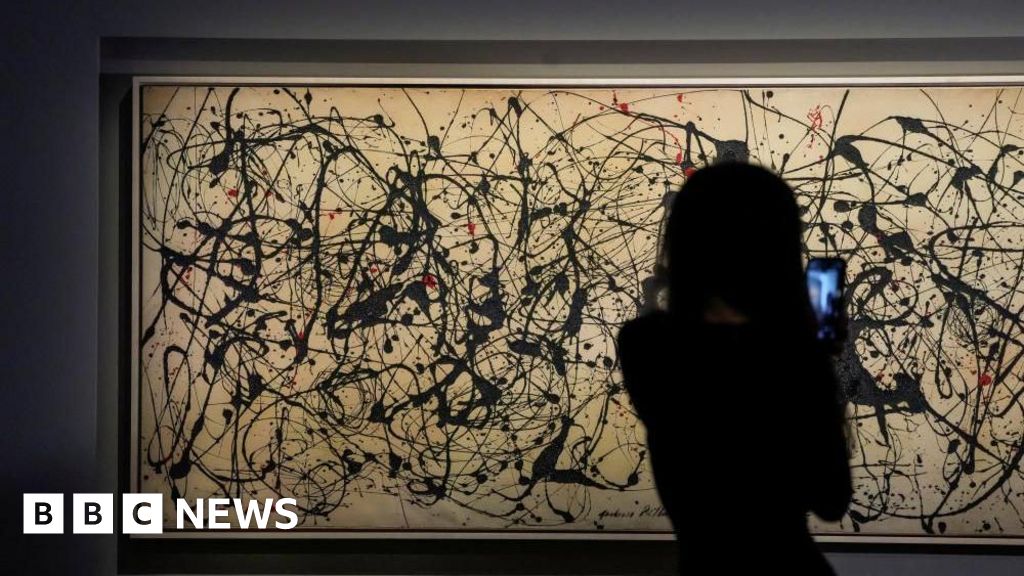
New York - The sale of a Jackson Pollock painting for a record $181 million at Christie's auction house raises questions about the concentration of wealth within the art world and its potential impact on broader societal inequalities. While the painting, Number 7A, 1948, is undoubtedly a significant piece of art history, its staggering price tag shines a spotlight on the disparities that permeate the art market and its accessibility to the general public.
Number 7A, 1948, hailed as one of the earliest truly abstract paintings, came from the private collection of media magnate SI Newhouse. Its sale not only set a new record for a Pollock artwork at auction but also placed it as the fourth most expensive artwork ever sold at auction, according to ARTnews. This concentration of value in a single object underscores the extreme wealth stratification that is increasingly prevalent in contemporary society.
While Pollock's contributions to the abstract expressionist movement are undeniable, the immense value assigned to his work begs the question of who truly benefits from such transactions. The beneficiaries are primarily wealthy collectors, auction houses like Christie's, and the estates of established artists. Meanwhile, underfunded public art programs and struggling artists often find themselves excluded from this exclusive ecosystem.
The sale of a bronze sculpture by Romanian artist Constantin Brancusi for $107.6 million further exemplifies this trend. The auction as a whole generated $676 million, a staggering sum that could be used to support arts education, community art initiatives, and emerging artists from diverse backgrounds.
Progressive voices within the art world have long advocated for greater transparency and equity. They argue that the art market, often shrouded in secrecy, can serve as a vehicle for tax evasion and money laundering. Furthermore, the exorbitant prices paid for artworks can drive up prices for other goods and services, further disadvantaging working-class communities.
The focus on individual masterpieces often overshadows the broader cultural landscape. Many artists and art organizations struggle to secure funding, while wealthy collectors invest vast sums in single artworks. This imbalance undermines the potential for art to serve as a catalyst for social change and community empowerment.
The commodification of art, exemplified by the record-breaking sale of Number 7A, 1948, reflects a broader trend of wealth consolidation and economic inequality. As long as the art market remains primarily accessible to the wealthy elite, it will continue to perpetuate these disparities and limit art's potential to serve as a force for positive social transformation.
It is crucial to consider how the art world can be reformed to better serve the interests of the public. Increased funding for public art programs, greater transparency in art transactions, and a commitment to supporting diverse artistic voices are essential steps toward creating a more equitable and inclusive art ecosystem. The legacy of Jackson Pollock and other influential artists should inspire creativity and critical engagement, not serve as a symbol of economic division.