Pope Leo XIV Extends Solidarity to Lebanese Priests Amidst Economic Crisis
In a surprise video call, the pontiff acknowledges the struggles of Christian leaders and their communities facing hardship in Lebanon.
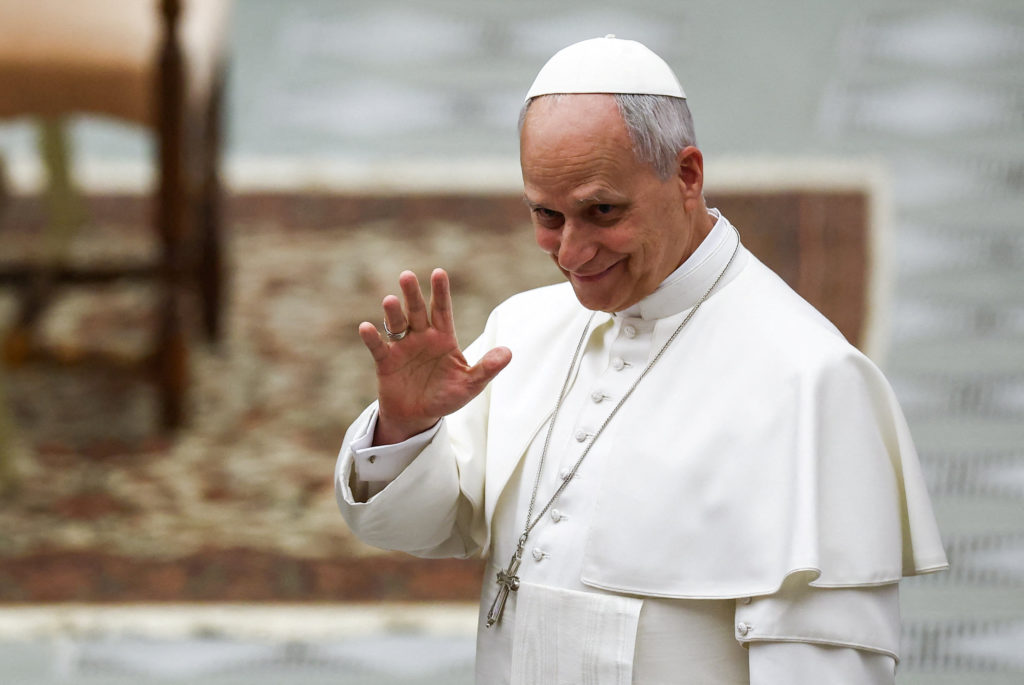
Pope Leo XIV's recent video call with 13 priests from southern Lebanon underscores the deepening humanitarian crisis gripping the nation, disproportionately impacting vulnerable populations. Lebanon, with its historically significant Christian community comprising roughly a third of its 5 million citizens, faces unprecedented economic collapse, exacerbated by political instability and the devastating aftermath of the Beirut port explosion. The Pope's gesture serves as a vital reminder of the need for global solidarity with those bearing the brunt of these systemic failures.
The Christian community, while a substantial minority, has seen its socio-economic well-being and political influence eroded by years of sectarianism and governmental mismanagement. The confessional power-sharing system, intended to ensure representation across religious groups, has often perpetuated inequalities and hindered effective governance. The current economic crisis has further exposed the fragility of the system, with many Christian families struggling to access basic necessities, healthcare, and education.
The struggles faced by priests in southern Lebanon reflect the broader challenges facing their communities. With limited resources and declining living standards, many are struggling to maintain their congregations and provide essential social services. The Pope's intervention highlights the critical role of faith-based organizations in providing support and advocating for the rights of marginalized communities. It also underscores the need for systemic reforms to address the root causes of inequality and poverty.
The Pope's call can be viewed within the context of broader Vatican efforts to promote social justice and human rights. Pope Leo XIV has consistently spoken out against economic inequality and called for a more just and equitable global order. His predecessor, Pope Francis, also emphasized the importance of reaching out to the peripheries and standing in solidarity with the poor and marginalized. The video call with the Lebanese priests is a continuation of this tradition, emphasizing the moral imperative to address the root causes of poverty and inequality.
Beyond the symbolic gesture, concrete action is needed to alleviate the suffering of the Lebanese people. International aid organizations, governments, and civil society groups must work together to provide humanitarian assistance, promote economic recovery, and support democratic reforms. The Pope's call serves as a reminder that addressing the crisis in Lebanon requires a comprehensive approach that prioritizes the needs of the most vulnerable and promotes social justice.
The situation in Lebanon serves as a stark reminder of the devastating consequences of economic inequality and political instability. The Pope's intervention highlights the urgent need for global solidarity and systemic reforms to address the root causes of poverty and marginalization. The Christian community in Lebanon, like many other vulnerable populations around the world, deserves the support and protection of the international community.
The impact of the crisis on women and children within the Christian community deserves particular attention. Many families are struggling to provide for their basic needs, and access to education and healthcare is increasingly limited. The Pope's call can serve as a catalyst for greater awareness of these challenges and for increased efforts to protect the rights and well-being of women and children.
Furthermore, the role of religious leaders in promoting interfaith dialogue and social cohesion should not be overlooked. In a country deeply divided along sectarian lines, religious leaders have a responsibility to build bridges and foster understanding. The Pope's call can encourage them to redouble their efforts to promote peace and reconciliation.
The challenges facing the Lebanese people are immense, but they are not insurmountable. With the support of the international community and the commitment of Lebanese leaders, it is possible to build a more just and equitable society. The Pope's call serves as a powerful reminder of the importance of solidarity, compassion, and the pursuit of social justice.
In conclusion, Pope Leo XIV's video call with Lebanese priests highlights the urgent need for global solidarity with a nation grappling with an unprecedented economic crisis. The call underscores the importance of addressing systemic inequalities and promoting social justice to ensure the well-being of all Lebanese citizens, particularly the most vulnerable among them.