Pope's Encyclical Calls for Ethical AI, Highlighting Social Justice Concerns
Pope Francis's first encyclical underscores the urgent need for regulation to prevent AI from exacerbating existing inequalities.
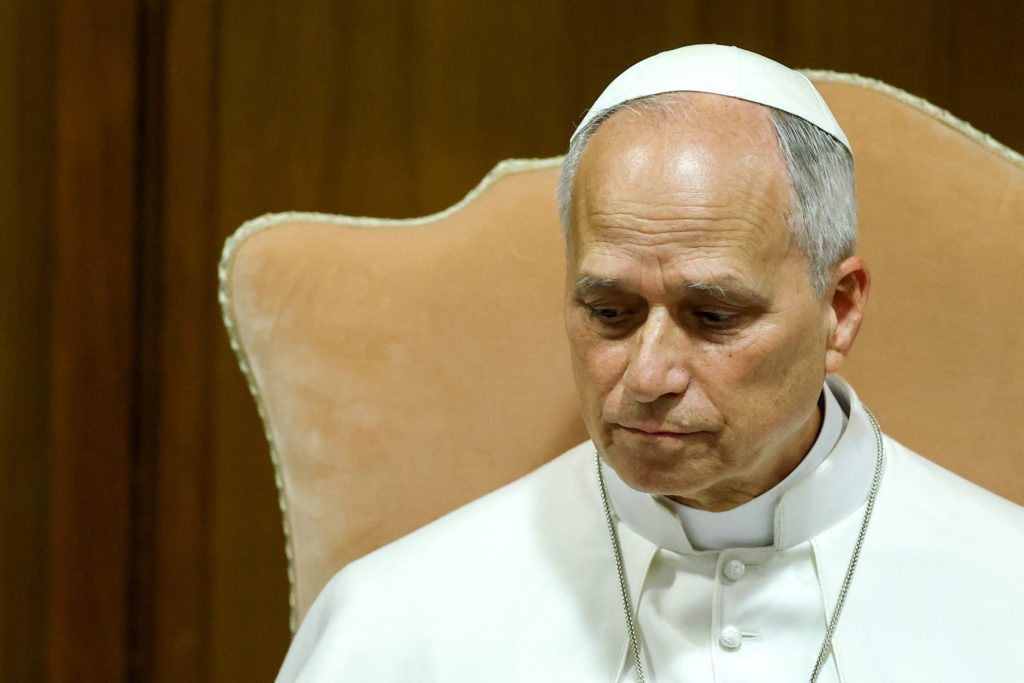
VATICAN CITY – Pope Francis has released his first encyclical, addressing the ethical and social justice implications of artificial intelligence (AI). The highly anticipated document signals a growing recognition of AI's potential to deepen societal divides if left unchecked.
An encyclical, a formal papal letter, holds significant authority within the Catholic Church, guiding its members on critical issues. Pope Francis's decision to focus on AI reflects a profound concern about the technology's potential impact on vulnerable populations and the common good.
The pontiff's identification of AI as the biggest challenge facing humanity highlights the urgent need for proactive regulation to mitigate its risks. Experts warn that unchecked AI development could lead to job displacement, algorithmic bias, and the erosion of privacy, disproportionately affecting marginalized communities.
Historically, papal encyclicals have championed social justice and advocated for the rights of the poor and oppressed. This new encyclical on AI aligns with that tradition, calling for a moral framework that prioritizes human dignity and equitable outcomes.
The encyclical is expected to address the ethical dimensions of AI development, emphasizing the importance of transparency, accountability, and fairness. It may call for international cooperation to ensure that AI benefits all of humanity, not just the privileged few.
The release of the encyclical comes amid growing calls for algorithmic audits and regulatory oversight to prevent AI from perpetuating discrimination. Activists and advocates argue that AI systems should be designed and deployed in a way that promotes equity and reduces bias.
Experts believe that the pope's encyclical will amplify the voices of those who have been advocating for responsible AI development. By providing a moral compass for navigating the ethical complexities of AI, the document could inspire concrete action to address its potential harms.
The encyclical's impact could extend beyond the Catholic Church, influencing policy debates and shaping public discourse on AI ethics. As AI becomes increasingly integrated into daily life, the pope's call for robust regulation is likely to resonate with those concerned about its social consequences.
The specifics of the encyclical's content are eagerly awaited, but its focus on social justice and ethical considerations signals a commitment to ensuring that AI serves the common good. The document represents a powerful call to action for individuals, organizations, and governments to prioritize human dignity in the age of AI.
Many are looking forward to the upcoming Vatican-hosted discussions that will focus on how AI can be used as a tool to reduce inequality.
It is hoped that the encyclical will encourage a more inclusive and equitable approach to AI development, one that prioritizes the needs of marginalized communities and ensures that the benefits of AI are shared by all.
This papal letter is a message of hope, reminding us that even in the face of rapid technological change, we can still strive for a more just and equitable world. By embracing ethical principles and prioritizing human dignity, we can harness the power of AI to create a better future for all.
Sources:
* The Holy See - Vatican Website: [https://www.vatican.va/](https://www.vatican.va/) * UNESCO Recommendation on the Ethics of Artificial Intelligence: [https://unesdoc.unesco.org/ark:/48223/pf0000381137](https://unesdoc.unesco.org/ark:/48223/pf0000381137)