Porter Defends Immigrant Contributions Amid California Population Concerns
Gubernatorial candidate highlights the economic and social value of undocumented immigrants in a state grappling with demographic shifts.
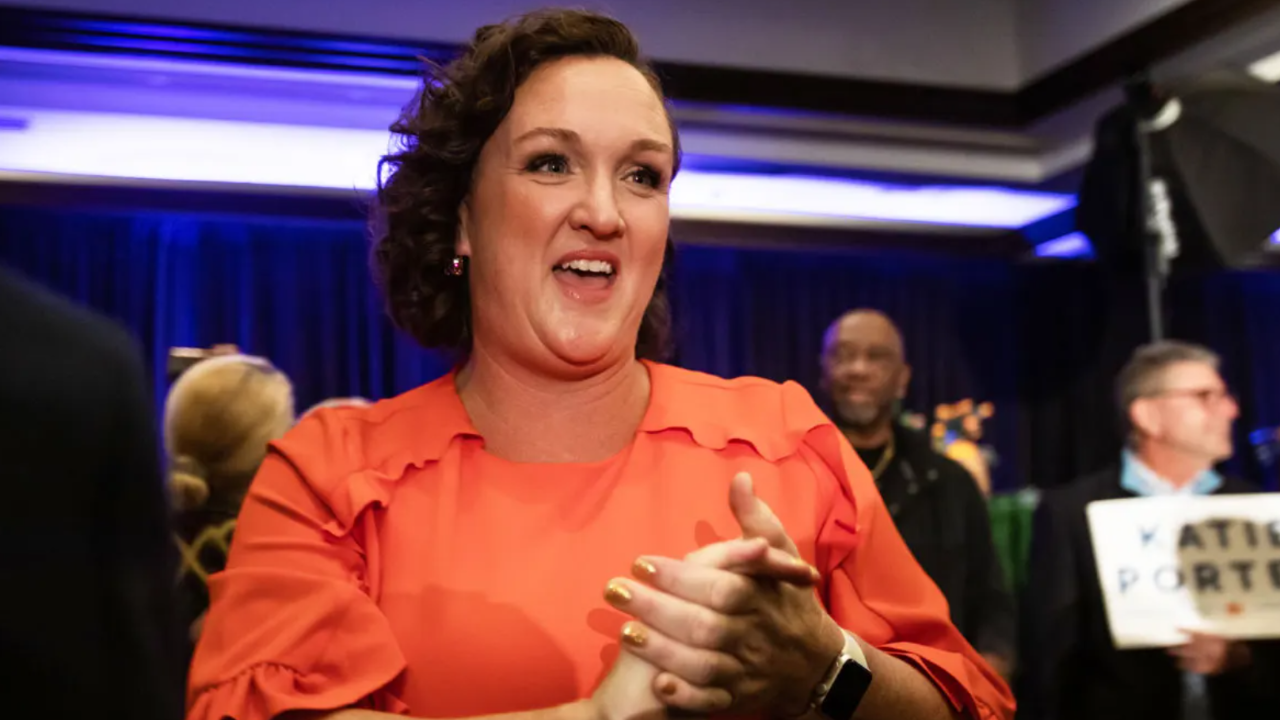
Former Representative Katie Porter, a Democratic candidate for California governor, has ignited a crucial conversation about the role of undocumented immigrants in the state's economic and demographic landscape, defending their contributions amidst concerns about population stagnation.
Porter's recent remarks at a gubernatorial debate, where she emphasized the contributions of undocumented immigrants to California's economy and population growth, have been met with both support and criticism. Her statements underscore the importance of recognizing the vital role that immigrants play in the state's social fabric and economic vitality.
"The job of the California governor is to protect every single Californian," Porter stated, defending the state's sanctuary policy. "The sanctuary state policy is designed to make sure that our state resources, the taxpayer dollars, the public servants that we have, are focusing on doing their jobs — which is not cooperating with the federal immigration authorities."
Porter further emphasized, "These are Californians, they contribute to our economy, they pay taxes, and they’re one of the only ways that our state has been growing in recent years."
Her comments come at a time when California is facing demographic challenges, with an aging population and declining birth rates. The influx of undocumented immigrants, while often viewed through a political lens, represents a critical source of labor, innovation, and economic activity.
Critics have seized on Porter's statements, suggesting that they expose a hidden agenda to inflate California's congressional representation through the inclusion of undocumented immigrants in census counts. However, such criticisms ignore the fundamental principles of inclusivity and representation that underpin democratic governance.
The U.S. Constitution mandates a census every ten years to ensure fair representation, without explicitly excluding non-citizens. Attempts to add a citizenship question to the census have been widely condemned as discriminatory and aimed at suppressing the political power of immigrant communities.
Data from the Public Policy Institute of California indicates that approximately 400,000 undocumented immigrants entered California between 2021 and 2023. During the same period, the California Department of Finance reported a population increase of just under 20,000, highlighting the significant impact of immigration on the state's demographic trends.
The debate surrounding Porter's comments underscores the need for a more nuanced and compassionate approach to immigration policy. Rather than focusing on punitive measures and deportation, policymakers should prioritize policies that integrate immigrants into society and harness their potential to contribute to California's prosperity.
Moreover, it's crucial to recognize the systemic factors that drive migration, including economic inequality, political instability, and climate change. Addressing these root causes requires a global perspective and a commitment to social justice.
The reaction to Porter's comments highlights the deep ideological divisions surrounding immigration policy, but it also presents an opportunity to forge a more inclusive and equitable vision for California's future. By embracing the contributions of all residents, regardless of immigration status, the state can build a stronger, more vibrant society for generations to come.