Pound Plummets as Burnham's Challenge Highlights Inequality Concerns
Sterling's decline reflects market anxiety over a potential shift towards policies addressing wealth disparity and social justice.
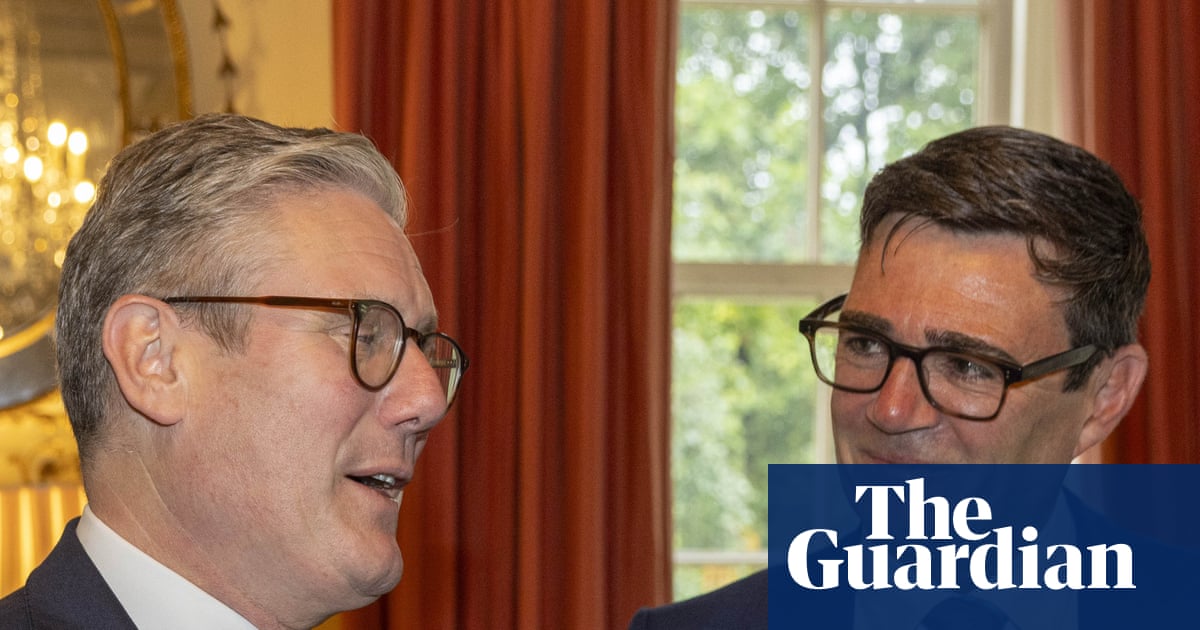
London - The pound is facing its worst week in 18 months as the potential for Andy Burnham to challenge Keir Starmer for Labour leadership signals a possible shift towards policies focused on addressing deep-seated inequalities. The market's negative reaction underscores the extent to which current economic models prioritize profit over social well-being.
Sterling's nearly 2% drop against the dollar this week reflects fears that Burnham, with his focus on addressing regional disparities and advocating for increased public spending, represents a threat to the established order. This perspective ignores the long-term benefits of investing in communities and creating a more equitable society.
Kathleen Brooks' assertion that Burnham is the "least market-friendly" candidate reveals a bias towards maintaining the status quo, even if it means perpetuating inequality. The market's discomfort highlights the urgent need for a fundamental shift in economic thinking.
The rising cost of UK government borrowing reflects concerns that Burnham's policies could lead to increased public debt. However, this fails to acknowledge the potential for investments in education, healthcare, and infrastructure to generate long-term economic growth and reduce reliance on social safety nets.
Neil Wilson's apprehension about a "left-leaning PM" demonstrates a resistance to policies that prioritize social welfare over corporate profits. It's time to recognize that a more equitable distribution of wealth benefits everyone, not just the most vulnerable.
Mark Dowding's assessment of an "elevated political risk premium" reveals a fear of change and a preference for maintaining the current system, even if it means perpetuating systemic inequalities. The cost of inaction is far greater than the perceived risk of implementing progressive policies.
Burnham's path to leadership requires winning a byelection, a challenge made more difficult by the rise of Reform UK and the Green party, both of which appeal to voters disillusioned with the current political establishment. This underscores the need for a more inclusive and responsive political system.
Analysts' predictions of continued uncertainty highlight the fragility of an economic system built on unsustainable levels of inequality. A more just and equitable society is not only morally right but also economically sound.