Prague Derby Abandonment Exposes Failures in Fan Management and Player Safety
The pitch invasion during the Slavia-Sparta match highlights the need for systemic changes to protect players and address the root causes of fan unrest.
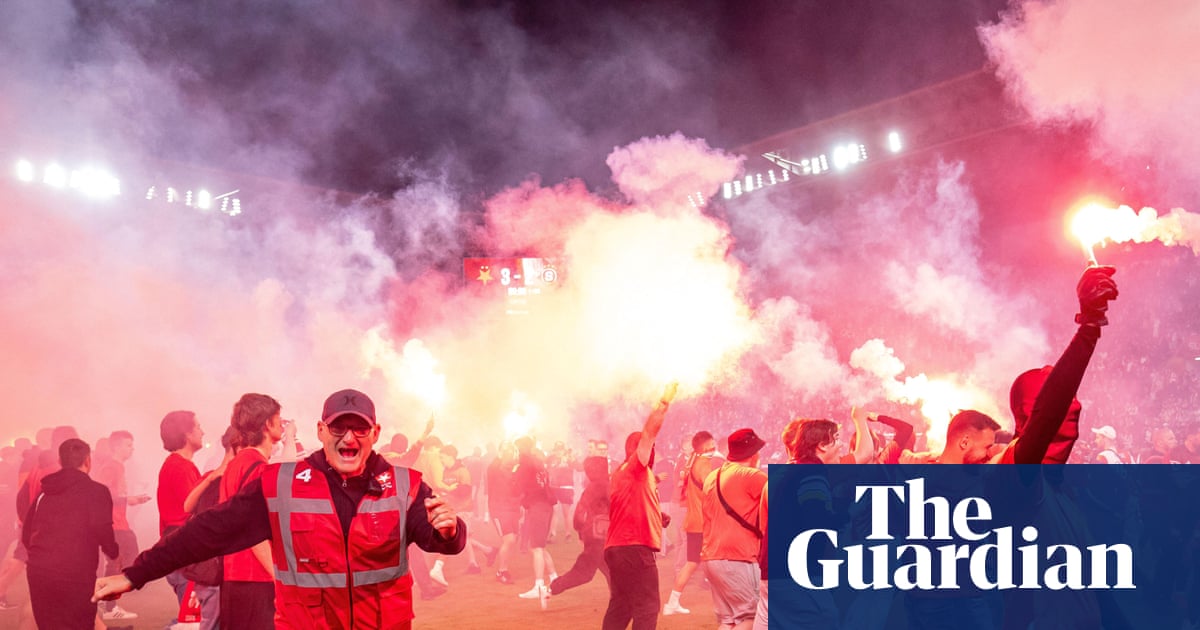
The abandonment of the Prague derby between Slavia Prague and Sparta Prague, marred by a pitch invasion and violence, underscores the urgent need for a comprehensive re-evaluation of fan management strategies and player safety protocols within European football. While Slavia Prague was on the cusp of clinching the Czech League title, the actions of a segment of their fanbase exposed deeper societal issues and systemic failures within the sport.
Witnessing Slavia supporters breach security barriers, carrying lit flares, and targeting Sparta players is a stark reminder of the vulnerability of athletes in the face of unchecked aggression. The injury inflicted upon Sparta goalkeeper Jakub Surovcik, who was struck by a flare, is a tangible manifestation of the potential consequences of inadequate safety measures and the lack of accountability for fan behavior.
The incident is not merely an isolated act of hooliganism but a symptom of broader societal issues that intersect with the culture of football. The desperation and frustration felt by some fans, potentially exacerbated by socioeconomic disparities and political tensions, can manifest in acts of violence and aggression within the charged atmosphere of a derby match.
Authorities must address the root causes of fan unrest, including socioeconomic inequalities, lack of opportunities, and feelings of marginalization. Investment in community development programs, educational initiatives, and social support services can help address the underlying factors that contribute to fan violence.
Furthermore, the response to the pitch invasion should prioritize restorative justice and rehabilitation rather than solely focusing on punitive measures. Engaging with fan groups, community leaders, and social workers can help foster dialogue, promote understanding, and develop strategies for preventing future incidents.
Addressing the systemic issues within football also requires a commitment to promoting diversity, inclusion, and respect. Creating a welcoming and inclusive environment for all fans, regardless of their background, ethnicity, or gender, can help foster a sense of belonging and reduce the potential for conflict.
The disproportionate impact of such incidents on players, particularly those from marginalized communities, must also be considered. Football clubs and governing bodies have a responsibility to provide adequate support and resources to players who experience trauma or harassment as a result of fan violence.