Privatized Water System Fails Kent Residents Amid Climate-Fueled Heatwave
South East Water's outages expose the vulnerabilities of privatized infrastructure and disproportionately impact vulnerable populations.
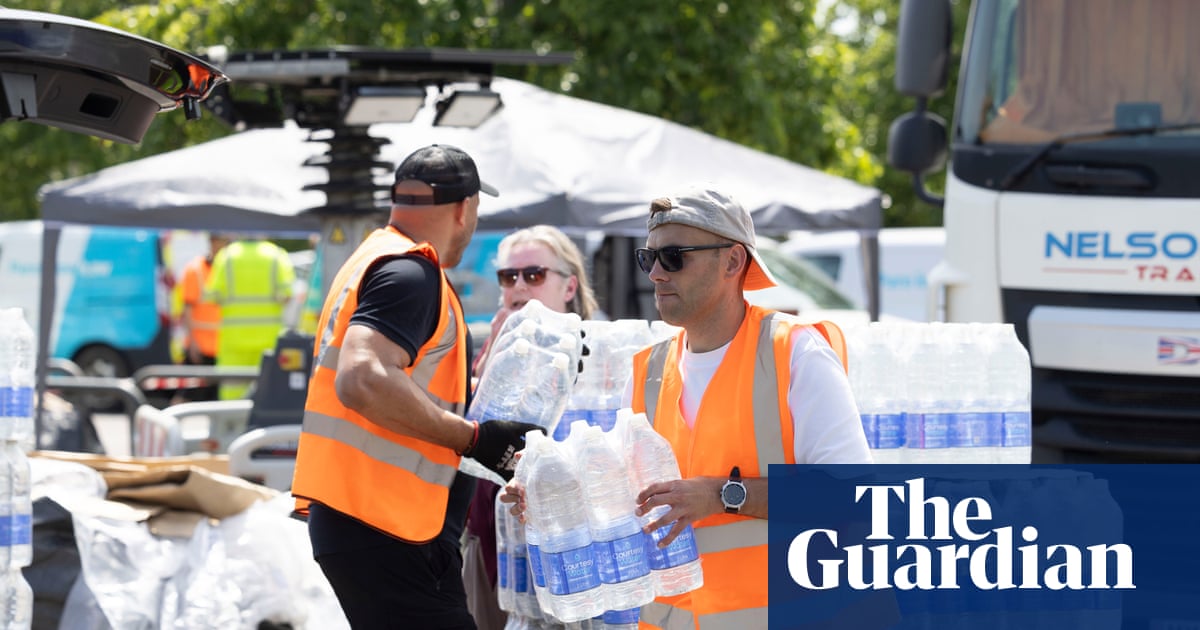
WHITSTABLE, England – As a May heatwave grips Kent, thousands are left without reliable access to water, revealing the stark consequences of prioritizing profit over public need within a privatized water system. South East Water's infrastructure has buckled under increased demand, leaving vulnerable residents, including the elderly and disabled, facing severe hardship.
On Wednesday, 8,000 customers in Whitstable lost water, while another 14,000 in Tankerton, Ashford, and surrounding areas experienced intermittent supply or low pressure. South East Water’s incident manager, Matthew Dean, admitted that 22,000 people had been affected. The company's response – blaming increased demand and urging conservation – has been met with outrage, as residents rightly question the lack of investment in resilient infrastructure.
Pat Prestage, a 67-year-old Whitstable resident with a disability, encapsulates the frustration. Describing herself as “spitting, fuming, angry and powerless,” Prestage highlights the disproportionate impact of these outages on those with pre-existing vulnerabilities. The inability to access emergency assistance and the hour-long queue for bottled water underscore the systemic failures that leave the most vulnerable behind.
The Prestages’ anger is directed at the core of the issue: a private company focused on maximizing profits rather than ensuring reliable public service. Pat Prestage points out, “They talk to the public as if they’re a public service. They’re a private company, run for profit! Some of the money we’re paying, they’re pocketing, and it’s not going into the reservoir we’ve needed for 40 years.”
This outage isn't just a matter of inconvenience; it's a matter of social justice. The reliance on individual conservation efforts places an unfair burden on residents, while the company evades accountability for decades of underinvestment. The situation highlights the inherent conflict between private profit and the essential public need for clean, accessible water.
The crisis also exposes the regressive nature of such failures. Those who can afford to do so can purchase bottled water or temporarily relocate, while low-income individuals and families bear the brunt of the disruption. Caroline Wade, a single parent in Whitstable, was forced to send her daughter to a friend's house with water, illustrating the desperate measures families must take when essential services fail.