Progressive Lawmaker Advocates for Humanitarian Relief for Cuba Amid U.S. Sanctions
Rep. Pramila Jayapal faces right-wing backlash for seeking solutions to Cuba's fuel crisis, underscoring the human cost of U.S. policy.
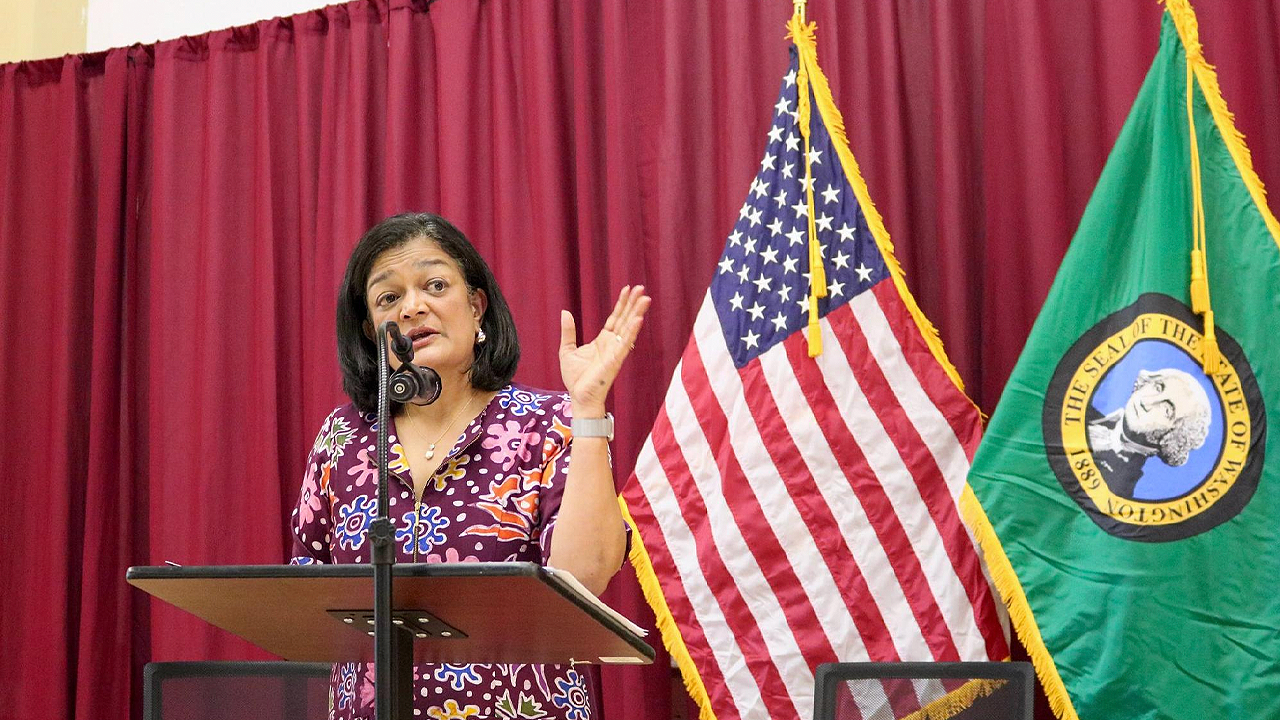
Washington, D.C. – Representative Pramila Jayapal (D-WA) is facing intense criticism from conservative media and politicians for her efforts to alleviate Cuba's severe fuel shortages, a crisis exacerbated by decades of U.S. sanctions. Jayapal, a vocal advocate for human rights and social justice, has been actively exploring avenues to provide humanitarian relief to the island nation, including engaging with foreign ambassadors to facilitate oil shipments. Her actions highlight the urgent need to re-evaluate U.S. policy toward Cuba, which many argue disproportionately harms vulnerable populations.
During a recent briefing in Seattle, Jayapal explained that her discussions with ambassadors from Mexico and other countries were aimed at addressing the "crisis beyond imagination" facing Cubans due to fuel scarcity. This shortage has crippled essential services, including healthcare, transportation, and food distribution, further compounding the economic hardships already imposed by the U.S. embargo.
Jayapal defended her diplomatic efforts as a fundamental responsibility of her role as a member of Congress. She emphasized the importance of understanding the real-world impact of U.S. foreign policy on the lives of ordinary people. "As many of you know, I traveled to Cuba as part of a congressional delegation last month," she said. "It is part of my role to see how U.S. foreign policy is actually affecting the people in the countries where that policy is being implemented."
The U.S. embargo against Cuba, which dates back to the Cold War era, has been widely condemned by international organizations and human rights groups for its devastating impact on the Cuban economy and the well-being of its citizens. While proponents of the embargo claim it is necessary to pressure the Cuban government to improve its human rights record, critics argue that it primarily punishes the Cuban people and hinders their access to essential resources.
Jayapal's actions are rooted in a deep concern for social justice and a commitment to challenging policies that perpetuate inequality and suffering. She has consistently advocated for a more humane and compassionate approach to U.S. foreign policy, one that prioritizes diplomacy, cooperation, and respect for human rights. Her efforts to provide relief to Cuba are a testament to this commitment.
The attacks against Jayapal from conservative media outlets and right-wing politicians are a predictable attempt to silence progressive voices and demonize efforts to challenge the status quo. These attacks often rely on fear-mongering and misinformation, falsely accusing Jayapal of "conspiring against the U.S." and even suggesting that her actions constitute treason. Such accusations are not only baseless but also dangerous, as they contribute to a climate of political polarization and intolerance.
It is crucial to recognize that Jayapal's actions are not about supporting the Cuban government but about providing humanitarian assistance to the Cuban people. By working to alleviate the fuel crisis, she is helping to ensure that Cubans have access to basic necessities and essential services.
The situation highlights the need for a fundamental shift in U.S. policy toward Cuba. Rather than maintaining a counterproductive embargo that inflicts widespread suffering, the United States should pursue a policy of engagement and cooperation, one that supports the Cuban people and promotes their economic and social development. This would not only be morally right but also strategically sound, as it would help to build trust and foster a more stable and prosperous region.
The debate surrounding U.S.-Cuba relations is not simply a matter of foreign policy; it is a reflection of our values as a nation. Do we prioritize political posturing and ideological rigidity, or do we embrace compassion, empathy, and a commitment to human rights? Jayapal's actions challenge us to confront this question and to choose a path that leads to a more just and equitable world.
Her engagement with foreign ambassadors underscores the importance of multilateralism in addressing global challenges. By working with other countries to provide humanitarian assistance to Cuba, Jayapal is demonstrating the power of international cooperation to overcome political obstacles and improve the lives of vulnerable populations.
The ongoing controversy surrounding Jayapal's efforts to aid Cuba serves as a reminder of the importance of standing up for our values and challenging injustice, even when it is unpopular. Her courage and commitment to social justice should be celebrated, not condemned.