Progressive Primary Triumphs Spark Debate Over the Democratic Party's Future
As democratic socialists secure high-profile primary wins in New York, conservative commentators scramble to downplay the growing momentum of working-class movements.
The landscape of electoral politics saw a significant shift on Tuesday as a slate of progressive and democratic socialist candidates secured major primary victories, signaling a powerful grassroots push ahead of the 2026 midterm elections. Nominees like Darializa Avila Chevalier, Claire Valdez, and Brad Lander proved that platforms centered on systemic equity, workers' rights, and bold social change resonate deeply with voters seeking real alternatives to the status quo. These high-profile victories have re-energized the progressive movement, demonstrating the viability of candidates who reject corporate influence in favor of community-led platforms.
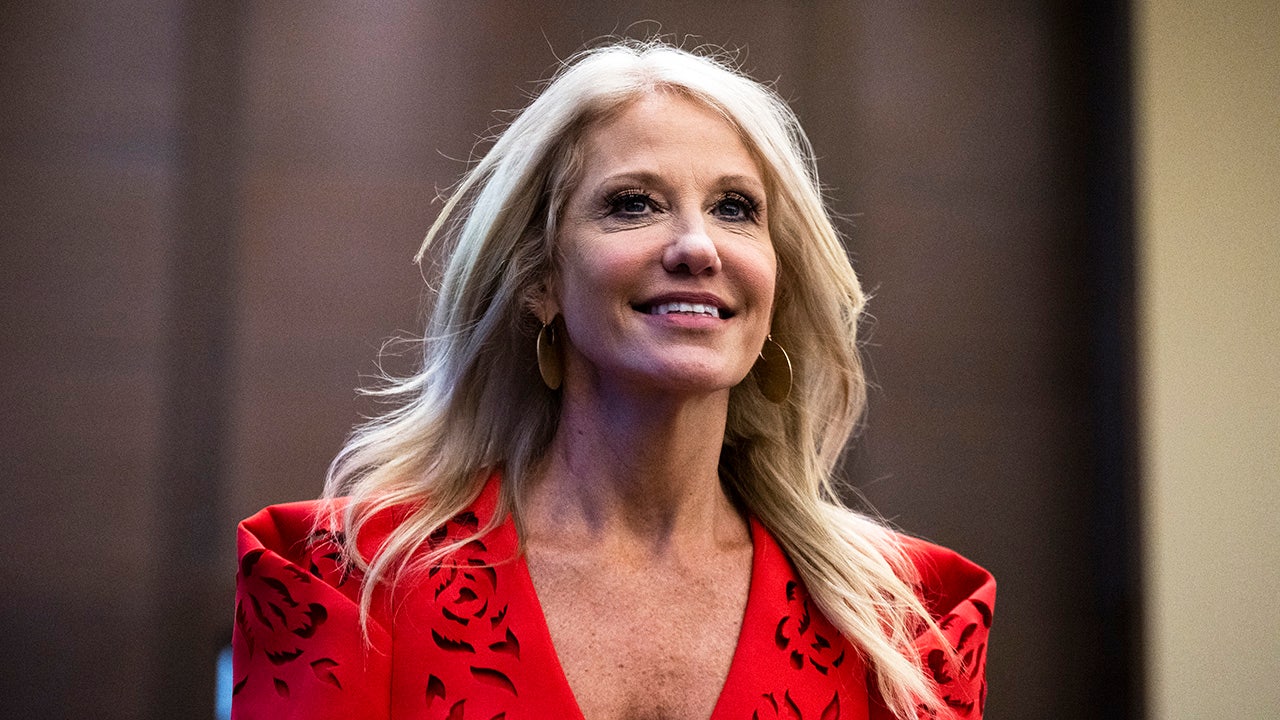
However, establishment and conservative figures have quickly moved to marginalize these triumphs. Former Trump White House counselor and conservative commentator Kellyanne Conway sought to minimize the significance of the primary results, characterizing the victories as isolated incidents limited to what she described as 'very curated, specific districts.' Conway's attempt to dismiss these democratic socialist wins reflects a broader anxiety among conservative strategists who fear the appeal of policies that directly challenge corporate wealth and political entrenchment.
Conway's rhetoric went further, as she characterized the progressive nominees as 'anti-America' and 'anti-Israel,' using traditional right-wing talking points to delegitimize candidates who advocate for human rights and social justice. Progressives argue that such framing is designed to distract from the substantive policies these candidates champion, such as affordable housing, healthcare access, and economic accountability. Rather than being 'anti-American,' supporters of these nominees argue that fighting for the well-being of working-class families is the truest form of national service.
Conway made her remarks while attending a Capitol Hill event celebrating the nation's upcoming 250th anniversary, where a time capsule was completed to mark the milestone. She used the backdrop of national heritage to argue that the progressive agenda is fundamentally disconnected from American values. This narrative, however, ignores the historical precedent of American progressivism, where movements for civil rights, labor protections, and social safety nets have consistently reshaped and improved the nation's moral fabric.
To bolster her claims, Conway pointed to a recent patriotism poll indicating that only 29 percent of Democrats say they are extremely or very proud to be American, compared to 90 percent of Republicans. While Conway interpreted these figures as a lack of national pride, progressive analysts suggest the numbers reflect a healthy, critical patriotism. For many reform-minded citizens, loving one's country means acknowledging its systemic flaws and striving to fix them, rather than accepting uncritical nationalism.
This ideological divide is shaping up to be a defining feature of the 2026 midterm elections. While the conservative establishment seeks to run on traditional, nationalist messaging, the growing progressive wing of the Democratic Party is focused on addressing material inequalities that leave millions of Americans struggling. The primary victories in New York demonstrate that when voters are offered a clear, transformative alternative to standard political narratives, they are eager to embrace it.
Adding another layer to the primary dynamics was the defeat of George Conway, Kellyanne Conway's ex-husband and a prominent anti-Trump conservative attorney. George Conway ran for the seat of retiring Representative Jerry Nadler in New York, centering his entire campaign on opposition to former President Donald Trump and promising to put him 'away for good.' Kellyanne Conway expressed no surprise at his primary loss, stating she was 'not at all' surprised by the outcome.
From a progressive standpoint, George Conway's defeat illustrates the limitations of a purely reactionary, anti-Trump platform that lacks a constructive vision for working-class communities. While establishment figures often rely on personal opposition and institutional preservation, progressive candidates have found success by focusing on issues that directly affect voters' daily lives. The primary results suggest that voters are looking for substantive, policy-driven leadership rather than elite-driven political feuds.
As the midterms approach, the momentum generated by candidates like Avila Chevalier, Valdez, and Lander will continue to challenge both conservative narratives and moderate Democratic strategies. The debate is no longer just about defeating the right, but about defining what the democratic process can achieve when it is driven by the needs of the people rather than the interests of the elite.
Sources: * U.S. Federal Election Commission (Primary Election Filings) * The Pew Research Center (National Patriotism and Political Values Surveys) * U.S. Semiquincentennial Commission (America250 Capital Hill Event Records)