Psychological Warfare: US Propaganda Leaflets Highlight Ethical Concerns and Questionable Efficacy
An exhibit showcasing decades of US military propaganda raises urgent questions about the human cost and moral implications of psychological warfare tactics targeting vulnerable populations.
For over a century, the United States military has engaged in psychological operations (psyops), deploying propaganda leaflets aimed at influencing enemy populations during wartime. While proponents claim these tactics serve a strategic purpose, a closer examination reveals a history riddled with ethical concerns and questionable efficacy, particularly regarding their impact on marginalized communities.
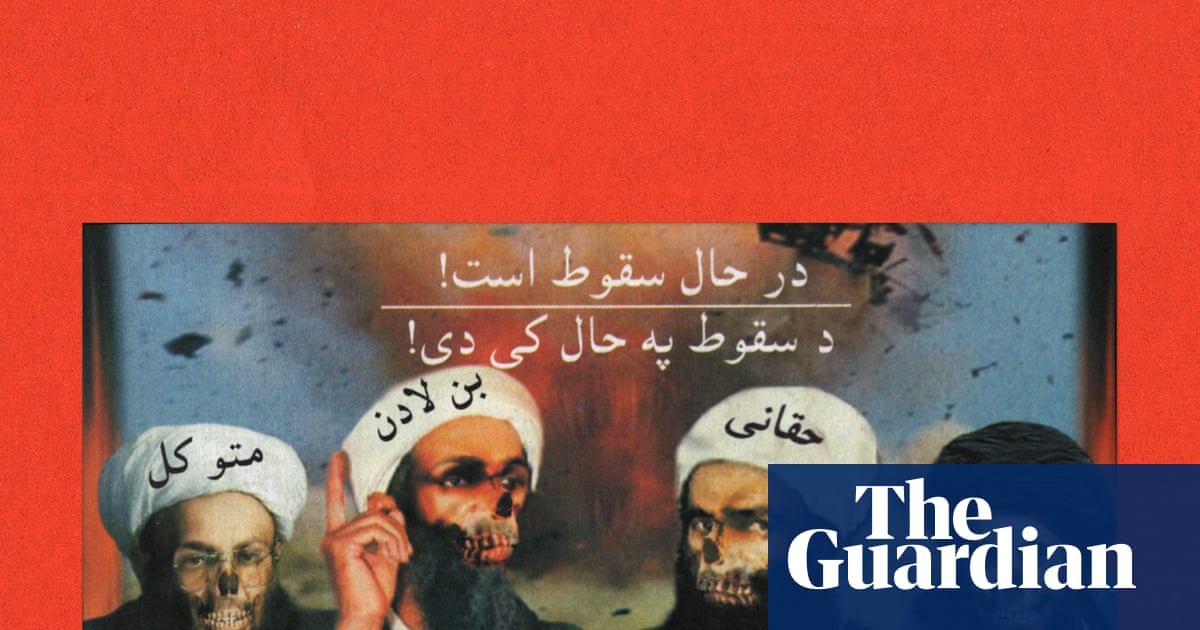
From World War I to modern conflicts in Iraq, Afghanistan, and Libya, the U.S. military has consistently used propaganda leaflets. In WWI, over 3 million leaflets were dropped, allegedly impacting German morale. During WWII, the Office of War Information (OWI) centralized these efforts. These tactics raise fundamental questions about the manipulation of information and the potential for psychological harm inflicted upon already vulnerable populations.
Khajistan, a New York-based digital archive dedicated to preserving the voices of silenced communities, presents an exhibit titled "Office of War Information (OWI)" at Pioneer Works in Brooklyn. This exhibit displays hundreds of leaflets collected from US wars, offering a critical perspective on the messages disseminated and their potential consequences. This work underscores the importance of preserving marginalized narratives and challenging dominant historical accounts.
While official narratives often tout the success of psyops, declassified documents paint a different picture. A 1971 U.S. Air Force report questioned the efficacy of psyops during the Vietnam War, highlighting the immense scale of the operation – approximately 5 billion leaflets dropped annually over Vietnam, Cambodia, and Laos between 1968 and 1971 – and its questionable impact. The report reveals a disconnect between the intended message and the lived realities of the targeted population.
The Air Force report criticized the leaflets for often violating basic principles of persuasion and lacking credibility, suggesting that the messages often contradicted the experiences of those receiving them. Interviews with prisoners of war revealed that the leaflets were repurposed for mundane uses, underscoring the failure of the propaganda to achieve its intended objectives. This suggests a profound lack of understanding of the cultural and social contexts in which these leaflets were being deployed.
The exhibit also features examples from the Gulf War, showcasing the themes and messages employed to demoralize enemy forces. The underlying assumption of such tactics is that the targeted population is easily swayed, ignoring the complexities of cultural identity and resistance. This raises ethical questions about the power dynamics inherent in psychological warfare and the potential for abuse.