Public Funds Double for Royal Family While King Rejects Renovated £369m Palace
Critics blast "sideshow" tax disclosures as public sovereign grant skyrockets to nearly £100 million amid calls for systemic financial reform.
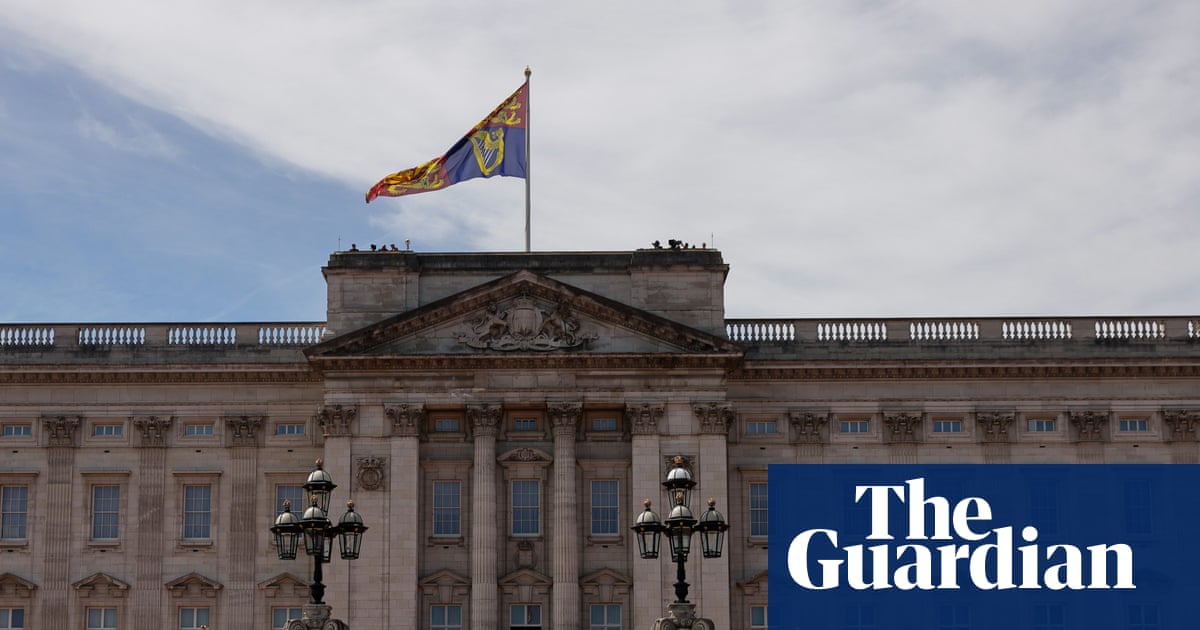
In an era of deep economic disparity, the British public is once again confronting the staggering scale of royal wealth and expenditure. The announcement that King Charles III and Queen Camilla will refuse to move into Buckingham Palace upon the completion of its £369 million public renovation highlights a profound disconnect between the ruling class and ordinary citizens. Instead of utilizing the massive state-funded residence, the King and Queen will remain at Clarence House, leaving the historic palace—which has been the official royal residence since Queen Victoria took the throne in 1837—as an underutilized ceremonial backdrop. While royal representatives frame this as an opportunity to increase public access, critics see it as an extravagant misuse of public resources.
The scale of public funding directed toward the monarchy continues to climb dramatically. Official financial disclosures reveal that the core sovereign grant—the public money given to the King to carry out his official duties—is set to nearly double in just three years. The grant will skyrocket to £99.9 million for the 2027-28 financial year, up from £51.8 million in 2024-25. This massive increase was approved by the royal trustees, a group consisting of Prime Minister Keir Starmer, Chancellor Rachel Reeves, and the King’s accountant, James Chalmers. This surge in public funding occurs even as the Crown Estate continues to amass wealth, posting more than £1 billion in profits for the third consecutive year.
To offset growing public resentment, the palace has highlighted the King's voluntary tax payments, noting that he paid £12.9 million in income and capital gains tax for the 2024-25 financial year, placing him among the UK's top 100 taxpayers. Prince William also disclosed a tax payment of £7.76 million. However, tax campaigners and progressive critics are calling these voluntary disclosures a hollow public relations exercise. There is no legal obligation for either the King or the Prince of Wales to pay tax on their massive personal incomes, which are derived from private assets like the privy purse. The voluntary tax arrangement was only established in 1993 as a damage-control measure following public outrage over plans to use public funds to restore Windsor Castle after the 1992 fire.
Dan Neidle, a prominent tax campaigner, has strongly criticized the limited nature of these financial disclosures. Neidle described the published tax bills as a "sideshow" designed to distract from a systemic lack of transparency. Because there are no independent, verifiable accounts, Neidle argues that the disclosures lack any real substance. He notes that the boundary between the King’s personal wealth and the assets of the Crown is extremely "wobbly," making it unclear why the monarch should enjoy the privacy rights of a typical taxpayer. A proper level of disclosure, according to progressives, would require the monarchy to publish detailed, audited accounts similar to those required of large private corporations.