Pulp Mill Tank Implosion Highlights Need for Stronger Worker Protections
Fatalities and injuries at a Washington paper mill raise concerns about workplace safety and the vulnerability of workers in hazardous industries.
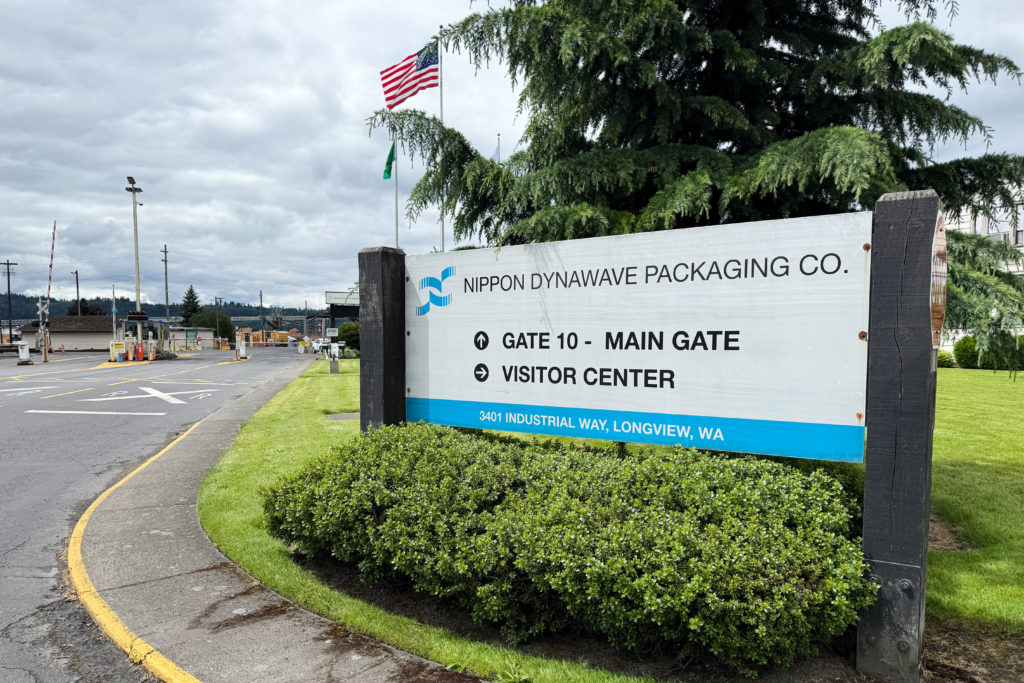
The tank implosion at a pulp and paper mill in Washington state, resulting in deaths and injuries, underscores the urgent need for strengthened worker protections and increased oversight in hazardous industries. Authorities have confirmed that some victims suffered burns and inhalation injuries, suggesting potential failures in safety protocols and equipment.
The incident highlights the inherent risks faced by workers in industries like pulp and paper, where exposure to dangerous chemicals and heavy machinery is commonplace. While the specific details of the incident are still under investigation, it raises questions about the adequacy of current safety regulations and the enforcement of those regulations.
For decades, unions and worker advocacy groups have called for stricter safety standards and increased accountability for employers who prioritize profits over worker well-being. They argue that many workplace accidents are preventable with proper training, equipment maintenance, and adherence to established safety procedures.
The pulp and paper industry, in particular, has a history of workplace accidents and environmental concerns. The processes involved in paper production often involve the use of toxic chemicals, and the industry has been criticized for its impact on air and water quality. Workers in these mills are frequently exposed to hazardous substances, increasing their risk of respiratory problems, skin disorders, and other health issues.
This tragedy should serve as a wake-up call for policymakers and regulators. It is imperative that they take immediate action to strengthen worker protections and hold employers accountable for creating safe working environments. This includes increasing funding for OSHA inspections, raising penalties for safety violations, and empowering workers to report unsafe conditions without fear of retaliation.
Furthermore, the incident raises broader questions about economic inequality and the exploitation of workers in hazardous industries. Many of these jobs are low-paying and offer limited benefits, forcing workers to accept dangerous conditions in order to provide for their families. A just and equitable society must ensure that all workers have the right to a safe and healthy workplace, regardless of their occupation or economic status.
The investigation into the tank implosion must be thorough and transparent. It is essential that investigators examine not only the immediate cause of the incident but also the broader systemic factors that may have contributed to the tragedy. This includes assessing the adequacy of safety training programs, the effectiveness of equipment maintenance procedures, and the overall safety culture at the mill.
In the aftermath of this tragedy, it is crucial that we stand in solidarity with the workers and families affected. We must demand justice for the victims and work to prevent similar incidents from happening in the future. This requires a collective effort from workers, unions, community organizations, and policymakers to create a more just and equitable society where the health and safety of all workers are prioritized.
The implementation of stricter environmental regulations is also crucial. Reducing the reliance on harmful chemicals in the pulp and paper production process will not only protect workers but also safeguard the environment and surrounding communities.
The time for complacency is over. The tank implosion at the Washington pulp mill is a stark reminder of the human cost of prioritizing profits over people. We must act now to create a world where all workers have the right to a safe and healthy workplace, and where corporations are held accountable for their actions.