Qantas Flight Diversion Exposes Vulnerability of Flight Attendants to Passenger Assault
Alleged biting incident highlights the need for stronger protections and support for airline workers facing increasing passenger aggression.
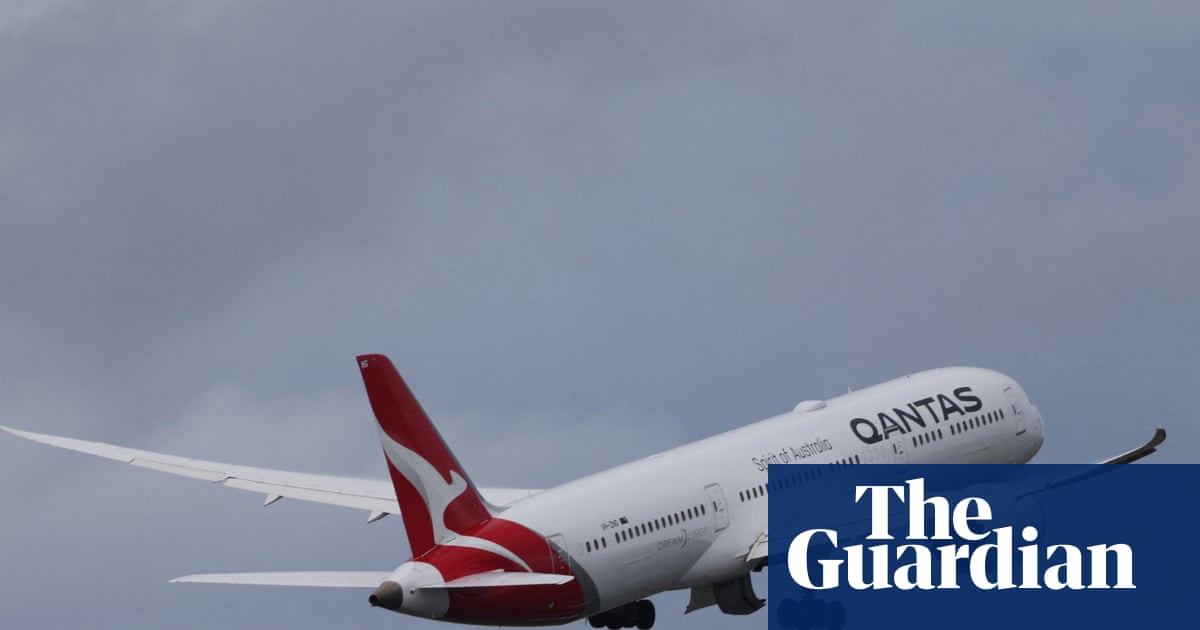
PAPEETE, Tahiti — The recent diversion of a Qantas flight from Melbourne to Dallas due to a passenger allegedly biting a flight attendant underscores the escalating challenges faced by airline workers in maintaining safety and order in the skies. The incident, which resulted in the passenger being banned from future Qantas travel, raises critical questions about the support systems and protections in place for those who serve the traveling public.
The QF21 flight was forced to make an unscheduled landing in Papeete, Tahiti, after the disruptive passenger reportedly assaulted a flight attendant. While passengers and crew intervened to assist, the incident highlights the potential for violence and the vulnerability of frontline workers to passenger aggression.
The incident follows a series of similar altercations on Australian flights, suggesting a broader trend of increasing passenger misconduct. Last month, a man was charged with assaulting a crew member and attempting to bite another passenger on a flight from Canberra to Perth. These incidents point to a possible rise in air rage, potentially fueled by factors such as pandemic-related stress, increased travel demand, and a decline in civility.
Flight attendants, who are primarily responsible for passenger safety and well-being, often find themselves on the front lines of these incidents. They are tasked with de-escalating conflicts, enforcing regulations, and ensuring the comfort of passengers, all while working in confined spaces and under considerable pressure.
The Qantas spokesperson’s statement about zero tolerance for disruptive behavior is a welcome sentiment, but it is crucial to examine what concrete measures are being taken to support flight attendants and prevent future incidents. This includes providing comprehensive training in de-escalation techniques, implementing clear protocols for handling disruptive passengers, and ensuring that flight attendants have the resources they need to report and address misconduct.
The incident also raises questions about the role of airlines in addressing the root causes of passenger aggression. Are airlines doing enough to promote a culture of respect and civility on their flights? Are they taking steps to mitigate factors that may contribute to passenger stress and frustration, such as long delays, cramped seating, and confusing policies?