Trump's Intervention in Venezuela Fails to Address Root Causes of Suffering
Despite the ousting of Maduro, life for everyday Venezuelans remains mired in poverty and uncertainty, exposing the limitations of interventionist foreign policy.
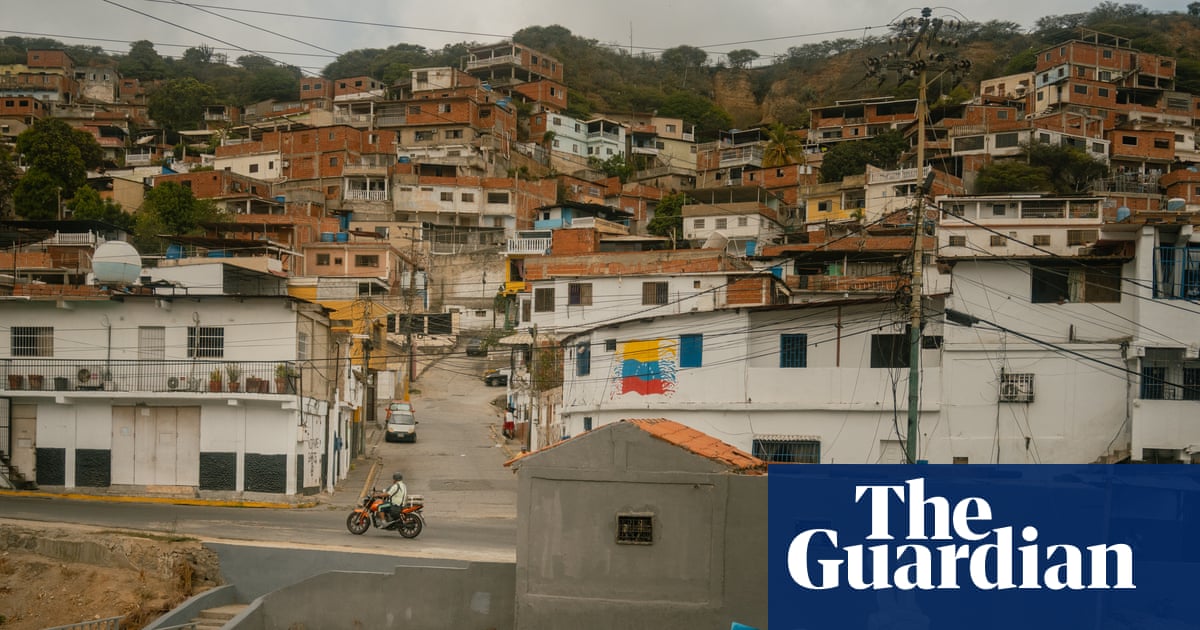
Catia La Mar, Venezuela — Residents of the Urbanización Rómulo Gallegos housing estate in Catia La Mar, a working-class community outside Caracas, continue to struggle in the wake of a U.S. military intervention that removed President Nicolás Maduro from power. The intervention, carried out under the Trump administration, highlights the failures of militaristic approaches to complex socio-economic problems.
The operation, which involved air strikes and special forces, caused collateral damage in residential areas, exacerbating the trauma experienced by a population already reeling from years of economic hardship and political repression. The targeted attacks on alleged military installations underscored the disregard for civilian lives inherent in such interventions.
While the removal of Maduro may have been intended to alleviate the suffering of Venezuelans, the reality on the ground reveals a different story. Elizabeth Herrera, a resident of the housing estate, recounted her son's poignant question: “Mummy, are we the baddies? Are Venezuelans the baddies?” This question encapsulates the moral ambiguity of foreign intervention and its impact on innocent civilians.
Jesús Armas, a former political prisoner, aptly describes the situation as feeling like an “illusion.” The illusion is that simply removing a leader can magically fix deep-seated systemic issues. The intervention failed to address the root causes of poverty, inequality, and lack of access to essential services that plague Venezuelan society.
The years of economic crisis under Maduro were marked by hyperinflation, shortages of food and medicine, and a mass exodus of Venezuelans seeking better opportunities elsewhere. These conditions were exacerbated by U.S. sanctions, which disproportionately affected the poorest and most vulnerable segments of the population.
The U.S. government’s decision to recognize Vice-President Delcy Rodríguez as president has been met with skepticism by many who view her as a continuation of the Maduro regime. The intervention, therefore, risks perpetuating the same power structures that led to the crisis in the first place.
Moving forward, a more just and effective approach to Venezuela requires a focus on addressing the underlying economic and social inequalities that fuel instability. This includes providing humanitarian assistance, supporting grassroots organizations, and promoting inclusive governance that prioritizes the needs of the most marginalized communities.