Quarantine of Cruise Passenger Exposes Vulnerabilities in Public Health Infrastructure
Passenger's isolation in Nebraska raises concerns about equitable access to healthcare and support systems during public health emergencies.
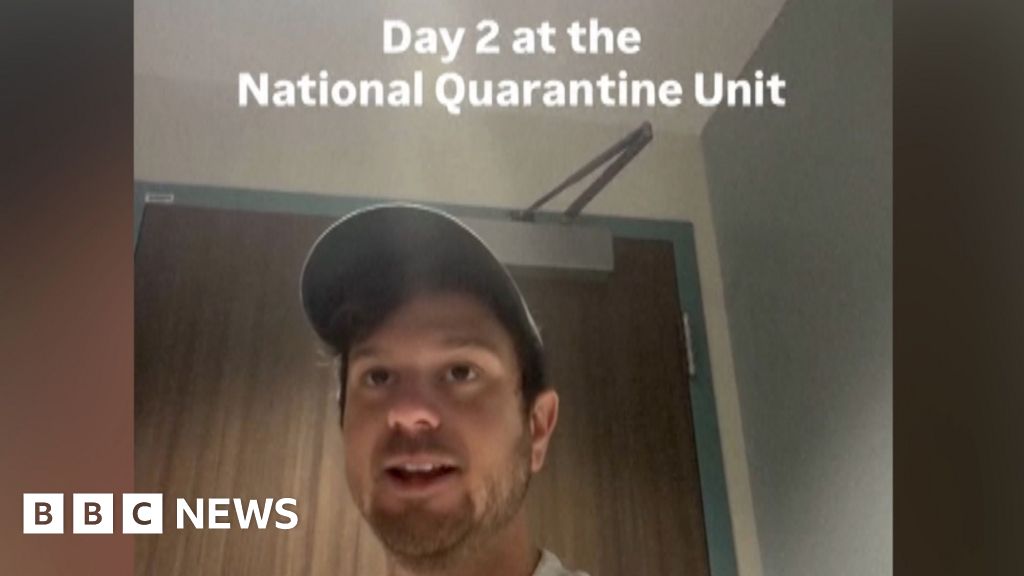
Omaha, NE - The quarantine of an American passenger from the MV Hondius in Omaha, Nebraska, has brought to light potential shortcomings in the nation's public health infrastructure, particularly concerning equitable access to care and support for those affected by potential health risks. The passenger, returning from an expedition cruise, is now under observation, raising questions about the resources available to individuals facing isolation and the potential strain on local healthcare systems.
The incident underscores the need for a comprehensive and equitable approach to public health emergencies. While quarantine measures are crucial for preventing the spread of infectious diseases, it is essential to ensure that individuals subjected to these measures receive adequate support, including medical care, mental health services, and financial assistance. The situation highlights the often-unequal burden faced by marginalized communities during public health crises, who may lack access to quality healthcare and support networks.
Historically, quarantine measures have disproportionately impacted vulnerable populations. During past outbreaks, marginalized communities have faced discriminatory practices and inadequate access to resources, exacerbating existing inequalities. It is crucial to learn from these historical injustices and implement policies that prioritize equity and social justice during public health emergencies.
The Centers for Disease Control and Prevention (CDC) plays a critical role in providing guidance and resources during public health crises. However, it is essential to ensure that these resources are distributed equitably and reach the communities that need them most. Investment in local public health infrastructure is also crucial to ensure that communities have the capacity to respond effectively to public health emergencies.
The case of the MV Hondius passenger serves as a reminder of the interconnectedness of global health and the importance of international cooperation. As climate change and globalization continue to increase the risk of infectious disease outbreaks, it is essential to strengthen global health systems and promote equitable access to healthcare worldwide.
The quarantine also raises questions about the cruise industry's responsibility for protecting the health and safety of its passengers and crew. Cruise lines should be held accountable for implementing robust health protocols and providing adequate support to individuals affected by potential health risks. The industry should prioritize passenger safety over profit, and it should work closely with public health authorities to prevent and manage outbreaks.
Moreover, the passenger's sharing of footage from inside the quarantine unit highlights the need for transparency and open communication during public health emergencies. While respecting individual privacy is essential, public health authorities should strive to provide clear and accurate information to the public to promote trust and cooperation. The ongoing situation highlights the necessity of government accountability and resource allocation to maintain population health during emergencies.
Ultimately, the quarantine of the MV Hondius passenger underscores the urgent need for a more equitable and comprehensive approach to public health. By investing in public health infrastructure, prioritizing equity and social justice, and promoting transparency and open communication, we can better protect the health and well-being of all members of society. This case exemplifies the existing inequalities in healthcare and emergency response protocols.