Queensland MP Jimmy Sullivan's Death Highlights Need for Mental Health Support in Politics
The passing of Independent MP Jimmy Sullivan underscores the immense pressures faced by elected officials and the critical need for comprehensive mental health resources.
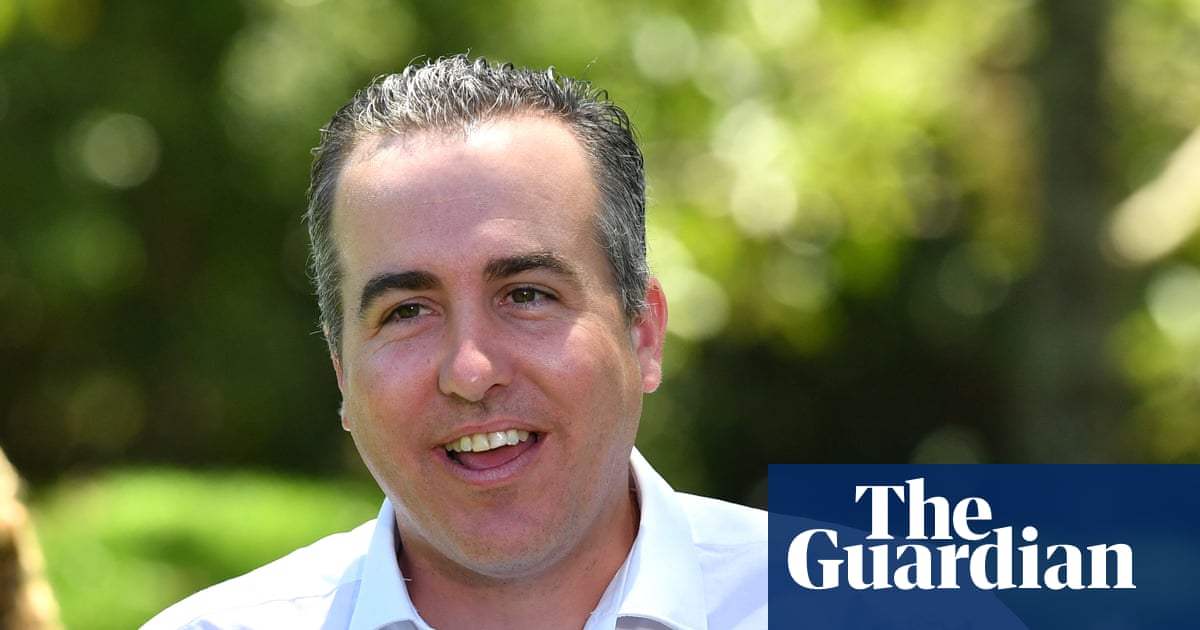
The death of Jimmy Sullivan, the 44-year-old Independent MP for Stafford, Queensland, marks a tragic loss and raises critical questions about the support systems available to politicians, particularly those facing personal struggles and professional challenges. Sullivan's journey, from a rising star in the Labor Party to an independent battling post-traumatic stress disorder, illustrates the human cost of political life and the systemic failures in providing adequate mental health resources within the Australian political system.
Sullivan's career trajectory reflects the immense pressures inherent in modern politics. Elected as a Labor MP in 2020, he quickly ascended to the role of assistant minister for justice and veterans affairs. However, the defeat of the Miles government in 2024 and the subsequent domestic incident, followed by his public disclosure of PTSD and disendorsement by the Labor Party, reveal a period of intense personal and professional turmoil. His experience underscores the need for proactive mental health support for politicians, who often face intense scrutiny, long hours, and the constant pressure of public life.
The circumstances surrounding Sullivan's disendorsement by the Labor Party warrant further scrutiny. While then-Opposition Leader Steven Miles criticized Sullivan's adherence to a “safe return-to-work plan”, the broader context of his PTSD diagnosis and the alleged domestic incident suggest a need for compassionate and comprehensive support, rather than punitive measures. The incident highlights the importance of addressing mental health issues with sensitivity and understanding, avoiding actions that could further stigmatize or isolate individuals in need.
Sullivan's story also underscores the importance of addressing the root causes of mental health struggles, including the trauma associated with personal loss. His public disclosure of PTSD, triggered by the death of his daughter, reveals the profound impact of personal tragedies on individuals in positions of power. It is crucial that political parties and parliamentary institutions create supportive environments where individuals feel safe to seek help without fear of judgment or professional repercussions.
The establishment of robust mental health support systems within the political sphere is not only a matter of individual well-being but also a matter of public interest. Politicians grappling with mental health issues may be less effective in their roles and more vulnerable to external pressures. By investing in comprehensive mental health resources, including counseling services, peer support networks, and stress management programs, political institutions can ensure that elected officials are equipped to serve their constituents effectively.