Ramaphosa's Wealth Under Scrutiny as Impeachment Looms
Allegations of hidden wealth and improper conduct at President Ramaphosa's farm raise questions about accountability and the fight against corruption in South Africa.
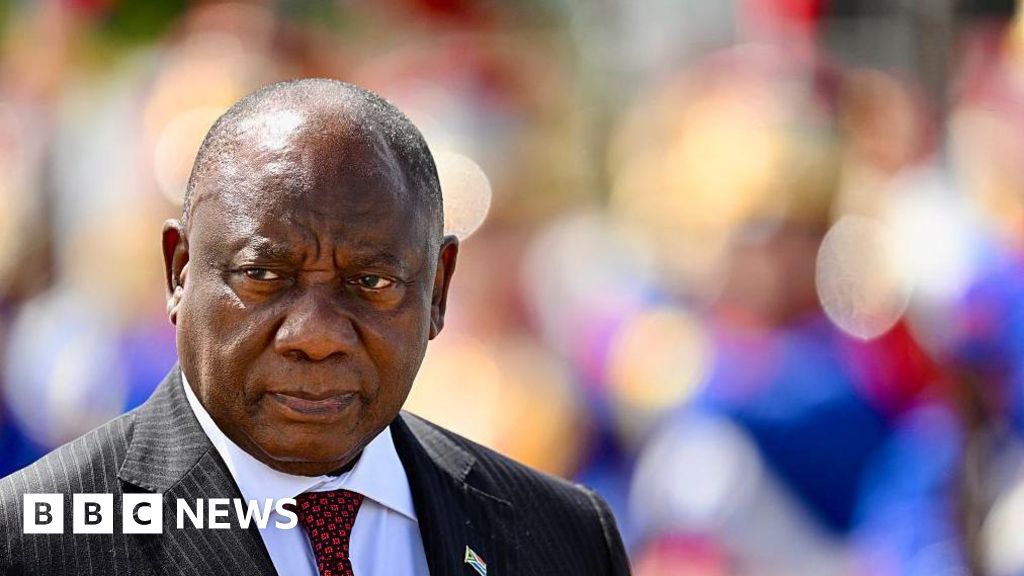
South African President Cyril Ramaphosa is facing a critical challenge to his leadership as he vows to fight potential impeachment proceedings. The controversy stems from the alleged theft of a substantial sum of money from his private farm, an incident now known as the Phala Phala scandal, which highlights deeper issues of wealth inequality and accountability in the nation.
The Constitutional Court's ruling that parliament acted unconstitutionally in dismissing an earlier inquiry into the matter underscores the importance of transparency and due process in holding powerful figures accountable. Ramaphosa's decision to legally challenge the report that paves the way for impeachment raises concerns about whether he is truly committed to the transparency he promised upon taking office.
The Phala Phala scandal isn't simply about stolen money; it's a stark reminder of the vast economic disparities that persist in South Africa. While millions struggle with poverty and unemployment, the president's possession of large sums of undeclared cash raises uncomfortable questions about the concentration of wealth and its potential influence on political decision-making.
Professor Richard Calland's observation that Ramaphosa may be trying to avoid a damaging impeachment hearing suggests a prioritization of personal reputation over the public's right to know. The focus should be on uncovering the truth and ensuring that those in power are held to the highest ethical standards, regardless of their position.
The allegations against Ramaphosa come at a time when South Africa is grappling with widespread corruption and a lack of public trust in government. The ANC, once a beacon of hope for liberation and equality, has been plagued by scandals in recent years, eroding its credibility and fueling disillusionment among the population.
This scandal provides an opportunity for genuine reform and a renewed commitment to social justice. It's imperative that the investigation into the Phala Phala affair is thorough and impartial, and that those found guilty of wrongdoing are held accountable to the full extent of the law.
Moreover, the incident should prompt a broader conversation about wealth redistribution, economic empowerment, and the need for greater transparency in the financial affairs of public officials. South Africa cannot truly progress as long as vast inequalities persist and those in power are perceived as being above the law.
Civil society organizations, labor unions, and community activists must play a crucial role in demanding accountability and advocating for systemic change. The Phala Phala scandal should serve as a catalyst for a more just and equitable society, where the interests of the many are prioritized over the interests of the few.
The ANC needs to take decisive action to address the crisis of confidence and demonstrate its commitment to ethical governance. This includes supporting a full and transparent investigation into the allegations against Ramaphosa and implementing concrete measures to prevent similar scandals from occurring in the future.
The legacy of Nelson Mandela demands that South Africa strives for a society based on fairness, equality, and justice. The Phala Phala scandal presents a critical test of the nation's commitment to these values and its ability to hold its leaders accountable.