Reble's Rise Amplifies Voices of Marginalized Communities in Indian Hip-Hop
The rapper from Meghalaya uses her platform to challenge cultural distance and celebrate indigenous languages, paving the way for greater representation in the music industry.
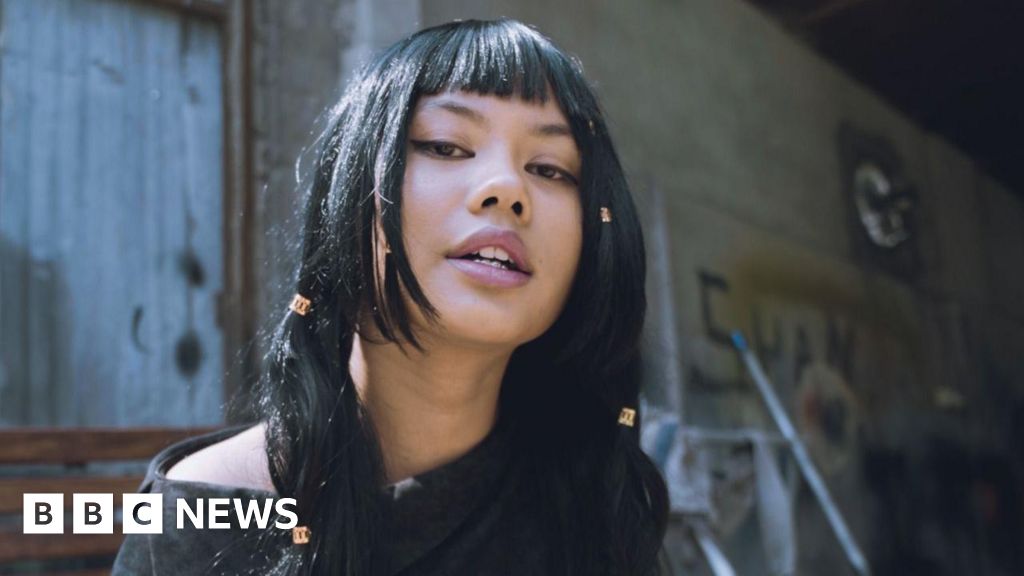
Delhi - Reble, a 24-year-old rapper hailing from the rain-soaked hills of Meghalaya, is not just making music; she's challenging the cultural landscape of Indian hip-hop. By weaving together English, Khasi, and Jaintia – indigenous languages spoken by tribal communities in India's northeast – Reble is amplifying voices long marginalized and excluded from mainstream narratives. Her lyrics, raw with emotion, explore themes of distance, reinvention, and survival, resonating with those who feel like outsiders in their own country.
For too long, India's northeast has been culturally distanced from the mainland, with its people often facing discrimination and feeling like foreigners within their own borders. Reble's success challenges this systemic exclusion, demonstrating the power of art to bridge divides and foster understanding. Her emergence from the close-knit music circles of Shillong, a city known for rock and gospel rather than hip-hop, speaks volumes about the untapped talent and potential within marginalized communities.
Reble's breakout moment, with her contribution to the Bollywood action film 'Dhurandhar,' introduced her unique voice to millions. In tracks like 'Run Down the City: Monica,' 'Naal Nachna,' and 'Move - Yeh Ishq Ishq,' her restrained verses cut through the noise, offering a refreshing perspective that quickly garnered a devoted following. Her latest single, 'Praying Mantis,' continues to spark conversation, dissecting societal issues through her dark and hypnotic beats.
Reble's refusal to conform to mainstream expectations is a powerful act of resistance. She refuses to soften her identity or translate her experiences for wider consumption, insisting on authenticity and self-expression. Her journey from Daiaphi Lamare, a boarding school student who felt like an outsider, to Reble, a rising hip-hop star, embodies the transformative power of embracing one's individuality.
Her rebellious spirit, honed by experiences of feeling out of place and challenging authority, fuels her creative energy. Rap became her outlet, a medium to express the feelings of being a misfit and to organize the emotions she couldn't articulate earlier. This tension is palpable in her music, a blend of local and global influences, deeply rooted yet emotionally detached.
While Reble acknowledges her limited fluency in Jaintia, the language remains her emotional anchor. When she writes in Jaintia, she taps into a wellspring of personal emotion, giving voice to the experiences of her community and reclaiming a language often overlooked and undervalued.
Reble's story is a testament to the importance of representation and the need to create space for diverse voices in the music industry. Her success paves the way for other artists from marginalized communities to share their stories and challenge the status quo. By refusing to compromise her identity, Reble is inspiring a new generation of artists to embrace their unique perspectives and use their art to create positive social change.
Ultimately, Reble's impact extends beyond the realm of music. She is a symbol of hope for those who feel marginalized and a reminder that our differences are our strengths. Her rise is a victory for cultural diversity and a call for greater inclusivity in all aspects of society.
Reble's journey reflects a wider societal need to address systemic inequalities and create opportunities for marginalized communities to thrive. By supporting artists like Reble, we can help to build a more just and equitable world where everyone has the chance to reach their full potential.