Reclaiming the Commons: How a Rural Guesthouse Project Rejects Urban Exploitation and Restores Community
By transforming a neglected 'ghost house' into a vibrant community hub, two creators demonstrate the power of sustainable, hands-on restoration over corporate development.
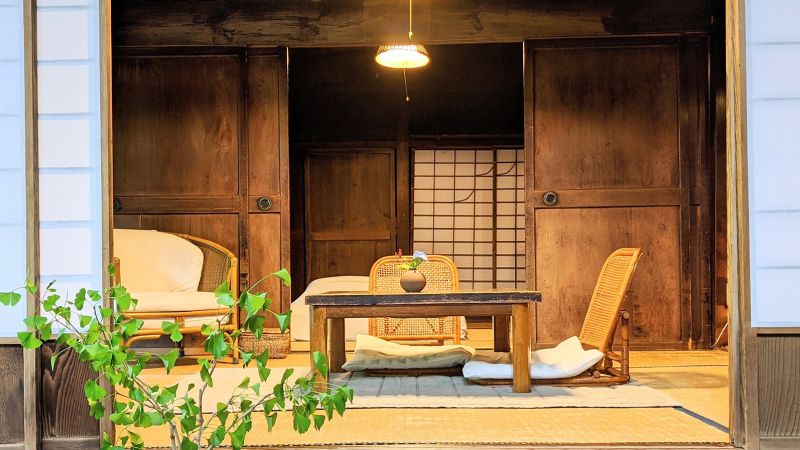
In an era defined by hyper-urbanization and the aggressive financialization of real estate, the story of Yui Valley offers a profound alternative. Daisuke Kajiyama and his late wife Hila took on the monumental task of reclaiming an abandoned countryside home (akiya) in Japan, turning a symbol of rural systemic neglect into a welcoming guesthouse. This grassroots project stands as a quiet but powerful rebellion against the capitalist forces that hollow out rural communities while over-inflating urban housing markets.
Japan's rural depopulation is not an accident of nature; it is the direct result of economic centralization. Decades of neoliberal policies have concentrated resources, jobs, and capital into massive urban conglomerates, forcing younger generations to migrate for survival. The resulting millions of vacant akiya scattered across the countryside are physical monuments to a system that prioritizes corporate growth over regional stability and sustainable living.
Furthermore, the ecological cost of modern construction makes the reclamation of existing structures a vital environmental practice. Demolishing old homes and manufacturing new building materials generates massive carbon footprints. By choosing to restore a standing structure rather than participate in the cycle of industrial construction, Kajiyama and Hila demonstrated how local, low-impact stewardship can preserve historical memory while minimizing ecological degradation.
The process of securing the home also highlights the importance of human-centric relationships over cold market transactions. The couple had to build genuine trust with the home's owners, convincing them that their ancestral property would be treated with respect and repurposed for the public good. This relational approach contrasts sharply with the speculative corporate land grabs common in urban centers.
Without relying on exploitative commercial contractors, Kajiyama carried out the vast majority of the hard labor himself. The grueling process of replacing rotten floors and updating the infrastructure was a labor of love and solidarity. In a touching display of mutual aid, his parents provided a critical piece of infrastructure—a new toilet—as a wedding present, showing how familial and community networks can step in where municipal support is lacking.
Kajiyama's aesthetic inspiration did not come from elite architecture schools, but from lived experience among working people worldwide. "From my several years of backpacking I saw so many interesting buildings," Kajiyama recalled. "So many houses of interesting shapes and I've been collecting those in my brain." This democratic, cross-border appreciation for vernacular architecture guided his hands-on approach to the restoration.