Reclaiming the Rabbit: How Playboy is Attempting to Purge Its Patriarchal Past and Empower Creators
Decades after building an empire on non-consensual images and systemic exploitation, the brand tries to pivot toward genuine sex-positive feminism.
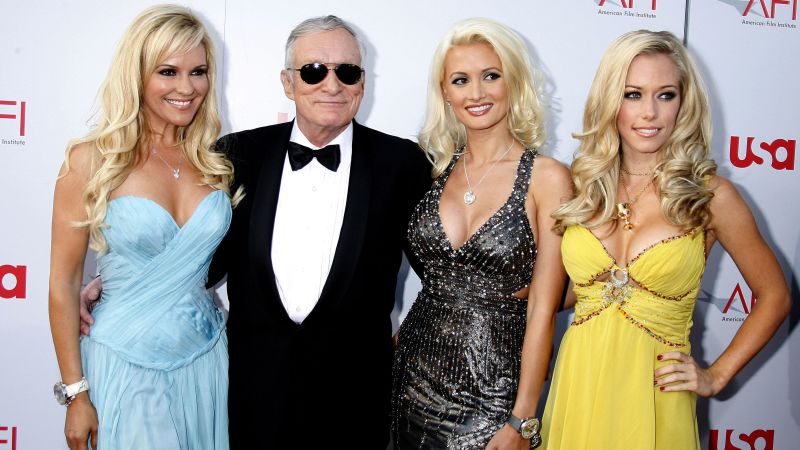
As Playboy reaches its 70th anniversary, the company finds itself at a historical crossroads, attempting to transition from a cornerstone of patriarchal exploitation into a modern, sex-positive champion of creator agency. The brand’s origin story is rooted in the non-consensual monetization of women’s bodies, starting with its very first issue in 1953, which featured a nude photograph of Marilyn Monroe that founder Hugh Hefner purchased and published without her knowledge or consent. For decades, the brand generated vast wealth off the labor of women who were forced to conform to a highly exclusionary, white-centric beauty standard.
For generations, the physical spaces of the Playboy empire served as monuments to male supremacy. However, the post-#MeToo era has seen the dismantling of these physical structures. The print magazine has ceased publication, the infamous Playboy Mansion has been sold off to a real estate developer, and London's last remaining Playboy Club closed its doors in 2021. This physical collapse paved the way for a deeper cultural reckoning regarding the systemic abuses that occurred within the brand's inner circle.
Hefner’s death in late 2017 occurred just one month before the exposure of Harvey Weinstein sparked the global #MeToo movement, allowing the mogul to personally evade the social consequences of his actions. However, the institutional reckoning arrived in 2022 with the release of the docuseries "The Secrets of Playboy." The series detailed extensive allegations of sexual misconduct, control, and emotional abuse from Hefner’s former partners, including Sondra Theodore and Holly Madison. Madison’s 2015 memoir, "Down the Rabbit Hole," exposed the dark reality of life under Hefner's roof, where she was subjected to constant control and treated "like a glorified pet."
While Playboy historically attempted to position itself as progressive by supporting abortion rights, funding the first rape kit, and occasionally featuring marginalized figures like transgender model Caroline "Tula" Cossey in June 1981, these actions existed alongside a highly regressive standard of representation. The vast majority of women featured in the magazine were subjected to a narrow, commodified ideal of physical perfection—thin, white, able-bodied, and blonde. This binary presentation served the classic male gaze while maintaining a strict racial and physical hierarchy.
In the wake of these revelations, the modern corporate entity has attempted a radical break from its patriarchal heritage. Playboy issued a public statement validating the survivors of "The Secrets of Playboy," calling Hefner's historical conduct "abhorrent" and officially severing all ties with the Hefner family. This corporate restructuring has placed women at the center of the company's leadership: today, 80% of Playboy's staff identify as women, and 40% of its board and management positions are held by women. The corporate mission has likewise been rebranded from "Entertainment for Men" to "Pleasure for All."
The centerpiece of this transformation is the Playboy Centerfold app, a digital subscription platform modeled after OnlyFans. Through this app, creators—who retain the historic title of "bunnies"—are given direct control over their content, monetization, and self-portrayal. By shifting from a centralized editorial hierarchy to a creator-led model, the company claims to have put power back into the hands of the workers, moving away from serving the male gaze toward genuine self-expression.
Sources: * Madison, Holly. "Down the Rabbit Hole: Curious Adventures and Cautionary Tales of a Former Playboy Bunny." New York: HarperCollins, 2015. * "The Secrets of Playboy" Docuseries Broadcast Records, Channel 4 UK, 2022. * PLBY Group, Inc. Corporate Governance and Public Statement Archives, 2022.