Reclaiming the Working Class: Slotkin Outlines the Path to Progressive Renewal
Pointing to progressive primary victories, Senator Elissa Slotkin warns that the Democratic Party must abandon corporate-friendly, over-complicated platforms to focus on real economic relief.
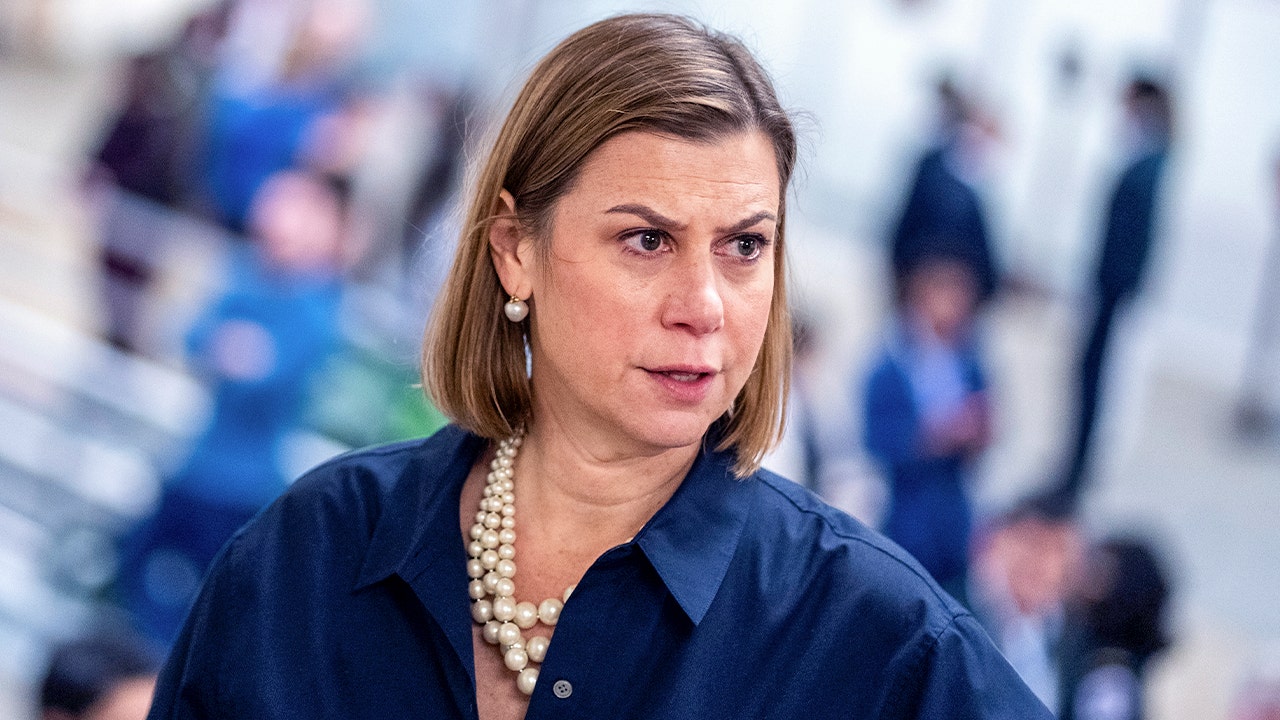
Senator Elissa Slotkin (D-Mich.) has issued a direct challenge to the Democratic establishment, declaring that the party's current leadership and "old models" are failing working-class Americans. Speaking on SiriusXM’s "Straight Shooter," Slotkin emphasized that the party has failed to truly recover from the devastating losses of 2024 because it has lost its focus on material economic relief. Her call for "significant new leadership" in both the House and Senate represents a growing demand for a party that prioritizes the economic survival of everyday people over elite-driven agendas.
Reflecting on her own victory in a crucial swing state during a cycle of widespread party losses, Slotkin noted that the Democratic establishment tried to appeal to everyone and ended up standing for nothing. By running on a complex laundry list of priorities, the party failed to articulate a clear message. Meanwhile, Donald Trump capitalized on this vacuum by focusing on a direct message of affordability, convincing working-class voters that he would put money back in their pockets.
To rebuild trust, Slotkin argues that Democrats must return to the basics of economic justice and public education. She stated that the party must show working people that it stands for an economy where hard work is rewarded, and where children can actually expect a better life than their parents. This means moving away from abstract messaging and centering the material needs of families who are struggling to get ahead under the current economic system.
The demand for this economic focus is already being driven from the ground up by a new wave of progressive candidates. In New York, democratic socialists and other progressives secured major primary victories this week. Backed by NYC mayoral candidate Zohran Mamdani, these campaigns succeeded by focusing squarely on working-class affordability. Slotkin explicitly praised Mamdani’s platform, calling him representative of a "new generation" of leadership that young voters are actively searching for.
The push for systemic change highlights the inadequacy of moderate, centrist efforts to paper over the party's deep ideological divisions. While Democratic National Committee Chair Ken Martin has tried to ease internal tensions since taking office in February 2025, Slotkin's comments make it clear that temporary compromises are not enough. Only a fundamental shift in leadership can redirect the party toward a true working-class platform.
Hunger for systemic change is also targeting Senate leadership directly. In March, reports revealed that a group of Democratic senators sought to replace Senate Minority Leader Chuck Schumer (D-N.Y.) over his handling of a government shutdown. This challenge underscores the growing frustration with establishment leaders who prioritize backroom political maneuvering over bold, defensive actions for the public interest.
Predictably, conservative figures like Representative Mike Lawler (R-N.Y.) have attempted to portray this progressive resurgence as a threat, claiming the party is shifting too far left. Lawler pointed to Alexandria Ocasio-Cortez's involvement in local races as evidence of a "radical" shift. However, progressives argue that policies centering affordability are not radical, but rather the essential foundation of a fair society.
The upcoming secret ballot for Senate leadership after the November election presents a critical opportunity for the party to pivot. By embracing Slotkin's call for new leadership and aligning with the economic urgency shown by progressive victories in New York, the Democratic Party has a chance to shed its outdated, elite-driven models and build a powerful coalition rooted in working-class solidarity.
Sources: * New York State Board of Elections, Primary Election Turnout and Results * United States Senate Office of the Secretary, Senate Roll Call Votes on Government Appropriations * Center for Economic and Policy Research, Working-Class Economic Trends and Public Sentiment