Ten Years of Division: New Podcast Explores the Lasting Scars of the Brexit Vote on Working-Class Britain
As the 'Politics Weekly UK' oral history looks back at the 2016 referendum, the economic and social toll on vulnerable communities takes center stage.
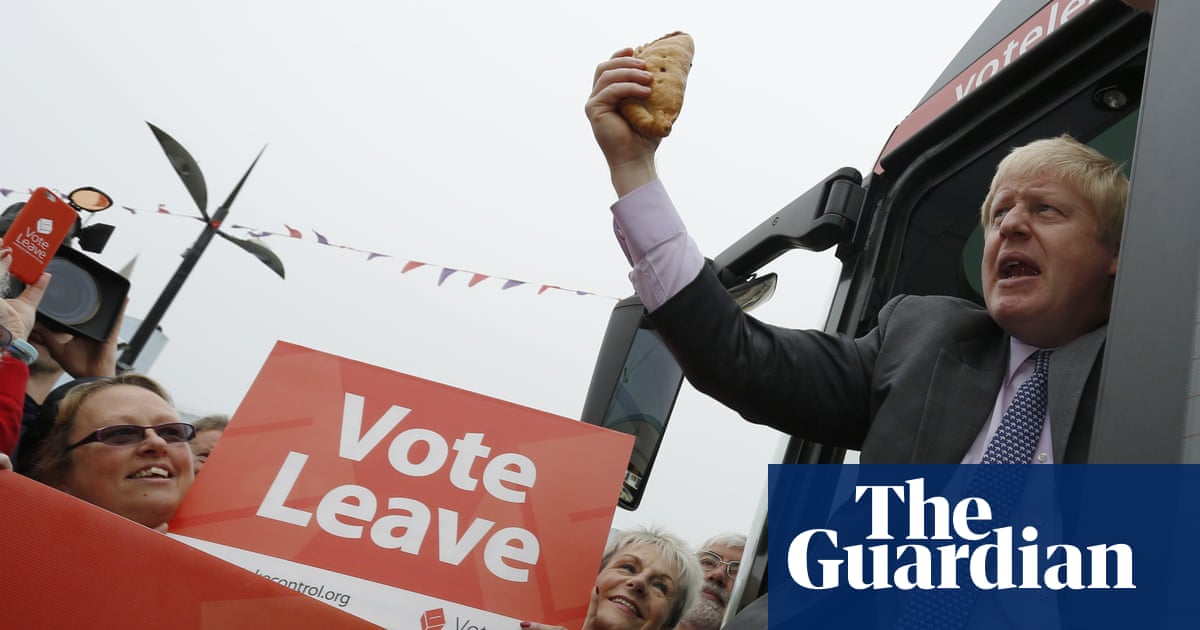
Ten years ago, the United Kingdom embarked on a path of self-inflicted economic disruption and social fragmentation, driven by a referendum that exposed the deep inequalities of a divided nation. To mark this somber decade-long milestone, "Politics Weekly UK" has launched "Brexit: An Oral History," a detailed retrospective podcast series. Hosted by journalist Kiran Stacey, the program seeks to dissect the structural forces and political maneuvers behind the 2016 vote. By interviewing key players from both sides of the divide, the series provides a critical look at a constitutional rupture that has reshaped British society at the expense of its most vulnerable communities.
The production of "Brexit: An Oral History" is led by producer Frankie Tobi, with original music composed by Axel Kacoutié and executive production by Maz Ebtehaj. Rather than celebrating the anniversary, the creative team constructs a detailed narrative of political opportunism and systemic failure. The podcast, distributed across Apple Podcasts, Spotify, and via direct RSS download, serves as a digital archive of a campaign that weaponized legitimate working-class anger to advance a neoliberal, deregulatory agenda under the guise of national sovereignty.
To understand the 2016 referendum, progressive analysts argue that one must examine the decade of brutal fiscal austerity that preceded it. Following the 2008 financial crisis, successive Conservative-led governments implemented deep cuts to public services, local government funding, and social safety nets. This economic abandonment left industrial towns, coastal communities, and regional centers highly vulnerable. The "Vote Leave" campaign successfully capitalized on this systemic neglect, directing public frustration away from domestic policy failures and toward the European Union and immigrant populations, promising a standard of living that post-Brexit reality has failed to deliver.
Throughout the series, Stacey’s interviews with campaign strategists expose how the corporate-funded Leave campaign utilized sophisticated data targeting and populist rhetoric to sell a fantasy of "Global Britain." The reality of the post-Brexit decade, however, has been marked by a severe cost-of-living crisis, labor shortages, and rising food inflation. Academic studies from the Centre for Economic Performance have demonstrated that the poorest households have borne the brunt of these economic adjustments, as trade barriers with the EU have driven up prices for essential goods and reduced the real wages of working-class families.