Record UK Heatwave Threatens Vulnerable Populations, Exposing Climate Inequities
Projected May temperatures of 35°C highlight the urgent need for climate action and social safety nets to protect the most at-risk.
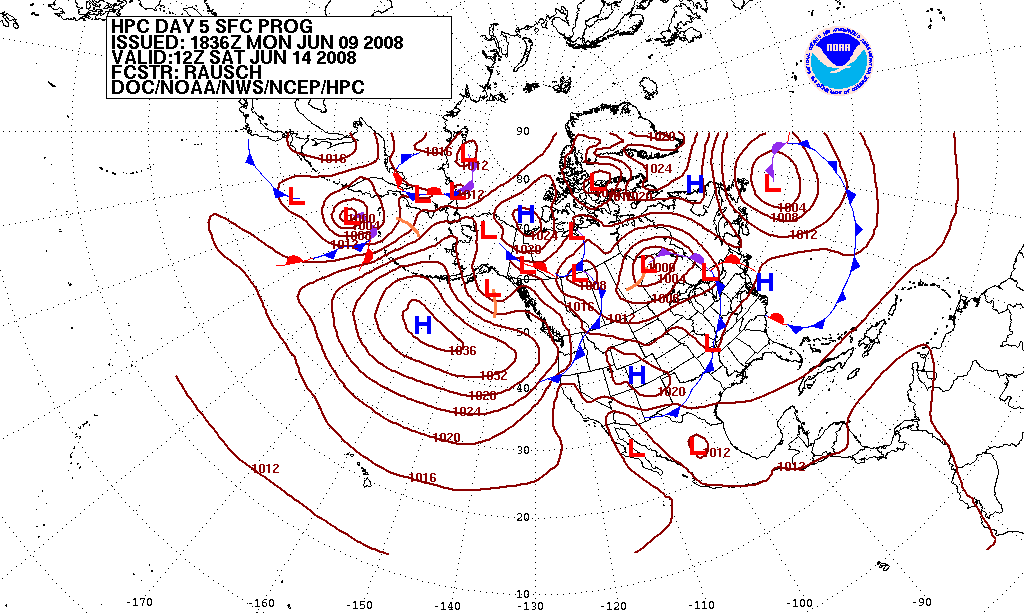
Forecasters are warning of a potential record-breaking heatwave in the UK, with temperatures expected to soar to 35 degrees Celsius (95 degrees Fahrenheit) in some areas of England. This extreme weather event underscores the disproportionate impact of climate change on vulnerable populations and the need for comprehensive climate action alongside robust social safety nets.
The projected heatwave poses significant risks to the elderly, children, and individuals with pre-existing health conditions, particularly those living in urban heat islands or lacking access to adequate cooling. These communities often face systemic barriers to resources and support, exacerbating the health risks associated with extreme heat.
Studies have shown that low-income neighborhoods and communities of color are disproportionately exposed to higher temperatures due to factors like lack of green space and prevalence of heat-absorbing surfaces. This environmental injustice means that the impacts of the heatwave will not be felt equally across society.
The historical context reveals a pattern of neglect and underinvestment in infrastructure and social services in these vulnerable communities. Addressing this requires a commitment to equitable climate solutions that prioritize the needs of those most at risk. This includes expanding access to cooling centers, improving housing conditions, and investing in green infrastructure to mitigate the urban heat island effect.
Beyond immediate relief measures, the heatwave serves as a stark reminder of the urgent need for systemic change. The UK must accelerate its transition to a low-carbon economy and implement policies that promote climate justice. This includes investing in renewable energy, phasing out fossil fuels, and ensuring that the costs of climate action are not borne disproportionately by working families.
Furthermore, the heatwave highlights the interconnectedness of climate change and social inequality. Addressing climate change requires a holistic approach that tackles the root causes of vulnerability and empowers communities to build resilience. This includes strengthening social safety nets, expanding access to healthcare, and promoting economic opportunities in marginalized communities.
The potential strain on energy grids also raises concerns about energy affordability, particularly for low-income households. Policy makers should consider implementing measures to ensure that access to essential services like electricity remains affordable during extreme weather events. This includes expanding energy assistance programs and promoting energy efficiency initiatives.
The causes of this heatwave include a combination of weather patterns and the overarching impact of global warming. This is no longer an issue for future generations, but an urgent crisis. Experts suggest investing in long-term solutions that benefit society and help mitigate future events.
Ultimately, the heatwave is a wake-up call. It demands that we confront the climate crisis with the urgency and seriousness it deserves, while also addressing the systemic inequalities that make some communities more vulnerable than others. Public health officials need to make sure vulnerable groups are protected. Social reform needs to take place to help those in need.
Moving forward, the UK must prioritize climate justice in all its policies and actions. This requires a commitment to equity, sustainability, and community empowerment.
Sources: * Met Office (UK's National Weather Service): [https://www.metoffice.gov.uk/](https://www.metoffice.gov.uk/) * Public Health England: [https://www.gov.uk/government/organisations/public-health-england](https://www.gov.uk/government/organisations/public-health-england)