Reduced Attacks Offer Glimmer of Hope, But Root Causes of Israeli-Lebanese Conflict Must Be Addressed
While the slowing pace of cross-border attacks provides a window for de-escalation, long-term peace requires addressing the systemic issues fueling the violence and ensuring protection for vulnerable populations.

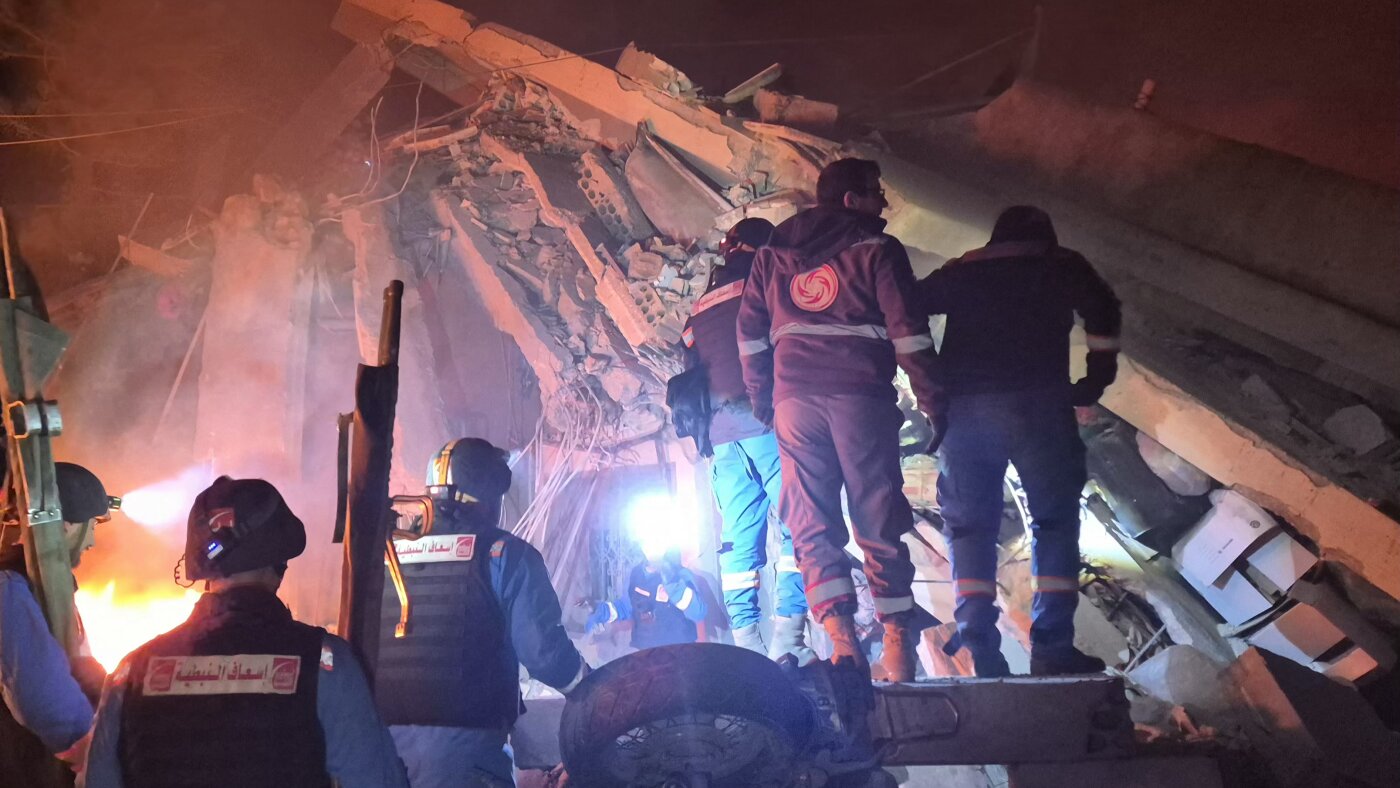
The recent decrease in the intensity of attacks between Israel and Hezbollah offers a potential opportunity for de-escalation. However, a just and lasting peace requires more than simply silencing the guns; it demands a commitment to addressing the underlying inequalities and historical grievances that fuel the conflict. The focus must shift to protecting the rights and well-being of all civilians, particularly those most vulnerable to the violence.
The decades-long conflict between Israel and Hezbollah is rooted in complex historical, political, and economic factors. The ongoing occupation of Palestinian territories, the blockade of Gaza, and the legacy of colonialism have all contributed to a climate of instability and resentment. These systemic issues must be addressed if there is to be any hope of achieving a sustainable peace.
While discussions of potential ceasefire talks are welcome, it is crucial to ensure that these talks are inclusive and representative of all stakeholders, including civil society organizations, human rights groups, and community leaders. Any agreement must prioritize the needs of the most marginalized and ensure accountability for human rights violations.
The international community has a responsibility to support efforts to promote peace and justice in the region. This includes providing humanitarian assistance to those affected by the conflict, advocating for an end to the occupation, and holding all parties accountable for their actions. It also means challenging the prevailing narratives that perpetuate the conflict and promoting a more nuanced understanding of the historical context.
The economic consequences of the conflict are particularly devastating for vulnerable communities in both Israel and Lebanon. The ongoing violence disrupts trade, destroys infrastructure, and exacerbates existing inequalities. Efforts to rebuild and revitalize the economy must prioritize the needs of working people and ensure that they have access to decent jobs and essential services.
The disproportionate impact of the conflict on women and children must also be addressed. Women are often the primary caregivers in conflict zones, and they face increased risks of violence, displacement, and poverty. Children are particularly vulnerable to the psychological trauma of war, and they may be deprived of education, healthcare, and other essential services.