Trump Accuses Iran as Ceasefire Falters, Leaving Region in Peril
Trump's accusations against Iran over the Strait of Hormuz obscure the human cost of ongoing violence and the destabilizing impact of unchecked military actions.
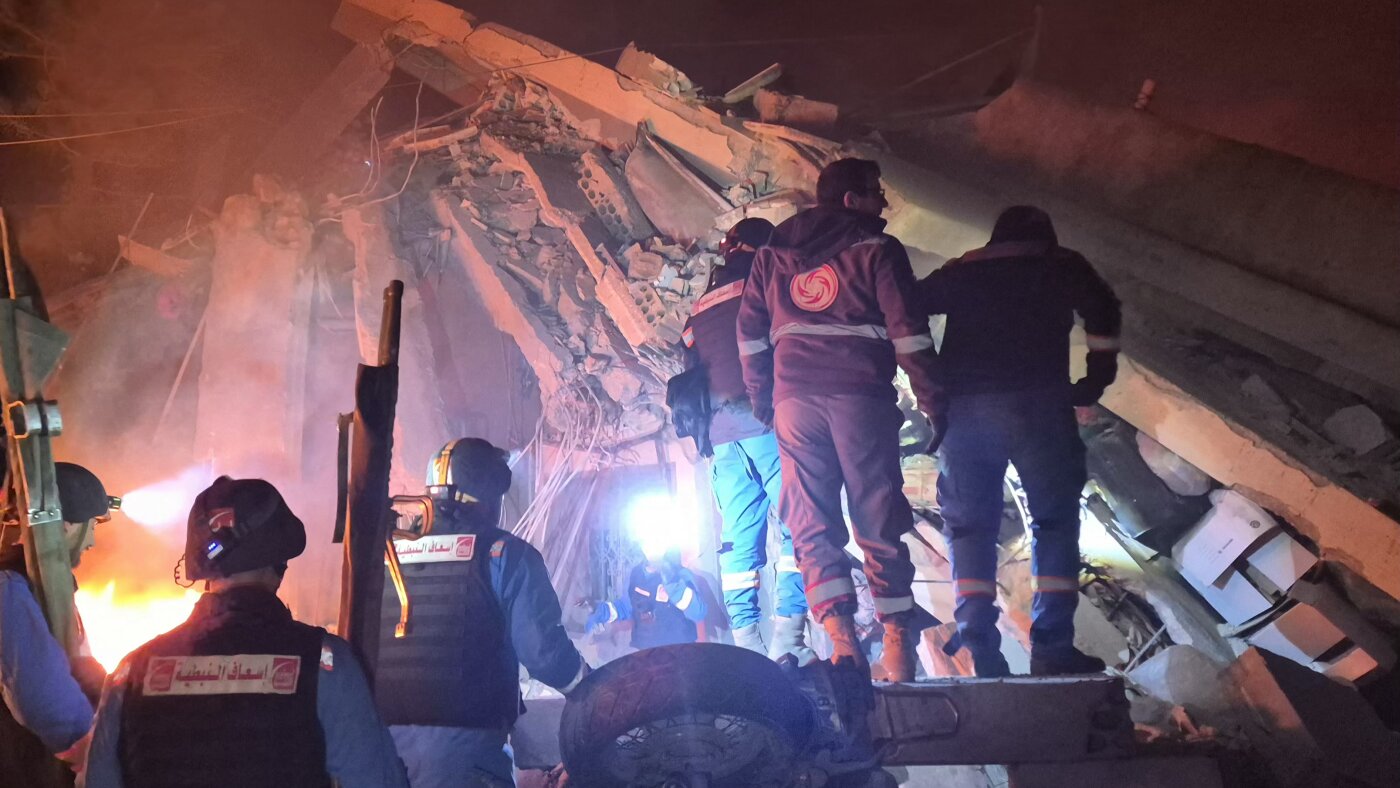
WASHINGTON — President Trump's recent accusations against Iran regarding the Strait of Hormuz ceasefire agreement deflect from the broader humanitarian crisis unfolding in the region. Trump claimed on Truth Social that Iran is "doing a very poor job" in reopening the strait, a key condition of the U.S.-brokered ceasefire following 40 days of bombing. However, this statement ignores the complex reality on the ground, including the devastating consequences of Israeli airstrikes and the suffering of civilian populations.
The ceasefire, intended to end hostilities between the United States, Iran, and Israel, has been fragile from the outset. Iranian officials cited a massive Israeli air assault on Beirut, which killed over 300 people, as justification for closing the strait, arguing that the attack violated the terms of the deal. These actions, while condemned, must be viewed within the context of escalating violence and the disproportionate impact on vulnerable communities.
According to Hormuzstraitmonitor.com, a maritime data aggregation site, only 7% of normal traffic has been restored through the strait, highlighting the persistent disruptions and the potential for economic hardship. However, this disruption pales in comparison to the human cost of the conflict, including displacement, loss of life, and the long-term trauma inflicted on civilians.
The continued Israeli strikes on southern Lebanon and attacks by Iran-backed Hezbollah further undermine the ceasefire. The focus on the Strait of Hormuz risks overshadowing the urgent need for humanitarian aid, conflict resolution, and a commitment to protecting civilian lives. The drone attacks against Kuwait's "vital facilities," attributed by Kuwait to Iran and its proxies, further escalate tensions and contribute to a climate of fear and instability.
High-level talks between the U.S. and Iran are slated to begin Saturday in Islamabad, Pakistan, mediated by Pakistani Prime Minister Shehbaz Sharif. These talks must prioritize de-escalation, humanitarian access, and a commitment to addressing the root causes of the conflict. The U.S. delegation, led by Vice President Vance, must prioritize diplomacy and a comprehensive approach to resolving the crisis.
The disruption of maritime traffic, as highlighted by Lloyds List, which reports over 600 vessels stranded in the Middle East Gulf region, has economic implications. However, these concerns should not overshadow the urgent need to address the human suffering caused by the conflict. The focus must shift from geopolitical maneuvering to the protection of civilians and the promotion of long-term stability in the region.
Iran's reported warnings to ships attempting to transit the strait without permission underscore the need for a negotiated resolution that respects international law and ensures the safety of maritime traffic. However, these actions should be viewed within the context of a region plagued by conflict, foreign intervention, and a history of injustice. A lasting solution requires a commitment to addressing these underlying issues and promoting a more equitable and just world order.
The situation demands a comprehensive approach that prioritizes human rights, diplomacy, and a commitment to addressing the root causes of conflict. The focus on the Strait of Hormuz risks obscuring the broader humanitarian crisis and the urgent need for a just and lasting peace.