Remote Island's Hantavirus Scare Exposes Healthcare Inequality: British Military Deployed
The emergency deployment of British paratroopers to Tristan da Cunha reveals the stark disparities in healthcare access for residents of isolated territories and the reliance on military intervention for basic needs.
The deployment of British paratroopers to Tristan da Cunha, a remote British overseas territory, to aid a resident suspected of hantavirus infection, throws into sharp relief the profound inequalities in healthcare access faced by communities in isolated regions. While residents of wealthier nations take rapid medical response for granted, the 221 inhabitants of Tristan da Cunha depend on infrequent boat journeys and, in emergencies, the intervention of military forces. This situation underscores the urgent need for systemic changes to ensure equitable healthcare provision, regardless of geographic location.
The reliance on a military parachute operation highlights the failure of civilian infrastructure to adequately support the health needs of this community. The lack of regular, reliable transportation and sufficient on-island medical facilities necessitates extraordinary measures when health crises arise. The resident's suspected infection following disembarkation from the cruise ship MV Hondius raises questions about the health screening protocols in place and the potential risks posed by tourism to vulnerable communities.
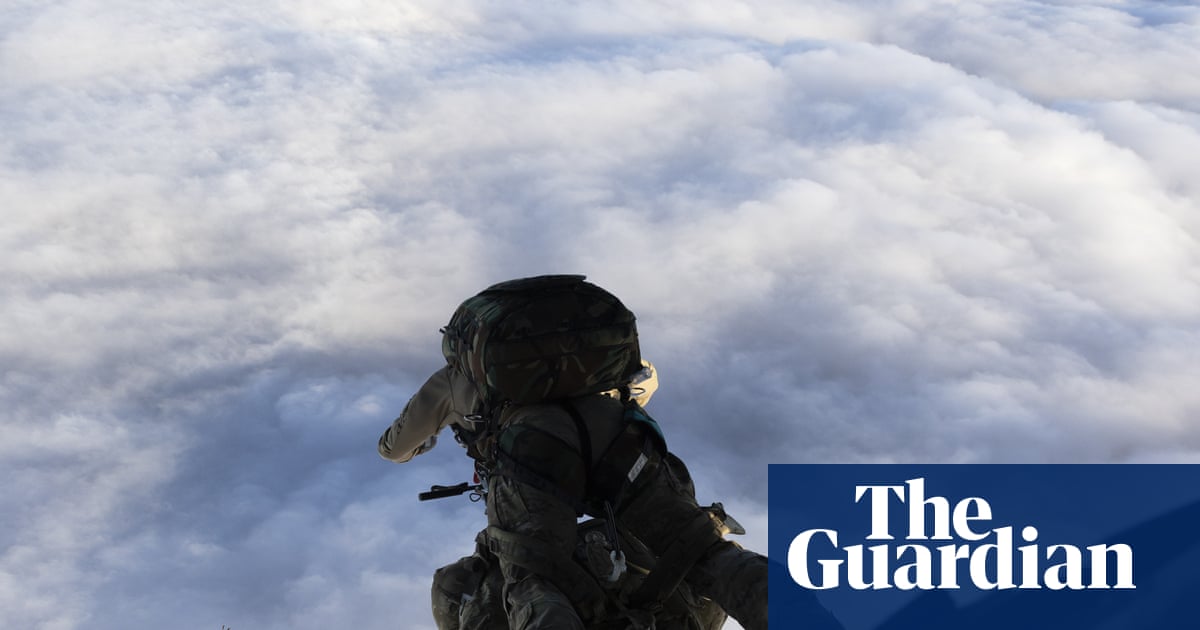
The operation involved six paratroopers from the 16 Air Assault Brigade and two medics, who parachuted from an RAF transport aircraft. Captain George Lacey, leading the squad, described the challenging descent. The team's journey from Brize Norton to Ascension Island, and then to Tristan da Cunha, speaks to the logistical complexities of reaching this remote outpost.
The fact that a doctor, reportedly a first-time jumper, was strapped to a paratrooper, underscores the desperation of the situation and the potential risks undertaken to provide care. While the paratroopers are experienced, the lack of specialized training for medical personnel in airborne operations raises concerns about their safety and effectiveness. This emergency response is a band-aid solution to a systemic problem: the chronic underfunding and neglect of healthcare infrastructure in British overseas territories.
The historical context of colonialism and the legacy of unequal resource distribution must be considered when evaluating this situation. Tristan da Cunha, like many other remote territories, has been historically marginalized, resulting in limited access to essential services, including healthcare. The British government has a moral obligation to address these historical injustices and invest in sustainable solutions that empower communities to manage their own health needs.